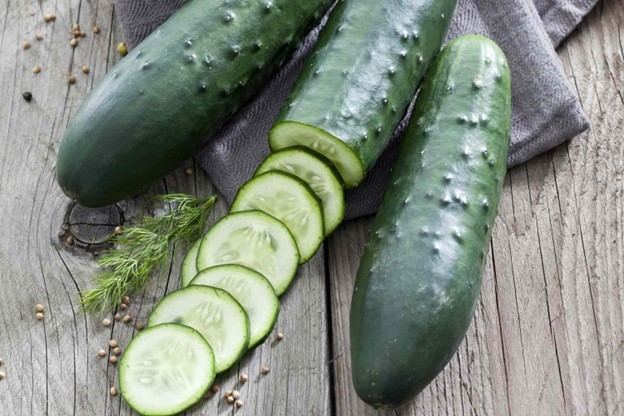
Cucumbers are one of the most refreshing and widely consumed vegetables in the world. Known for their crisp texture and high water content, cucumbers are commonly added to salads, sandwiches, infused water, and healthy snacks. While they may seem simple, cucumbers contain a surprising variety of nutrients and plant compounds that may support overall wellness when included as part of a balanced diet.
Because cucumbers are low in calories and naturally hydrating, many people consider them a healthy food choice for weight management and daily nutrition. Researchers and nutrition experts have also explored how regular cucumber consumption may support digestion, hydration, skin health, circulation, and metabolic balance.
At the same time, cucumbers are not a miracle food, and their benefits depend heavily on overall lifestyle habits and dietary patterns.
Understanding what regular cucumber consumption may mean for the body can help people make more informed choices about healthy eating.

What Are Cucumbers?
Cucumbers belong to the gourd family, which also includes:
- Melons
- Squash
- Pumpkins
Technically classified as fruits because they contain seeds, cucumbers are commonly treated as vegetables in cooking.
They are composed of approximately:
This extremely high water content is one reason cucumbers are strongly associated with hydration and cooling effects.
Cucumbers Are Low in Calories
One of the main reasons cucumbers are popular in healthy diets is their low calorie density.
They provide:
- Volume
- Crunch
- Hydration
without adding many calories.
This makes cucumbers a common choice for:
- Weight management
- Healthy snacking
- Light meals
Replacing highly processed snacks with fresh vegetables like cucumbers may help support healthier eating habits.
1. May Help Support Hydration
Because cucumbers contain so much water, they may contribute to daily fluid intake.
Hydration is important for:
- Circulation
- Digestion
- Temperature regulation
- Joint function
- Skin health
Many people do not drink enough water consistently throughout the day.
Water-rich foods such as cucumbers may help support overall hydration levels.
Why Hydration Matters
Proper hydration supports nearly every system in the body.
Dehydration may contribute to:
- Fatigue
- Headaches
- Poor concentration
- Dry skin
- Constipation
Although cucumbers cannot replace water entirely, they may help complement healthy hydration habits.
2. May Support Digestive Health
Cucumbers contain fiber, especially when eaten with the skin.
Fiber helps:
- Promote regular bowel movements
- Support gut bacteria
- Improve digestion
- Increase fullness
The combination of water and fiber may support healthy digestive function.
Some people find that fresh vegetables help reduce feelings of heaviness associated with highly processed meals.
3. May Help Support Healthy Weight Management
Foods with high water content and low calorie density may help people feel fuller while consuming fewer calories.
Cucumbers are often included in:
- Weight-loss diets
- Balanced meal plans
- Healthy snacks
Their crunchy texture may also help satisfy cravings for salty processed snacks.
However, sustainable weight management depends on overall eating patterns and lifestyle habits rather than one single food.
4. Contain Antioxidants
Cucumbers contain several antioxidant compounds, including:
- Flavonoids
- Tannins
- Beta-carotene
- Vitamin C
Antioxidants help neutralize unstable molecules called free radicals.
Excess oxidative stress may contribute to:
- Inflammation
- Aging
- Cellular damage
Colorful fruits and vegetables are often recommended because of their antioxidant content.
5. May Support Skin Health
Cucumbers are commonly associated with skincare and cooling effects.
Their high water content may help support:
- Skin hydration
- Skin freshness
- Cooling sensation
Cucumber slices are often placed around the eyes to temporarily reduce puffiness and irritation.
While cucumbers alone cannot dramatically transform skin health, proper hydration and nutrient-rich foods may support healthy skin over time.

6. May Support Heart Health
Cucumbers contain potassium, an important mineral involved in:
- Blood pressure regulation
- Muscle function
- Nerve signaling
Potassium helps balance sodium levels inside the body.
Diets rich in vegetables and fruits are often associated with better cardiovascular health.
Cucumbers may contribute as part of an overall heart-friendly diet.
7. May Help Reduce Excess Sodium Intake
Replacing salty processed snacks with fresh vegetables may help reduce excessive sodium consumption.
Too much sodium may contribute to:
- High blood pressure
- Fluid retention
- Cardiovascular strain
Fresh cucumbers naturally contain very little sodium unless heavily salted or pickled.
8. May Help Support Blood Sugar Balance
Cucumbers are low in carbohydrates and have a relatively low glycemic impact.
Some people with blood sugar concerns include cucumbers in meals because they:
- Add volume
- Contain fiber
- Provide hydration
However, blood sugar management depends on the overall diet and medical guidance.
Pickles vs Fresh Cucumbers
Pickles are made from cucumbers, but their nutritional effects may differ significantly.
Many pickled products contain:
- High sodium
- Added sugar
- Preservatives
Fresh cucumbers generally provide:
- More hydration
- Lower sodium
- Fewer additives
Moderation is important when consuming heavily salted pickled foods.
Cucumber Seeds and Nutrients
Cucumber seeds contain small amounts of:
- Fiber
- Healthy fats
- Nutrients
Unless someone has digestive sensitivity, the seeds are generally safe to eat.
Whole cucumbers usually provide the most nutritional value.
The Importance of Eating the Skin
Many nutrients and fiber are concentrated in cucumber skin.
Washing cucumbers thoroughly before eating may help reduce surface contaminants.
Organic or properly cleaned cucumbers may allow people to safely consume the peel and maximize fiber intake.
Cucumbers and Cooling Effects
In many traditional dietary systems, cucumbers are considered cooling foods.
People often consume them during:
- Hot weather
- Summer months
- After exercise
Their water content contributes to their refreshing effect.
Possible Downsides of Excessive Cucumber Consumption
Although cucumbers are healthy for most people, excessive intake may occasionally cause:
- Bloating
- Digestive discomfort
- Frequent urination due to high water content
Some individuals may also be sensitive to certain compounds in cucumbers.
Moderation remains important even with healthy foods.
Cucumbers and Kidney Health
Because cucumbers contain water and potassium, they may support hydration for many people.
However, individuals with severe kidney disease may need to monitor potassium intake depending on medical advice.
Dietary needs vary greatly between individuals.
Easy Ways to Add Cucumbers to the Diet
Cucumbers are highly versatile.
People commonly enjoy them:
- In salads
- With yogurt dips
- In sandwiches
- In infused water
- As raw snacks
Pairing cucumbers with protein or healthy fats may create more balanced meals.
The Importance of Overall Diet Quality
No single vegetable determines health outcomes.
Experts consistently emphasize the importance of:
- Variety
- Balanced nutrition
- Whole foods
- Long-term habits
Cucumbers may support wellness as part of a broader healthy lifestyle.
Healthy Lifestyle Habits Matter Most
Overall health depends on many factors, including:
- Physical activity
- Sleep
- Stress management
- Hydration
- Balanced nutrition
Fresh vegetables such as cucumbers may contribute to healthier dietary patterns over time.
Final Thoughts
Regular cucumber consumption may support hydration, digestion, heart health, weight management, and overall wellness thanks to the vegetable’s high water content, fiber, antioxidants, and low calorie density.
While cucumbers are not a miracle cure, they can be a refreshing and nutritious addition to balanced meals and healthy eating habits.
Like many healthy foods, cucumbers work best when combined with an overall lifestyle focused on moderation, variety, hydration, physical activity, and long-term wellness habits.