After Losing a Loved One: Four Belongings Some Traditions Recommend Preserving
Losing someone you love is one of life's most difficult experiences. In the days and weeks that follow, families are often faced with practical decisions regarding the person's belongings. While some items may eventually be donated, shared among relatives, or put away, many cultures and traditions around the world encourage preserving certain meaningful possessions.
These cherished belongings are not valued for their monetary worth but for the memories, connections, and comfort they provide during the grieving process. Although customs vary from one family and culture to another, here are four types of belongings that many traditions recommend preserving after the loss of a loved one.
1. Photographs and Family Albums
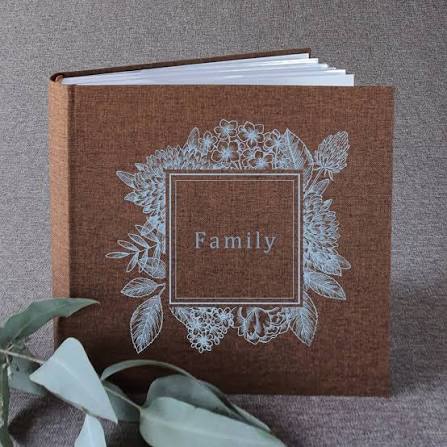
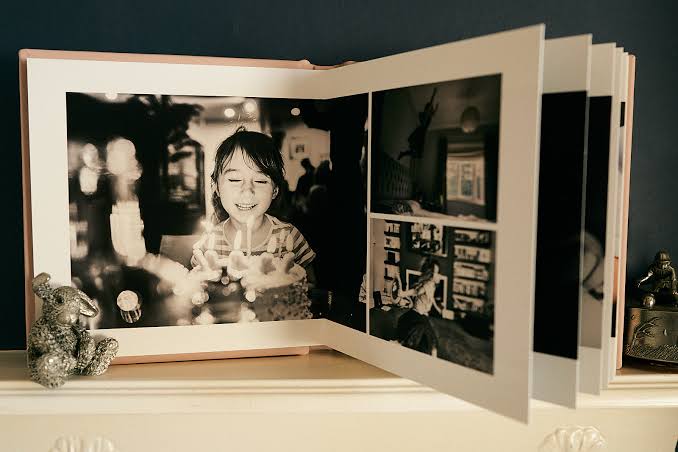
Photographs are often among the most treasured possessions left behind. A single image can bring back countless memories—a smile, a special occasion, a family gathering, or a moment that might otherwise fade with time.
Many traditions encourage keeping family photographs because they help preserve the story of a person's life. Looking through old albums can provide comfort during periods of grief and help younger generations learn about family history.
Today, many people choose to digitize photographs to protect them from damage while still keeping the originals in a safe place. Whether displayed in a frame or stored in an album, photographs often become a lasting bridge between past and present.
2. Handwritten Letters, Notes, and Personal Messages
In an age dominated by digital communication, handwritten notes have become even more meaningful. A birthday card, a letter, a recipe written by hand, or even a simple note left on the kitchen table can hold deep emotional value.
Many people find comfort in seeing a loved one's handwriting. It can feel personal and intimate in a way that typed messages sometimes cannot replicate.
Some traditions view these written items as lasting expressions of a person's thoughts, personality, and affection. Rather than discarding them, families often preserve them in memory boxes, scrapbooks, or special keepsake collections.
Years later, these simple pieces of paper may become some of the most treasured reminders of the person who wrote them.
3. Jewelry or Meaningful Personal Items
Items that were worn or carried regularly by a loved one often hold special significance. This could include a wedding ring, a favorite watch, a necklace, a bracelet, a pair of glasses, or another personal belonging closely associated with the individual.
Across many cultures, such possessions are passed down through generations as family heirlooms. They become symbols of remembrance and continuity, connecting family members across time.
For some people, wearing or displaying a meaningful item can provide a sense of closeness and comfort. It serves as a gentle reminder that while a loved one may no longer be physically present, their influence and memory continue to live on.
The emotional value of these objects often far exceeds their financial worth.
4. Family Heirlooms and Sentimental Keepsakes
Many families possess items that carry stories spanning multiple generations. These may include family Bibles, recipe books, military medals, handcrafted objects, cultural artifacts, traditional clothing, or treasured keepsakes that have been passed down over time.
When a loved one passes away, preserving these heirlooms helps maintain a connection to family history and cultural heritage.
These objects often represent more than a single person—they embody shared memories, traditions, and values. Passing them to younger generations can help ensure that important family stories are not forgotten.
Even small keepsakes can hold tremendous meaning when they remind us of the experiences, lessons, and love shared within a family.
Why Preserving Meaningful Belongings Matters
Grief affects everyone differently. Some people find comfort in keeping reminders of their loved ones close, while others prefer a more minimalist approach. There is no universally correct way to navigate loss.
However, preserving a few meaningful belongings can provide emotional support during difficult times. These items often help people feel connected to cherished memories and serve as tangible reminders of relationships that shaped their lives.
Psychologists note that maintaining healthy connections to memories of loved ones can be an important part of the healing process. Rather than preventing people from moving forward, meaningful keepsakes can help them honor the past while continuing to live fully in the present.
A Personal Decision
Ultimately, deciding which belongings to keep is a deeply personal choice. What feels important to one family may not hold the same significance for another.
The most valuable items are often not the most expensive ones. Instead, they are the objects that evoke memories, tell stories, and remind us of the love we shared with those who are no longer with us.
As time passes, these preserved belongings can become treasured sources of comfort, helping future generations remember the people who came before them and the impact they had on the lives they touched.
While possessions cannot replace a loved one, they can help keep their memory alive—offering a lasting connection that endures long after they are gone.