What the Color of Your Urine Is Trying to Tell You (And Why You Shouldn’t Ignore It)
Most people don’t pay much attention to their urine before flushing it away. But surprisingly, its color can reveal a lot about what’s happening inside your body—from hydration levels to potential health problems.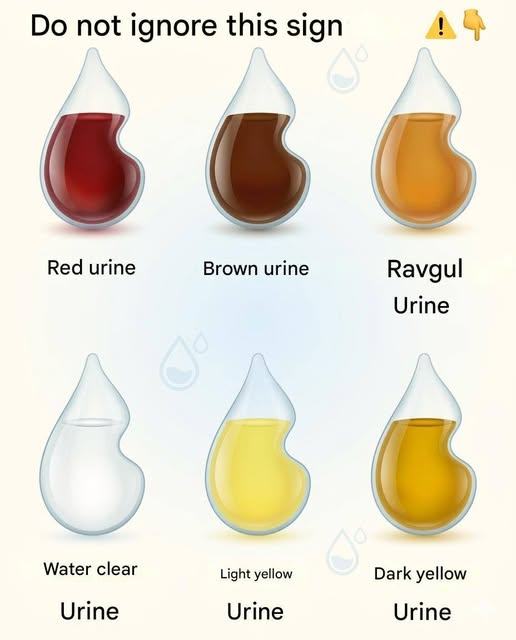
Urine is mainly made up of water and waste filtered by your kidneys. Its normal color typically ranges from pale yellow to light amber, depending on how hydrated you are.
However, when the color changes noticeably, your body might be sending a signal.
Clear or Transparent
If your urine looks almost like water, it usually means you’re drinking a lot of fluids. While staying hydrated is good, consistently clear urine could indicate overhydration, which may dilute essential electrolytes in your body.
Light Yellow to Pale Straw
This is considered the ideal range. It suggests that your body is well-hydrated and functioning normally. The yellow color comes from a pigment called urochrome, produced during the breakdown of red blood cells.
Dark Yellow or Amber
Darker shades usually signal dehydration. When your body lacks fluids, urine becomes more concentrated, resulting in a deeper color.
In most cases, simply drinking more water will return it to normal.
Brown or Tea-Colored
This is a warning sign you shouldn’t ignore. Severe dehydration can cause this color, but it may also indicate liver-related issues or other underlying conditions.
If the color doesn’t improve after rehydrating, medical attention is recommended.
Pink or Red
Sometimes, the explanation is harmless—foods like beets or berries can temporarily change urine color.
But if you haven’t eaten anything unusual, this could indicate blood in the urine, which may be linked to infections, kidney stones, or more serious conditions.
Orange
Orange urine may result from dehydration, certain medications, or issues related to the liver or bile ducts.
If it persists, it’s best to consult a healthcare professional.
Blue or Green
These colors are rare and often caused by food dyes or medications. In some cases, they may be linked to infections or rare genetic conditions.
Persistent changes should be checked by a doctor.
Cloudy or Foamy
Cloudy urine may suggest a urinary tract infection or kidney stones.
Foamy urine, on the other hand, can sometimes indicate excess protein or kidney issues—especially if it happens frequently.
Final Thoughts
Your urine might seem like a minor detail, but it can act as an early warning system for your health.
While temporary changes can be harmless, persistent or unusual colors should never be ignored.
Sometimes, your body speaks quietly—this is one of the ways it does.