5 Unusual Signs That Could Indicate a Heart Problem
When people think about heart problems, they often imagine obvious symptoms like chest pain. But in reality, conditions affecting the heart—such as heart disease—can sometimes show up in subtle and unexpected ways. Recognizing these early signs may help you seek medical care sooner and reduce the risk of serious complications.
Below are five lesser-known symptoms that doctors say shouldn’t be ignored.
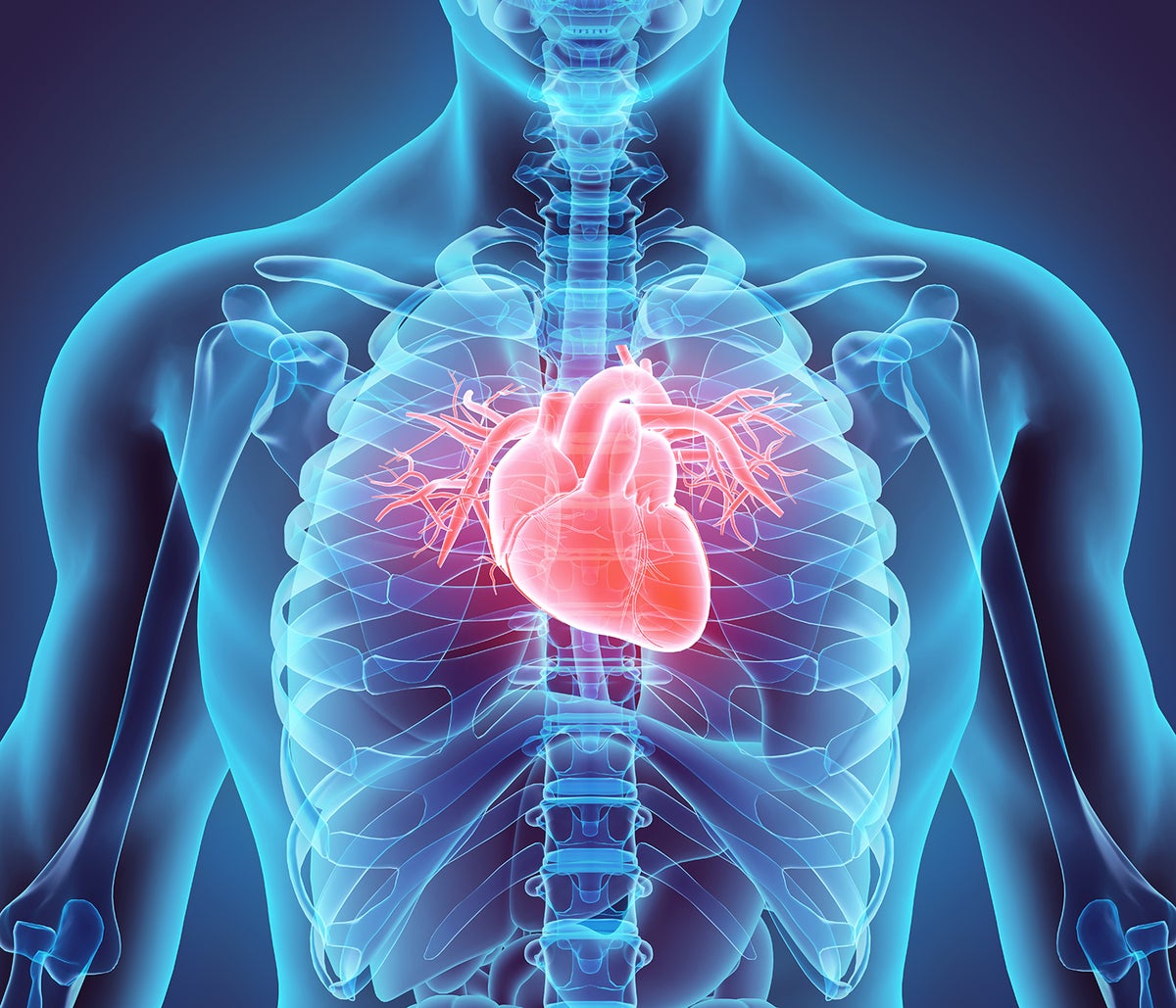
❤️ 1. Discomfort in the Jaw, Neck, or Back
Pain linked to heart issues isn’t always felt in the chest. Some people experience discomfort in the jaw, neck, shoulders, or upper back. This happens because nerves in these areas are connected to the heart.
😴 2. Unusual Fatigue
Feeling extremely tired without a clear reason—especially after mild activity—can sometimes be an early warning sign. This is more commonly reported in women and may appear days or even weeks before more serious symptoms.
😓 3. Cold Sweats
Breaking out in a sudden cold sweat, particularly when not exercising or exposed to heat, may be a sign that the heart is under stress.
🫁 4. Shortness of Breath
Difficulty breathing, even when resting or doing light activities, can indicate that the heart is not pumping blood efficiently.
🦶 5. Swelling in the Legs or Feet
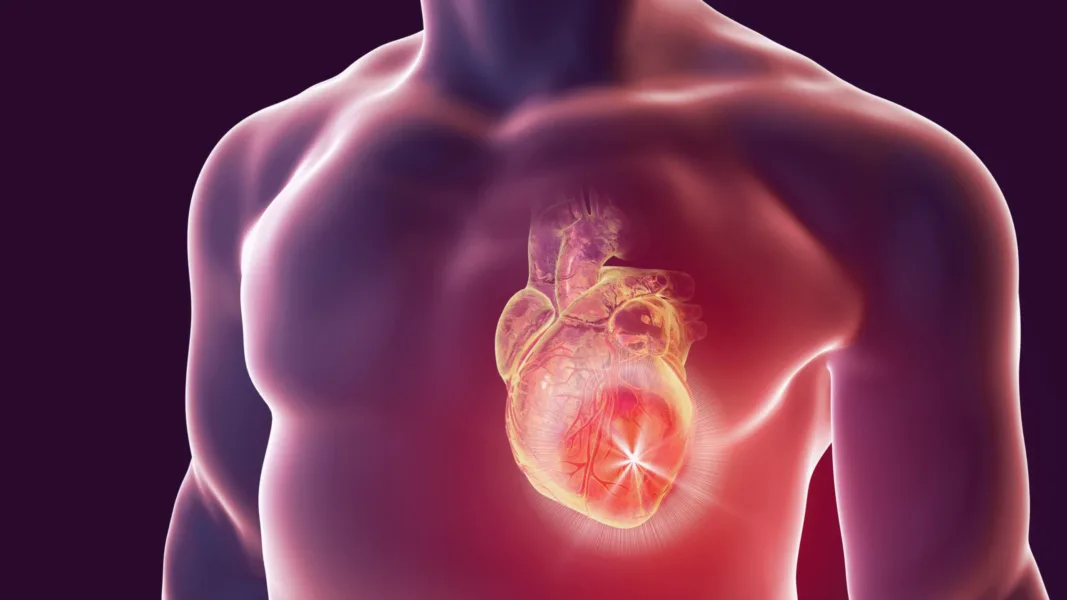
Fluid buildup in the lower limbs may suggest that blood circulation is impaired, which can be associated with heart problems.
⚠️ When to Seek Medical Help
These symptoms can be caused by many conditions—not just heart disease. However, if they appear suddenly, persist, or occur together, it’s important to seek medical attention promptly.
🧠 What Experts Say
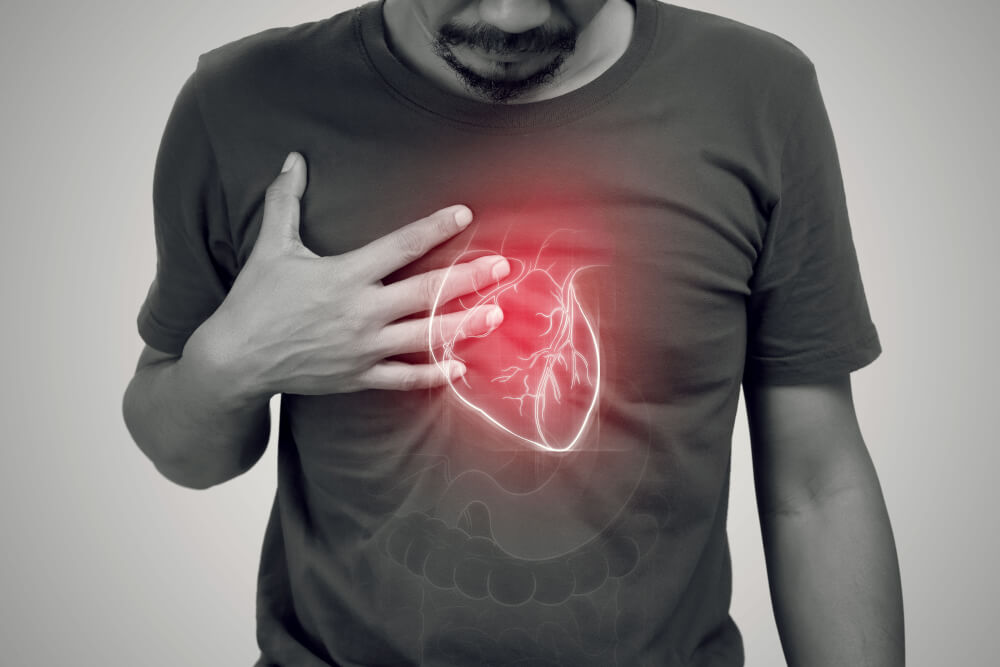
Health organizations such as the American Heart Association and the Mayo Clinic emphasize that early detection plays a crucial role in managing heart conditions effectively. They also note that symptoms can vary widely between individuals.
✅ The Bottom Line
Heart problems don’t always present themselves in obvious ways. Paying attention to unusual changes in your body—no matter how minor they seem—can make a significant difference. When in doubt, it’s always safer to consult a healthcare professional.
📚 Sources
- American Heart Association – Heart Attack Warning Signs
- Mayo Clinic – Heart Disease Symptoms and Causes
- National Heart, Lung, and Blood Institute – Cardiovascular Health