Your Body Often Gives Clues Before Health Problems Develop—Know These 10 Signs!
These 10 Symptoms May Reveal More About Your Health Than You Think… 👀👇
Health 22/07/2026 16:28
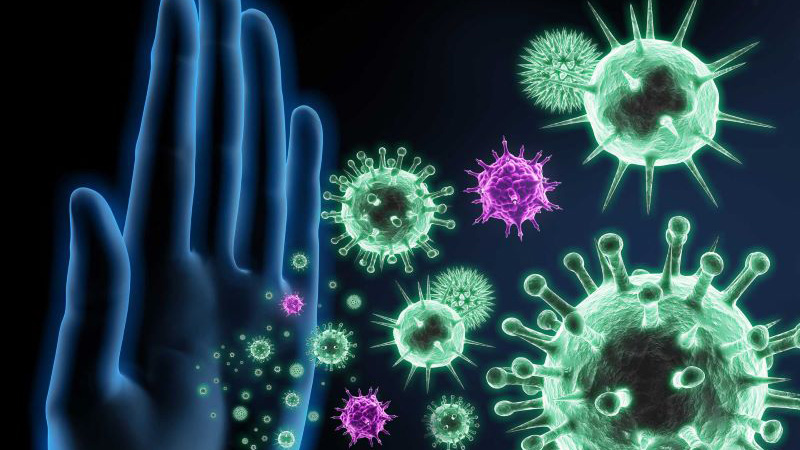
A strong immune system depends on many factors, including adequate sleep, regular exercise, stress management, and a balanced diet. While no single food can prevent illness or "boost" immunity overnight, certain nutrient-rich foods provide vitamins, minerals, antioxidants, and other compounds that help your immune system function properly.
Here are 10 foods that can help support a healthy immune system.
Citrus fruits are rich in vitamin C, an essential nutrient that supports the production and function of immune cells.
Great choices include:
Oranges
Lemons
Grapefruits
Limes
Tangerines
Enjoy fresh citrus as snacks or add them to water and salads.
Garlic contains sulfur compounds such as allicin, which have antioxidant and antimicrobial properties.
Regularly eating garlic may help support the body's natural defenses while also contributing to heart health.
Fresh garlic generally contains more active compounds than heavily processed garlic.

Ginger is known for its natural anti-inflammatory and antioxidant compounds.
It may help:
Soothe sore throats.
Reduce nausea.
Support recovery during minor respiratory illnesses.
Fresh ginger can be added to tea, soups, and stir-fries.
Plain yogurt with live and active cultures provides beneficial probiotics that help maintain a healthy gut microbiome.
Since a large portion of the immune system is associated with the digestive tract, supporting gut health may benefit immune function.
Choose plain yogurt with little or no added sugar.
Blueberries, strawberries, raspberries, and blackberries are packed with antioxidants such as anthocyanins and vitamin C.
These nutrients help protect immune cells from oxidative stress and support overall health.

Vegetables such as:
Spinach
Kale
Swiss chard
Bok choy
provide vitamins A, C, E, folate, and numerous plant compounds that support immune health.
Aim to include a variety of colorful vegetables in your meals.
Almonds, sunflower seeds, walnuts, and pumpkin seeds provide:
Vitamin E
Zinc
Healthy fats
Selenium
These nutrients play important roles in immune cell function and reducing oxidative stress.
A small handful each day is usually sufficient.
Salmon, sardines, mackerel, and trout are excellent sources of omega-3 fatty acids and vitamin D.
These nutrients help regulate immune responses and support overall health.
Experts generally recommend eating fish at least twice per week.
Certain mushrooms, including shiitake, maitake, and oyster mushrooms, contain beta-glucans and other bioactive compounds that may help support normal immune function.
They are also a good source of B vitamins and minerals.
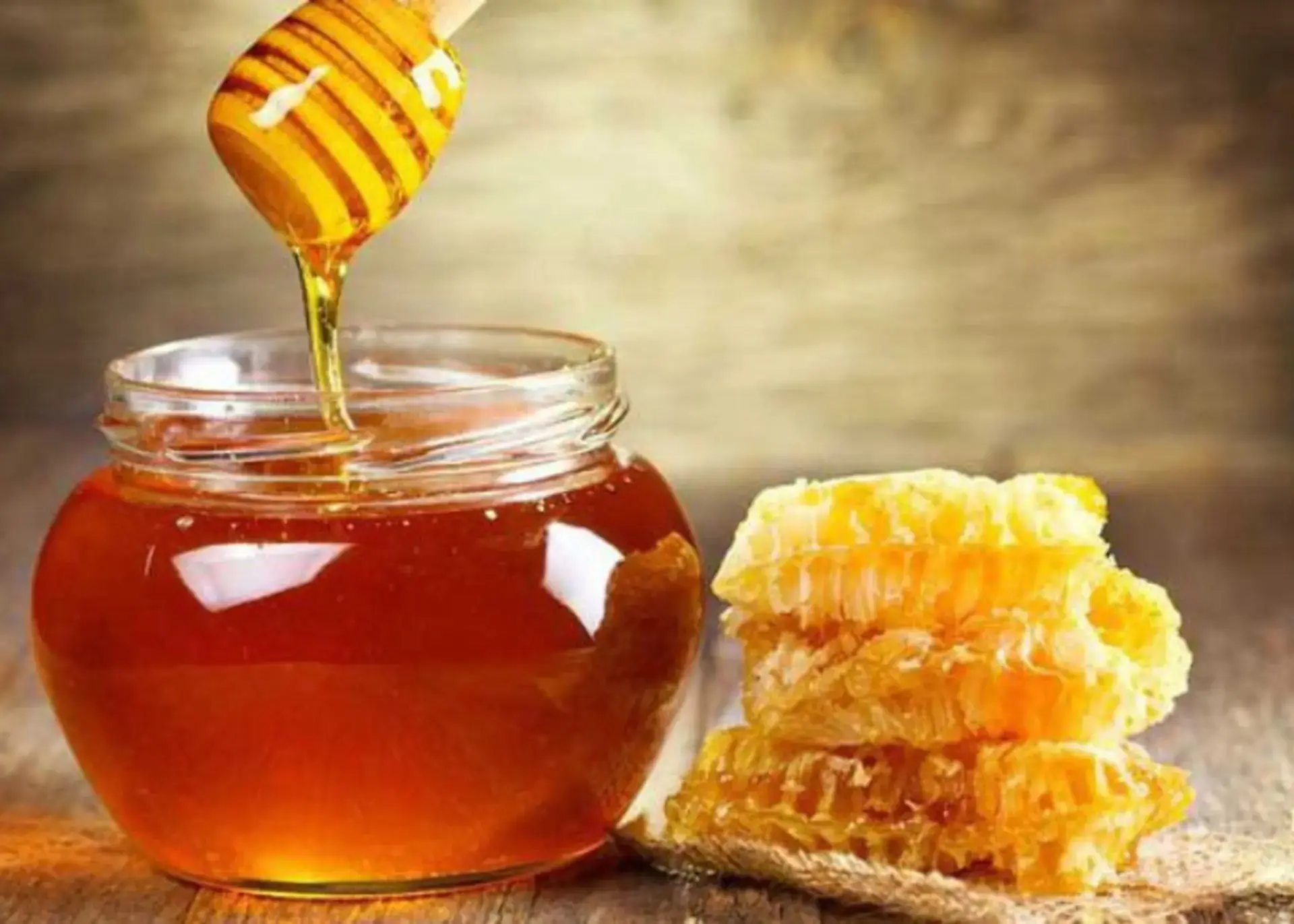
Honey contains antioxidants and has long been used to soothe sore throats and coughs.
While it should be consumed in moderation because it is high in natural sugars, replacing refined sugar with small amounts of honey may provide additional beneficial plant compounds.
Do not give honey to infants under 12 months of age.
In addition to eating a varied diet, make sure you get enough:
Vitamin D
Zinc
Selenium
Iron
Vitamin A
Vitamin B6
Vitamin B12
Folate
Deficiencies in these nutrients can impair normal immune function.
Food is only one part of the equation. To keep your immune system working well:
Sleep 7–9 hours each night.
Exercise regularly.
Stay physically active.
Drink enough water.
Avoid smoking.
Limit alcohol consumption.
Manage stress.
Stay up to date with recommended vaccinations.
No food can completely prevent infections or instantly strengthen your immune system. However, regularly eating nutrient-rich foods such as citrus fruits, garlic, ginger, yogurt, berries, leafy greens, nuts, fatty fish, mushrooms, and honey can provide the vitamins, minerals, antioxidants, and healthy fats your immune system needs to function at its best.
The most effective approach is to combine a balanced diet with healthy lifestyle habits, including adequate sleep, regular physical activity, stress management, and good hygiene.
These 10 Symptoms May Reveal More About Your Health Than You Think… 👀👇

Why Do Leg Cramps Happen at Night? Here's What Research Says

Most People Can Enjoy Cucumbers But These 4 Groups May Want to Limit Them

Cinnamon Milk: Benefits, Best Times to Enjoy It and What to Know
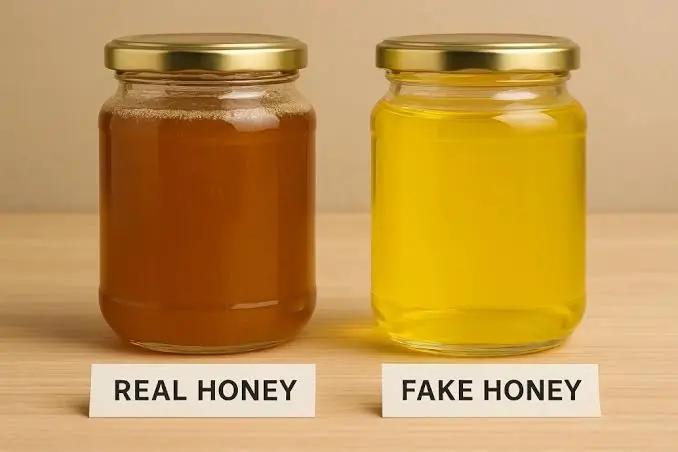
Can You Tell Real Honey From Fake in Seconds? Find Out Here! 🍯👇

When Morning Symptoms May Signal an Underlying Health Concern
Lemon, Apple, and Cinnamon Drink: What It Can and Can't Do for Your Health

5 Natural Teas That Could Be Good for Your Heart

These 8 Foods May Affect Your Bone Health More Than You Realize

What Your Body Could Be Telling You About Your Heart—Especially Sign #6! 👀👇

Airport Employees Reveal the One Thing They Wish Passengers Would Stop Doing… 👇

Your Feet May Reveal More About Your Health Than You Realize… 👣👇





These 10 Symptoms May Reveal More About Your Health Than You Think… 👀👇
Why Do Leg Cramps Happen at Night? Here's What Research Says
Most People Can Enjoy Cucumbers But These 4 Groups May Want to Limit Them
Cinnamon Milk: Benefits, Best Times to Enjoy It and What to Know
Can You Tell Real Honey From Fake in Seconds? Find Out Here! 🍯👇
When Morning Symptoms May Signal an Underlying Health Concern

Are Sprouted Potatoes Safe to Eat? Here's What Experts Say
Lemon, Apple, and Cinnamon Drink: What It Can and Can't Do for Your Health
5 Natural Teas That Could Be Good for Your Heart
These 8 Foods May Affect Your Bone Health More Than You Realize
What Your Body Could Be Telling You About Your Heart—Especially Sign #6! 👀👇
Airport Employees Reveal the One Thing They Wish Passengers Would Stop Doing… 👇

Your Feet May Reveal More About Your Health Than You Realize… 👣👇