Painting your nails can be one of the easiest ways to change up your appearance. A fresh coat of polish can make your hands look polished and put together, whether you're getting ready for a special occasion or simply enjoying a few minutes of self-care at home.
But healthy-looking nails aren't just about choosing the right color.
What you do before applying nail polish can have a major impact on the appearance and condition of your nails. Cleaning the nail surface, avoiding unnecessary damage to the cuticles, allowing moisture to evaporate, and using appropriate products can all help create a smoother manicure while reducing some common nail problems.
That doesn't mean nail polish is inherently bad for your nails. For most people, occasional nail-polish use is perfectly compatible with healthy nails. The bigger concern is often how the nails are prepared, how products are removed, and whether the nails are given a chance to recover between manicures.
Here are some practical things to know before your next manicure.
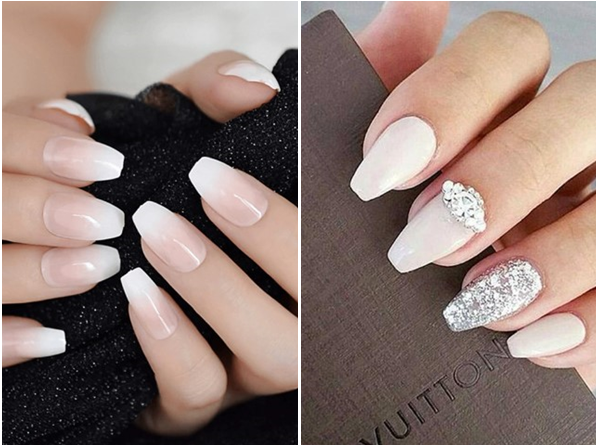
1. Start With Clean, Dry Nails
Before applying polish, make sure your nails are clean and dry.
Oil, lotion, hand cream, dust, and other residue can interfere with how polish adheres to the nail plate. If the surface isn't properly prepared, polish may chip or peel sooner.
A simple approach is to wash your hands and nails with soap and water, then dry them thoroughly.
If you've recently applied hand cream or cuticle oil, give it time to absorb or gently cleanse the nail surface before polishing.
The goal isn't to aggressively scrub the nails.
Clean and dry is enough.
2. Don't Apply Polish Over Damaged Nails Without Understanding the Cause
If your nails are peeling, splitting, unusually thin, discolored, painful, or separating from the nail bed, covering them with polish may hide a problem rather than solve it.
Nail changes can have many causes, including:
-
Repeated exposure to water
-
Trauma
-
Nail biting or picking
-
Frequent manicures
-
Fungal infections
-
Skin conditions
-
Certain medications
-
Nutritional deficiencies
-
Other medical conditions
A small cosmetic imperfection isn't necessarily concerning.
However, persistent or worsening changes should be evaluated rather than simply covered with another layer of polish.
3. Be Gentle With Your Cuticles
Cuticles have an important job.
They form a protective barrier around the area where the nail grows and help prevent microorganisms from entering the surrounding tissue.
That's why aggressive cutting or pushing of the cuticle isn't necessary for a healthy manicure.
Instead, keep the area moisturized and avoid cutting living skin.
If a salon routinely cuts large amounts of cuticle tissue, you can ask for a gentler approach.
More cutting doesn't automatically mean a better manicure.
4. Avoid Picking or Scraping the Nail Surface
One common mistake is aggressively scraping or buffing the nail plate before applying polish.
The idea is usually to create a smoother surface or improve polish adhesion.
But excessive filing or buffing can make the nail thinner.
The nail plate is made primarily of layers of keratin. Removing too much of those layers can leave the nails weaker and more vulnerable to splitting.
If your nails are already thin or fragile, aggressive buffing is particularly unnecessary.
A gentle manicure is usually a better approach.
5. Don't Soak Your Nails for Too Long Before Polishing
Traditional manicures sometimes include a long hand or nail soak.
While soaking can feel relaxing, prolonged exposure to water can temporarily cause nails to absorb moisture and expand.
As the nails later dry, they contract again.
Repeated cycles of swelling and drying may contribute to brittleness or peeling in some people.
For this reason, many modern manicure routines favor brief cleansing rather than prolonged soaking immediately before polish application.
Your nails don't need to be saturated with water to be clean.
6. Use a Base Coat
A base coat is more than just another layer of polish.
It can create a smoother surface for colored polish and may help reduce staining from strongly pigmented colors.
Dark shades—especially reds, blues, and deep purples—can sometimes leave temporary discoloration on the nail surface.
A base coat creates a barrier between the nail and the pigment.
It can also help the manicure adhere more evenly.
If you're someone who frequently wears nail polish, a base coat can be a simple addition to your routine.
7. Choose Products Carefully If You Have Sensitive Skin
Some people develop irritation or allergic reactions to ingredients found in nail products.
Symptoms can include:
-
Redness
-
Itching
-
Burning
-
Swelling
-
Rash around the fingers
-
Skin irritation elsewhere on the body
Nail-product allergies can sometimes appear on areas that aren't directly painted because the fingers transfer product to the face, eyelids, or neck.
If you repeatedly develop irritation after using nail products, don't simply switch colors and assume the problem will disappear.
Consider stopping the suspected product and discussing the reaction with a dermatologist or other healthcare professional.
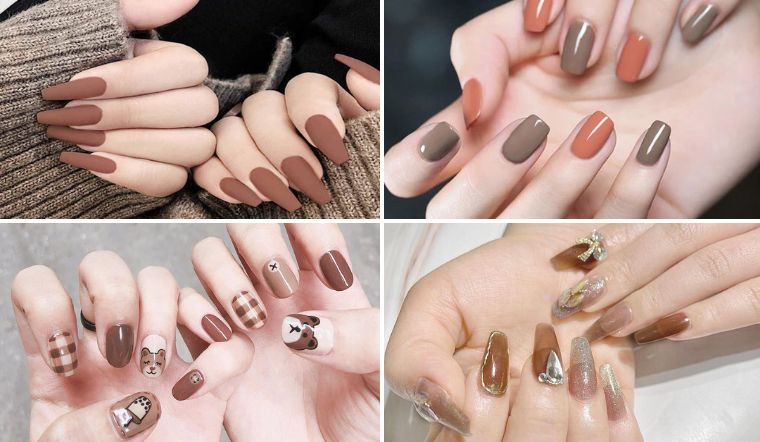
8. Give Your Nails a Break When They Need One
There's no universal rule saying everyone must go a certain number of days without nail polish.
For many healthy people, regular polish use doesn't require a mandatory "nail detox."
However, taking breaks can be useful if your nails are becoming dry, brittle, peeling, or otherwise damaged.
A break also gives you an opportunity to observe your natural nails.
If something unusual develops, you'll be able to notice it more easily without layers of polish covering the surface.
Think of it less as a "detox" and more as giving yourself a chance to assess and care for your nails.
9. Moisturize the Skin Around Your Nails
Healthy-looking nails aren't only about the nail plate.
The surrounding skin matters too.
Frequent hand washing, sanitizers, cold weather, cleaning products, and exposure to water can dry out the skin around your fingers.
A simple hand cream or cuticle moisturizer can help keep the surrounding skin comfortable.
Apply moisturizer regularly, particularly after washing your hands.
If your cuticles are dry or cracked, a small amount of cuticle oil or a thick moisturizer may be helpful.
10. Don't Use Your Nails as Tools
This habit can cause far more damage than many people realize.
Using fingernails to:
-
Open cans
-
Scrape labels
-
Pry objects
-
Peel stickers
-
Scratch surfaces
-
Open packages
can create tiny cracks or cause the nail to separate from the nail bed.
Your nails are designed to protect the fingertips—not function as miniature screwdrivers.
Using an actual tool instead can prevent unnecessary trauma.
11. Be Careful When Removing Nail Polish
Removal is often just as important as application.
Scrubbing aggressively or repeatedly scraping polish from the nail can damage the surface.
Instead, use an appropriate nail-polish remover and give it enough time to dissolve the polish.
Avoid picking at stubborn layers.
If you peel polish off forcefully, you may remove portions of the superficial nail layers along with it.
That can leave the nail rough and thin.
12. Acetone Isn't Automatically the Enemy
Acetone is extremely effective at dissolving nail polish and is widely used in nail salons and at home.
It can, however, dry the surrounding skin and nails, especially with frequent exposure.
That doesn't mean acetone must always be avoided.
The key is to use it appropriately and avoid unnecessary prolonged contact.
After removing polish, washing your hands and applying moisturizer can help restore comfort to dry skin.
For stubborn gel products, attempting to peel or scrape them away can cause more mechanical damage than carefully using the appropriate removal process.
13. Gel and Acrylic Nails Require Extra Care
Gel manicures and acrylic enhancements can provide a durable, attractive finish, but they require more maintenance than ordinary nail polish.
Potential problems can arise from:
-
Aggressive filing
-
Picking or peeling products
-
Improper removal
-
Repeated exposure to curing lamps
-
Damage to the natural nail during application
-
Products touching surrounding skin
If you regularly use gel or acrylic systems, professional application and proper removal are important.
Never forcibly peel a gel or acrylic coating from the nail.
Doing so can remove layers of the natural nail and leave it fragile.
14. Pay Attention to UV Exposure During Gel Manicures
Gel polish is typically cured using a lamp that emits ultraviolet radiation.
The exposure during a manicure is relatively brief, but repeated exposure is one reason some people choose to take precautions.
You can discuss options with your nail professional, such as using products designed to minimize exposure or wearing appropriate fingerless UV-protective gloves.
These measures aren't necessary for everyone, but they are an option for people who receive frequent gel manicures and want to reduce cumulative exposure.
15. Keep Your Nail Tools Clean
Whether you're doing your nails at home or visiting a salon, hygiene matters.
Files, clippers, cuticle tools, and other implements can come into contact with skin and nails.
Reusable tools should be properly cleaned and disinfected according to appropriate procedures.
At home, avoid sharing personal nail tools with other people.
If you visit a salon, choose one that follows appropriate sanitation practices.
Good hygiene helps reduce the risk of infections and other complications.
16. Don't Ignore Changes in Nail Color
Polish itself can temporarily stain nails, particularly when dark pigments are used repeatedly.
But persistent discoloration deserves attention.
For example, unusual yellowing, greenish discoloration, dark streaks, significant whitening, or changes affecting only one nail may have different causes.
Many nail changes are harmless, but some can indicate infection, injury, or another underlying condition.
If a change doesn't disappear or continues to progress, consider having it checked.
17. Watch for Pain, Swelling, or Separation
A healthy manicure shouldn't hurt.
If you develop persistent pain, swelling, redness, pus, or significant separation between the nail and nail bed, don't simply cover the area with polish.
These symptoms can occur with infections or injuries and may require medical treatment.
Similarly, if the nail repeatedly lifts away from the nail bed without an obvious injury, it's worth getting professional advice.
18. Your Diet Matters More Than Any Nail Polish
It's easy to focus heavily on products when trying to improve nail health.
But nails are living structures that grow from the nail matrix, and the body needs adequate nutrition to produce healthy tissue.
A balanced diet that provides sufficient:
-
Protein
-
Iron
-
Zinc
-
Vitamin B12
-
Folate
-
Vitamin C
-
Other essential nutrients
supports normal nail growth.
That doesn't mean taking a large collection of "hair, skin, and nail" supplements is necessary.
In fact, taking high doses of certain nutrients without a demonstrated deficiency can be harmful.
Food should generally be the first source of nutrition, while supplements should be used when appropriate.
19. Don't Expect Nail Strengtheners to Fix Everything
Nail-strengthening products can make nails feel harder or less flexible, but they aren't a universal solution.
If nails are repeatedly breaking because of water exposure, harsh chemicals, trauma, aggressive manicures, or an underlying health issue, simply applying a strengthening product may not address the real problem.
Think about why your nails are becoming fragile.
Sometimes changing daily habits is more useful than adding another product.
20. Know When to Let Your Nails Go Natural
There's nothing wrong with enjoying nail polish.
But if your nails are visibly damaged, sometimes the best manicure is no manicure for a while.
Keeping nails short, moisturizing the surrounding skin, avoiding trauma, and allowing damaged portions to grow out can give you time to assess their condition.
Nails grow slowly, so improvements aren't always immediate.
Fingernails generally take several months to grow out completely, meaning patience is often necessary.
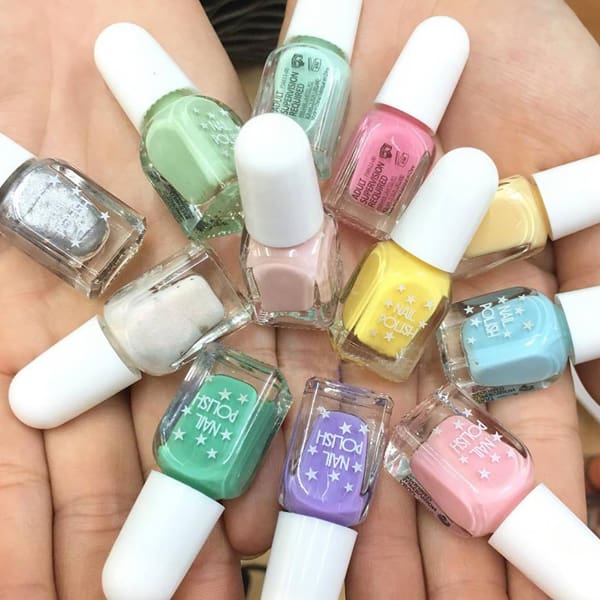
A Simple Pre-Polish Routine
You don't need an elaborate ritual before painting your nails.
A simple routine can look like this:
Step 1: Wash your hands and nails.
Step 2: Dry them thoroughly.
Step 3: Shape the nails gently with a file.
Step 4: Avoid aggressively cutting or pushing the cuticles.
Step 5: Make sure the nail surface is free from excess oil or lotion.
Step 6: Apply a suitable base coat.
Step 7: Apply thin layers of polish.
Step 8: Allow each layer to dry appropriately.
Step 9: Finish with a top coat if desired.
Step 10: Moisturize the surrounding skin once the manicure is finished and sufficiently dry.
Simple, consistent care is usually more valuable than an overly complicated routine.
The Bottom Line
Nail polish can be a fun and perfectly reasonable part of personal grooming, but healthy nails depend on more than the color you choose.
Clean and dry nails, gentle cuticle care, limited buffing, proper removal, appropriate hygiene, and regular moisturization can all help maintain the appearance and condition of your nails.
You don't necessarily need to stop wearing polish or follow a strict "nail detox." Instead, pay attention to how your nails respond to your routine.
If they become brittle, peel frequently, change color, separate from the nail bed, or develop persistent pain or swelling, take a break from cosmetic products and consider getting professional advice.
And perhaps the most important rule is simple:
Don't sacrifice nail health for a perfect manicure.
A beautiful manicure should complement healthy nails—not come at the expense of them.