What Types of Cooking Oils Are Considered Harm.ful to Health?
Canola oil, sunflower oil, corn oil, soybean oil, and others are being eliminated from many diets due to the belief that omega-6 fatty acids in these oils are toxic and cause inflammation. So, scientifically speaking, are seed oils harmful or beneficial to health?
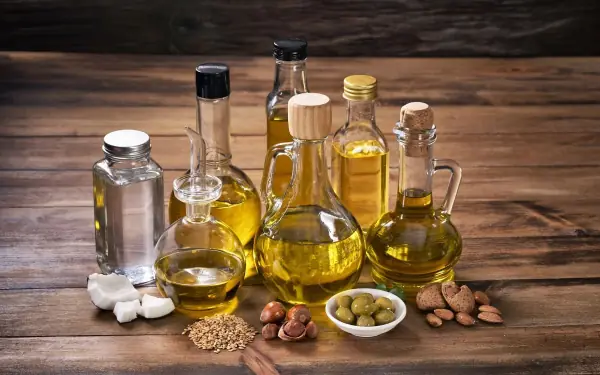
1. Why Are Seed Oils Being Avoided?
Seed oils like canola oil and sunflower oil are commonly used in processed foods such as baked goods and fried snacks. Recently, some individuals have been steering clear of these oils, claiming that omega-6 fatty acids in them are toxic, inflammation-inducing, and a major contributor to obesity.
On social media, people often label a group of “eight hated seed oils,” which includes canola oil, corn oil, soybean oil, sunflower oil, cottonseed oil, safflower oil, grapeseed oil, and rice bran oil.
Judy D. Simon, a registered dietitian at the University of Washington Medical Center, states, “Many ultra-processed foods are lower in nutrient density, but the oils themselves have been unfairly demonized by some.”
2. Are Seed Oils Beneficial for Health?
Research shows that seed oils, such as canola and sunflower oils, contain healthy polyunsaturated fats that can support cardiovascular health when consumed in moderation. Rather than eliminating seed oils entirely, the focus should be on a balanced diet with minimally processed foods and a variety of healthy fats.
Assoc. Prof. Dr. Le Bach Mai, former Deputy Director of the National Institute of Nutrition in Vietnam, recommends healthy cooking oils such as brown rice oil, soybean oil, sunflower oil, olive oil, and canola oil. These oils are rich in beneficial fats for the body. Brown rice, soybean, and sunflower oils also have high smoke points, making them suitable for frying and sautéing, while olive oil is ideal for raw dishes like salads.
Cooking oils generally contain a mix of healthy fats (polyunsaturated and monounsaturated fats) and less healthy saturated fats. Polyunsaturated fats include omega-3 and omega-6 fatty acids. Fatty fish are richer in omega-3s, while seed oils contain higher amounts of omega-6s.
U.S. dietary guidelines recommend reducing saturated fat intake and replacing it with unsaturated fats. The American Heart Association also suggests consuming unsaturated fats, such as those from seed oils, nuts, and tofu, instead of saturated or trans fats.
Simon notes, “Over the years, studies have shown that consuming polyunsaturated fats is linked to lower risks of cardiovascular disease and cancer, demonstrating their positive health benefits.”
Contrary to claims circulating on social media, research indicates that adding linoleic acid (the main omega-6 fatty acid in seed oils) to diets does not increase blood inflammation markers. In fact, linoleic acid may reduce the risk of heart disease.
Grace Derocha, a registered dietitian from Detroit and spokesperson for the Academy of Nutrition and Dietetics, emphasizes, “Concerns about omega-6 causing inflammation are often exaggerated and not strongly supported by large-scale evidence.”
Oxidation is another reason some people avoid seed oils. Heat and light can cause unsaturated fatty acids to oxidize, producing free radicals. Polyunsaturated fats, especially linoleic acid, oxidize more quickly than saturated fats.
Derocha adds, “Oxidized fats can produce potentially harmful by-products, but this risk can be minimized by using moderate cooking temperatures, avoiding prolonged high-heat frying, and storing oils properly.”
3. Are Animal Fats Better Than Seed Oils?
Seed oils, like all fats, provide 9 calories per gram, while proteins and carbohydrates supply 4 calories per gram.
Derocha explains that excessive consumption of high-calorie foods, including those containing seed oils, may lead to calorie surplus and weight gain. However, evidence does not support blaming seed oils alone. Much of the criticism stems from their use in ultra-processed, calorie-dense, nutrient-poor, and easily overconsumed foods like fried snacks, baked goods, and fast food. It is an overall poor diet, not the presence of seed oils, that contributes to weight gain.
Animal fats, such as beef tallow, are an alternative. Tallow mainly contains saturated and monounsaturated fats, with only a small amount of polyunsaturated fats.
Seed oils are lower in saturated fat. For example:
- One tablespoon of canola oil contains less than 1 gram of saturated fat.
- The same amount of sunflower oil contains 1.36 grams.
- In contrast, one tablespoon of beef tallow contains over 6 grams of saturated fat.
This means that consuming just three tablespoons of tallow would nearly reach the recommended daily limit of 20 grams of saturated fat, while the American Heart Association advises keeping saturated fat intake below 13 grams per day.
Animal fats are more heat-stable due to their higher saturated fat content, making them resistant to oxidation during frying. However, their high saturated fat levels may not align with heart health guidelines if consumed excessively over time. For those avoiding seed oils, options like olive oil, avocado oil, and peanut oil, which are higher in monounsaturated fats, are good alternatives. However, these oils tend to be more expensive than seed oils.