The thyroid is a small gland with a big role - it regulates metabolism, energy levels, temperature, and even mood. When it becomes inflamed or dysfunctional (as in conditions like Hashimoto’s thyroiditis or Graves’ disease), everyday choices - especially diet can influence how you feel.
Let’s get one thing clear first: No single food “causes” thyroid disease on its own.
But certain foods may worsen inflammation or interfere with thyroid function, particularly in sensitive individuals.
Here are the main categories to watch.

1. Highly Processed Foods
Examples:
- Fast food
- Packaged snacks
- Sugary cerealsa
Why they matter:
- High in refined sugars and unhealthy fats
- Promote systemic inflammation
Impact on thyroid:
Chronic inflammation can worsen autoimmune responses, potentially affecting thyroid health.
2. Excess Sugar
Where it hides:
- Soft drinks
- Desserts
- Sweetened beverages
Effects:
- Spikes blood sugar
- Increases inflammation
- Disrupts hormone balance
👉 This can indirectly stress the thyroid.
3. Gluten (For Some People)
Found in:
- Wheat
- Bread
- Pasta
Why it’s controversial:
For people with autoimmune thyroid conditions, especially Hashimoto’s thyroiditis:
- Gluten may trigger immune responses
- Can worsen inflammation in sensitive individuals
👉 Not everyone needs to avoid gluten—but some benefit from limiting it.
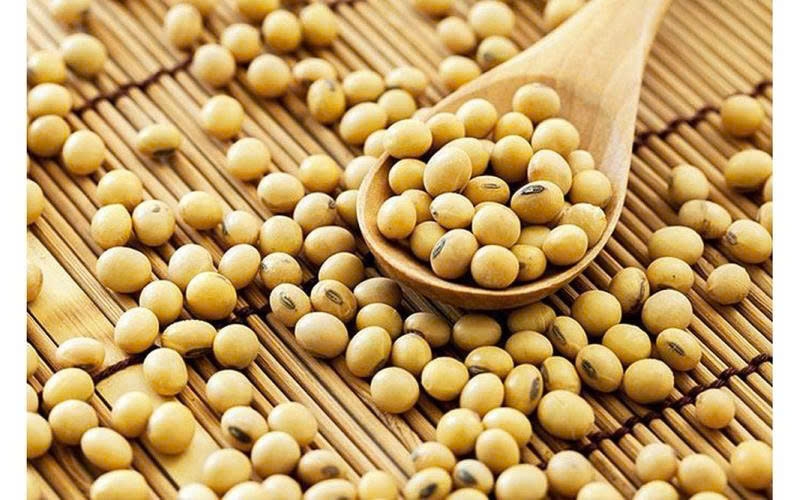
4. Soy Products (In Excess)
Examples:
- Soy milk
- Tofu
- Soy-based processed foods
Concern:
Soy contains compounds that may:
- Interfere with thyroid hormone absorption
- Affect iodine utilization
👉 Moderate intake is usually fine, but excessive consumption may be an issue.
5. Cruciferous Vegetables (When Overconsumed Raw)
Includes:
- Broccoli
- Cabbage
- Kale
- Cauliflower
Why they’re mentioned:
They contain goitrogens, which can interfere with iodine uptake.
Important nuance:
- Safe when cooked
- Only problematic in very large amounts, especially raw
👉 These vegetables are healthy—just consume them properly.
6. Excess Iodine
Sources:
- Seaweed
- Iodized salt (in large amounts)
Why it matters:
Both too little and too much iodine can disrupt thyroid function.
👉 Balance is key—not elimination.
7. Fried and Trans Fat Foods
Examples:
- Deep-fried snacks
- Processed baked goods
Effects:
- Increase inflammation
- Affect hormone signaling
8. Alcohol (In Excess)
Impact:
- Can interfere with thyroid hormone production
- Affects liver function (important for hormone conversion)
The Bigger Picture: It’s About Patterns, Not One Food
Most thyroid-related dietary issues come from:
- Chronic inflammation
- Poor metabolic health
- Imbalanced nutrient intake
👉 Not from a single meal or ingredient.
What Helps Instead
- Whole, unprocessed foods
- Balanced iodine intake
- Adequate protein
- Anti-inflammatory foods (fruits, vegetables, healthy fats)

Final Take
The question isn’t “Which foods are bad?”
It’s:
👉 Which habits are consistently stressing your body?
- Processed foods
- Excess sugar
- Poor balance
These are the real drivers behind inflammation.
Because thyroid health like most things isn’t about restriction… it’s about balance, consistency, and awareness.