When people think about protecting their bones, they usually focus on calcium-rich foods, exercise, vitamin D, and aging. But there is another part of the equation that often gets overlooked: what you drink every day.
Drinks can influence bone health in several ways. Some beverages may provide useful nutrients, while others can contribute significant amounts of added sugar, alcohol, or caffeine. In some circumstances, these factors may affect overall nutrition, body weight, or the balance of nutrients important for maintaining strong bones.
However, it's important to avoid exaggerated claims. A single drink does not cause osteoporosis. Bone health develops over years and is influenced by age, genetics, hormones, physical activity, nutrition, medications, and underlying medical conditions.
Here are five common beverages worth paying attention to if you're trying to support healthy bones throughout life.
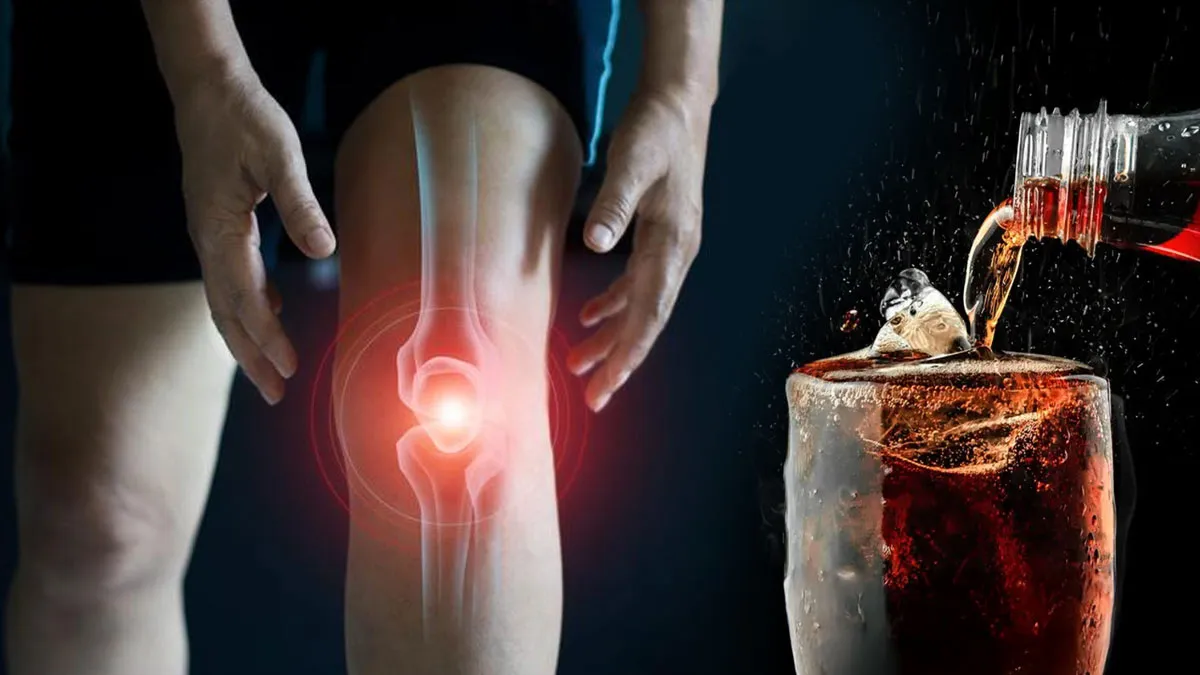
1. Alcoholic Beverages
Alcohol deserves particular attention when discussing bone health.
Drinking heavily over long periods has been associated with lower bone density and a higher risk of fractures.
Alcohol can affect bone health through several pathways, including:
-
Interfering with bone remodeling
-
Affecting calcium and vitamin D metabolism
-
Increasing the risk of falls
-
Contributing to poor overall nutrition
-
Potentially interfering with hormones involved in bone maintenance
The risk is especially concerning with chronic heavy alcohol consumption.
This doesn't mean that having an occasional drink automatically weakens your bones.
The important distinction is between occasional consumption and regular heavy drinking.
How can you reduce the risk?
If you drink alcohol, consider:
-
Keeping consumption moderate
-
Having alcohol-free days
-
Avoiding binge drinking
-
Choosing water or other nonalcoholic drinks more often
For people with osteoporosis or a high fracture risk, discussing alcohol intake with a healthcare professional can be worthwhile.
2. Sugary Soft Drinks
Soft drinks are another category worth considering.
Many regular sodas contain substantial amounts of added sugar but provide little nutritional value.
Examples include:
-
Cola
-
Lemon-lime soda
-
Sweetened fruit-flavored soda
-
Energy-style soft drinks
-
Other sugar-sweetened carbonated beverages
The main concern isn't that carbonation somehow "dissolves your bones."
That is a common misconception.
Instead, frequent consumption of sugary beverages may become a problem when they displace more nutritious drinks and foods.
For example, someone who regularly drinks several cans of soda may consume less:
-
Milk
-
Fortified plant milk
-
Water
-
Nutrient-rich beverages
A diet lacking adequate calcium, vitamin D, protein, and other nutrients can make it harder to maintain healthy bones.
Does the Carbonation Damage Bones?
This is one of the most persistent myths about soft drinks.
There is no good evidence that carbonation itself causes osteoporosis.
The concern is more complicated than simply saying:
"Carbonated drinks weaken bones."
Some observational research has examined associations between certain soft drinks and lower bone density, but these relationships can be influenced by overall diet and lifestyle.
For example, people who drink large amounts of soda may also consume fewer calcium-rich foods.
So the issue is not necessarily the bubbles.
It's the overall nutritional pattern.
3. Excessive Caffeinated Drinks
Caffeine is found in many popular beverages, including:
-
Coffee
-
Black tea
-
Green tea
-
Energy drinks
-
Cola
-
Some specialty beverages
Moderate caffeine intake is not generally considered harmful to bone health in people who consume adequate calcium and maintain a balanced diet.
However, very high caffeine intake may increase urinary calcium losses.
For most healthy adults, moderate coffee or tea consumption can fit comfortably into a nutritious diet.
The bigger concern may arise when large quantities of caffeinated beverages are consumed while calcium intake is inadequate.
A simple strategy
If you enjoy coffee or tea, you don't necessarily need to stop.
Instead:
Keep caffeine moderate and make sure your diet provides enough calcium and vitamin D.
4. Energy Drinks
Energy drinks deserve special attention because they can combine several ingredients that may affect overall health.
Depending on the product, an energy drink may contain:
-
High levels of caffeine
-
Added sugar
-
Other stimulants
-
Large amounts of calories
Regularly consuming these beverages can contribute to excessive caffeine or sugar intake.
For younger people, particularly adolescents, high caffeine consumption may be especially concerning.
Energy drinks can also interfere with sleep.
And sleep matters for overall health, including the behaviors that support strong bones, such as physical activity and healthy nutrition.
What should you choose instead?
For everyday hydration, water is generally the simplest choice.
If you need caffeine, unsweetened coffee or tea can provide caffeine without the large amounts of added sugar found in many energy drinks.
5. Highly Sweetened Coffee and Tea Drinks
Coffee and tea themselves aren't necessarily a problem for bone health.
The issue can arise when they're transformed into highly sweetened beverages.
Examples include:
-
Large flavored lattes
-
Sweetened iced coffees
-
Dessert-style coffee drinks
-
Sweetened milk teas
-
Syrup-heavy specialty beverages
Some of these drinks can contain substantial amounts of added sugar and calories.
Drinking them occasionally is different from consuming them several times a day.
If you're trying to improve your overall diet, consider:
-
Less syrup
-
Less added sugar
-
Smaller portions
-
Unsweetened coffee or tea
-
Milk or fortified plant milk without excessive added sugar
What About Milk?
Milk is often discussed in conversations about bone health for good reason.
Milk can provide:
-
Calcium
-
Protein
-
Phosphorus
-
Vitamin B12
-
Vitamin D when fortified
Calcium is essential for maintaining the structure and strength of bones.
However, milk isn't the only way to obtain calcium.
Other options include:
-
Yogurt
-
Cheese
-
Calcium-fortified plant beverages
-
Calcium-set tofu
-
Some leafy green vegetables
-
Canned fish with edible bones
If you don't consume dairy, you can still build a bone-friendly diet.

What About Plant-Based Milk?
Plant-based beverages vary significantly.
Some are fortified with calcium and vitamin D, while others may contain much less.
Examples include:
-
Soy milk
-
Almond milk
-
Oat milk
-
Pea-protein milk
-
Rice milk
When choosing a plant-based beverage, check the nutrition label for:
Calcium
Vitamin D
Protein
Added sugar
Fortified soy milk, for example, can provide a nutritional profile relatively similar to dairy milk in terms of protein and calcium.
Can Drinking More Water Help Your Bones?
Water doesn't directly "build" bone tissue, but adequate hydration is important for overall health.
Staying hydrated supports:
-
Normal circulation
-
Kidney function
-
Digestion
-
Physical performance
And physical activity is essential for maintaining strong bones.
If you're chronically dehydrated, you may feel tired and be less likely to exercise.
So while water isn't an osteoporosis treatment, it's an excellent default beverage.
Why Calcium Is So Important
Bones are living tissue.
They are constantly being broken down and rebuilt through a process called bone remodeling.
Calcium is a major mineral component of bone.
When dietary calcium intake is inadequate, the body can draw calcium from bone to maintain normal blood calcium levels.
Over many years, inadequate nutrition can contribute to reduced bone mass, particularly when combined with other risk factors.
That's why calcium-rich foods deserve attention.
Vitamin D Matters Too
Calcium doesn't work alone.
Vitamin D helps the body absorb calcium and plays an important role in bone metabolism.
Sources include:
-
Sunlight exposure
-
Fatty fish
-
Egg yolks
-
Fortified foods
-
Supplements when medically appropriate
Vitamin D requirements vary depending on age, health status, geographic location, and individual circumstances.
If you're concerned about deficiency, talk with a healthcare professional rather than taking large doses on your own.
Protein Is Also Important for Bone Health
People sometimes focus so heavily on calcium that they forget about protein.
Bone contains a protein-rich structural framework that is later mineralized with calcium and other minerals.
Adequate protein supports:
-
Bone structure
-
Muscle maintenance
-
Physical strength
This matters because stronger muscles can improve mobility and may reduce the risk of falls.
Good protein sources include:
-
Fish
-
Eggs
-
Poultry
-
Beans
-
Lentils
-
Soy foods
-
Yogurt
-
Nuts and seeds
Exercise Is One of the Best Things You Can Do for Your Bones
What you drink is only one piece of the puzzle.
Bones respond to mechanical stress.
Weight-bearing and resistance exercises can help maintain bone strength.
Examples include:
-
Walking
-
Hiking
-
Dancing
-
Stair climbing
-
Resistance training
-
Bodyweight exercises
For older adults, balance exercises can also be valuable because preventing falls is an important part of fracture prevention.
Smoking and Bone Health
Smoking is another major lifestyle factor worth addressing.
Smoking is associated with poorer bone health and an increased risk of fractures.
If you're concerned about osteoporosis, quitting smoking may be far more important than obsessing over whether you should drink one particular beverage.
Does Coffee Cause Osteoporosis?
This is an oversimplification.
Moderate coffee consumption is not generally considered a major cause of osteoporosis.
The potential concern is excessive caffeine combined with inadequate calcium intake.
If you enjoy coffee:
-
Keep portions reasonable
-
Avoid excessive added sugar
-
Ensure adequate calcium intake
-
Don't replace nutritious meals with coffee
A cup of coffee with breakfast is very different from consuming multiple high-caffeine drinks throughout the day while eating poorly.
Does Soda "Leach Calcium From Your Bones"?
This popular claim is too simplistic.
There is no strong evidence that drinking a moderate amount of carbonated soda directly strips calcium from your bones.
However, a diet dominated by sugary soft drinks may be associated with poorer nutritional quality.
The bigger question is:
What are you drinking instead of healthier choices?
If soda replaces milk, fortified plant beverages, water, or nutritious meals, the overall dietary pattern may become less favorable.
How Much Alcohol Is Too Much?
Alcohol recommendations vary by country and individual circumstances.
From a bone-health perspective, heavy drinking is the clearest concern.
If you already have osteoporosis, a history of fractures, liver disease, certain medications, or another condition affected by alcohol, your healthcare professional may recommend avoiding alcohol altogether.
If you don't drink, there's no need to start drinking for supposed health benefits.
What Should You Drink More Often?
For most people, a bone-friendly beverage pattern can be quite simple.
Water
The easiest everyday choice.
Milk
Provides calcium and protein, with vitamin D often added through fortification.
Fortified Plant Milk
Can provide calcium and vitamin D without dairy, depending on the product.
Unsweetened Tea
Provides hydration and plant compounds without large amounts of added sugar.
Moderate Coffee
Can fit into a healthy diet when caffeine intake is reasonable.
A Simple Bone-Friendly Day of Drinks
Morning
Water + coffee or tea
Breakfast
Milk or fortified plant beverage
Midday
Water
Afternoon
Unsweetened tea or water
Dinner
Water or another low-sugar beverage
Occasionally
A favorite drink in a reasonable portion
The goal isn't perfection.
It's making nutritious beverages the norm and highly sugary or alcoholic drinks the exception.
Who Should Be Especially Careful About Bone Health?
Some people have a higher risk of osteoporosis, including those who are:
-
Older adults
-
Postmenopausal women
-
Underweight
-
Physically inactive
-
Long-term smokers
-
Heavy alcohol users
-
Taking certain medications such as long-term corticosteroids
-
Living with certain endocrine or gastrointestinal conditions
-
Have a family history of osteoporosis or fractures
If you have multiple risk factors, talk with your healthcare provider about whether you need bone-density testing.
When Should You Consider a Bone Density Test?
A DXA scan can measure bone mineral density and help assess osteoporosis risk.
Whether you need one depends on factors such as:
-
Age
-
Sex
-
Menopausal status
-
Fracture history
-
Family history
-
Medications
-
Other medical conditions
If you've experienced a fracture from a relatively minor fall or injury, discuss it with your doctor.
A fracture can sometimes be the first sign of weakened bones.
5 Drinks to Keep in Perspective
Let's summarize the five categories.
1. Alcohol
Heavy long-term consumption can negatively affect bone health.
2. Sugary soft drinks
The main concerns are added sugar, poor nutritional value, and potentially displacing more nutritious choices.
3. High-caffeine beverages
Excessive caffeine may be problematic, particularly when calcium intake is low.
4. Energy drinks
Often combine high caffeine with added sugar and may be easy to overconsume.
5. Highly sweetened coffee and tea drinks
Can contribute significant added sugar and calories despite starting with a relatively healthy beverage.

The Bigger Picture: Don't Fear One Drink
It's easy to read an article like this and conclude that you need to eliminate every beverage except water.
That's unnecessary.
Bone health isn't determined by one cup of coffee or one can of soda.
What matters much more is your long-term lifestyle.
A person who occasionally drinks a soda but regularly:
-
Exercises
-
Eats calcium-rich foods
-
Gets adequate vitamin D
-
Consumes enough protein
-
Avoids smoking
-
Maintains a healthy weight
has a very different overall risk profile from someone who consumes large amounts of alcohol and sugary beverages while being physically inactive and nutritionally deficient.
The Bottom Line
What you drink can contribute to your overall bone-health picture, but beverages should be viewed in context.
The five categories worth moderating are:
Alcoholic beverages
Sugary soft drinks
Excessively caffeinated drinks
Energy drinks
Highly sweetened coffee and tea beverages
None of these automatically causes osteoporosis.
Instead, the concern is generally about frequent or excessive consumption and the overall lifestyle pattern surrounding it.
If you want to support your bones, focus on the basics:
Get enough calcium and vitamin D.
Eat adequate protein.
Exercise regularly, especially with weight-bearing and resistance activities.
Avoid smoking.
Limit heavy alcohol consumption.
Choose water and nutrient-rich beverages more often.
And remember that strong bones aren't built overnight. Bone health is something you invest in throughout your life.
Final Thoughts
Your daily beverage choices may seem insignificant, but small habits can add up over the years.
You don't need to completely eliminate coffee, tea, soda, or every occasional alcoholic drink to care for your bones. Instead, pay attention to frequency, portion size, nutritional quality, and what those drinks are replacing in your diet.
If most of your beverages are water, milk, or appropriately fortified plant beverages, and you regularly eat nutrient-rich foods and stay physically active, you're already supporting many of the foundations of healthy bones.
And if you have risk factors for osteoporosis—or you've already been diagnosed with low bone density - don't rely on dietary changes alone. Talk with your healthcare professional about appropriate screening, exercise, calcium and vitamin D intake, and whether treatment is needed.
The goal isn't to fear your favorite drinks. It's to make smarter choices more often and give your bones the nutrients and lifestyle support they need over the long term.