What You Need to Know After You’ve Received the Vaccine
Receiving a vaccine — especially for COVID-19 — is an important step in protecting your health and reducing the risk of serious illness. But getting the shot is only part of the process. Here’s what everyone should understand about what happens before, during, and after vaccination, and why it still matters even once your dose is in.
Your Body Is Building Protection
Vaccines work by teaching your immune system how to recognize and fight a virus without exposing you to the disease itself. After vaccination, your body begins the process of building immunity, which takes time. For most COVID-19 vaccines:
-
You are considered fully vaccinated two weeks after your final dose.
During this period, it’s normal not to feel fully protected yet, even if you don’t develop symptoms right away.
Immediate Monitoring After Your Shot
Once you’ve received a vaccine, healthcare staff will observe you for about 15 minutes to check for any immediate reactions. While serious allergic reactions are rare, this waiting period helps ensure your safety before you leave the clinic.
Mild Side Effects Are Normal
It’s common to feel mild or moderate symptoms shortly after vaccination — these are signs your immune system is responding. Typical reactions include:
-
Arm soreness where the shot was given
-
Mild fever or chills
-
Fatigue or body aches
-
Headache
-
Tenderness at the injection site
These side effects usually go away within a few days on their own. If symptoms persist or worsen, contact a medical professional.
Your Vaccination Record Matters
After getting vaccinated, you should receive a vaccination card that includes details about the vaccine you received, the date, and where it was administered. This card is important for:
-
Confirming your vaccination status
-
Scheduling follow-up doses if needed
-
Providing proof of vaccination for travel or employment purposes
Keep this card in a safe place and consider making a digital copy as well.
Continue Safety Practices
Even after vaccination, it’s important to maintain recommended precautions. Vaccines significantly reduce the risk of severe disease, but no vaccine is 100% effective. According to public health guidance:
-
Continue wearing masks in crowded or high-risk settings
-
Practice physical distancing when appropriate
-
Wash your hands frequently
-
Avoid crowded places where possible
You may still be able to transmit the virus after vaccination, especially before full immunity develops.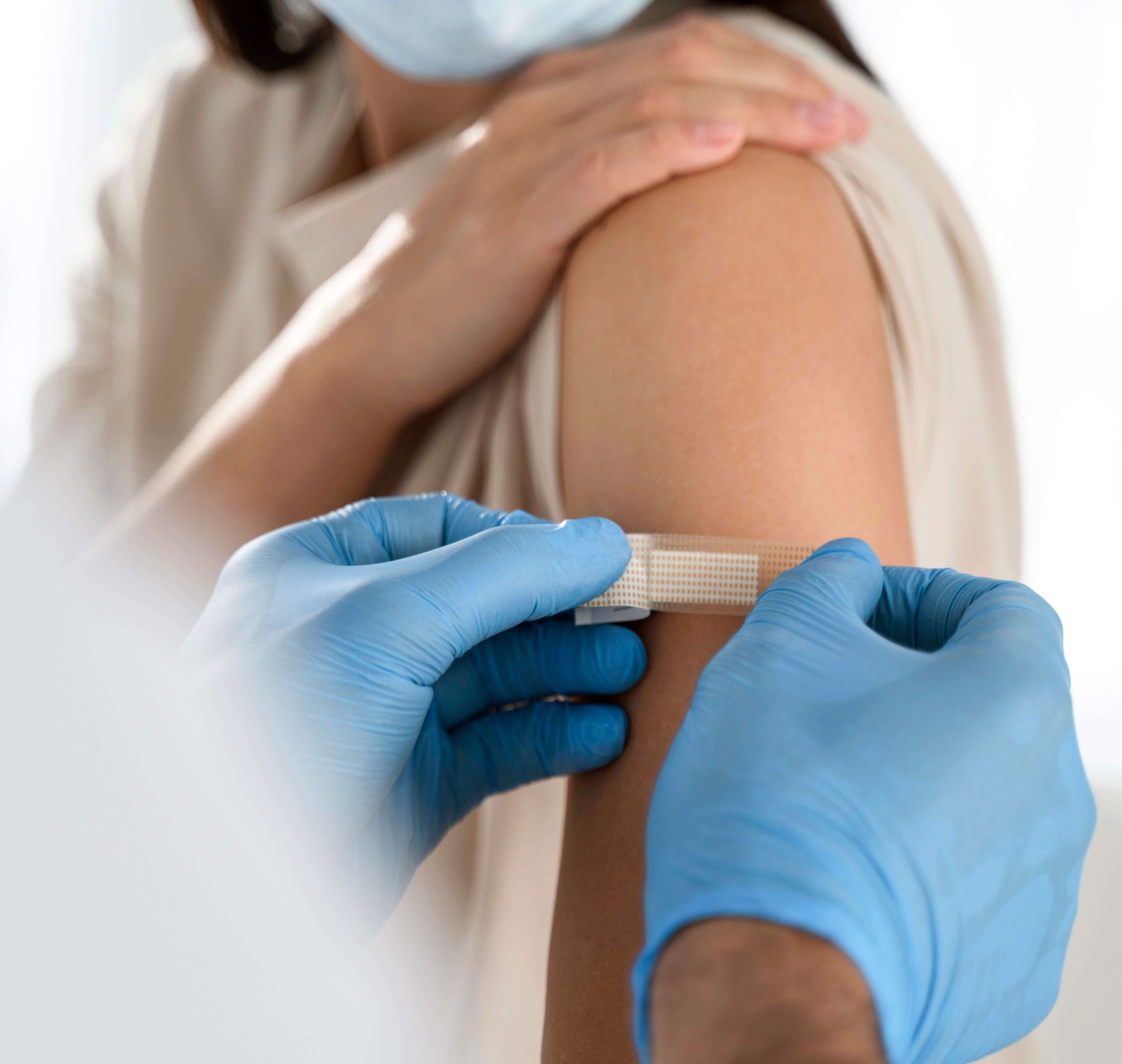
When to Seek Medical Help
If after vaccination you experience unusual or severe symptoms — such as difficulty breathing, swelling of the face or throat, or a high fever that doesn’t improve — seek medical care right away. These could indicate a rare but serious reaction.