Your Body May Be Sending Signals: 10 Potential Symptoms of Breast Cancer
Breast cancer is one of the most commonly diagnosed cancers worldwide. While not every symptom indicates cancer, recognizing potential warning signs early can play an important role in seeking timely medical evaluation and treatment.
Many people associate breast cancer only with a lump in the breast, but the disease can sometimes present in less obvious ways. Understanding the possible symptoms can help individuals become more aware of changes in their bodies and know when to consult a healthcare professional.
Here are 10 potential signs of breast cancer that should not be ignored.
1. A New Lump in the Breast or Underarm
A lump is often the most recognized symptom of breast cancer.
While many breast lumps are benign, any new lump that feels hard, irregular, or different from surrounding tissue should be evaluated by a healthcare provider. Lumps may also develop in the underarm area where lymph nodes are located.
Not every lump is cancerous, but any unexplained mass deserves medical attention.
2. Changes in Breast Size or Shape
Breasts naturally vary in size and appearance, but sudden or unexplained changes may warrant further investigation.
Some individuals notice that one breast becomes noticeably larger, swollen, or differently shaped without an obvious cause. These changes can sometimes occur even when no lump is felt.
3. Persistent Breast Pain

Breast pain is common and is often related to hormonal fluctuations, menstruation, or other non-cancerous conditions.
However, pain that is localized, persistent, and unrelated to normal hormonal cycles should be discussed with a healthcare professional, especially if accompanied by other symptoms.
4. Skin Dimpling or Changes in Texture
One potential warning sign is skin that begins to resemble the texture of an orange peel, sometimes called "peau d'orange."
The skin may appear thickened, dimpled, puckered, or unusually textured. These changes can occur when cancer affects lymphatic drainage within the breast tissue.
5. Nipple Changes
Changes involving the nipple can sometimes be associated with breast cancer.
Potential signs include:
- A nipple that suddenly turns inward (inversion)
- Changes in nipple shape
- Persistent irritation
- Scaling or crusting around the nipple
Any new or unusual nipple change should be evaluated by a healthcare provider.
6. Unusual Nipple Discharge
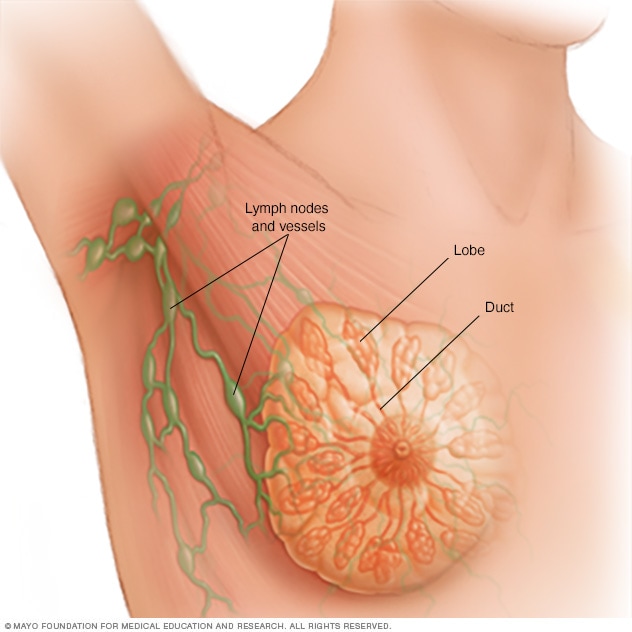
Discharge from the nipple can occur for many reasons, but discharge that appears without squeezing, particularly if it is bloody or occurs in only one breast, should be assessed promptly.
While non-cancerous causes are common, unexplained discharge should never be ignored.
7. Redness or Swelling
Persistent redness, warmth, or swelling of the breast may occasionally signal inflammatory breast cancer, a less common but aggressive form of the disease.
These symptoms may resemble an infection but often do not improve with standard treatment.
8. Thickening of Breast Tissue
Some people notice an area of the breast that feels thicker or firmer than the surrounding tissue.
This change may occur without the presence of a distinct lump. Any area that feels persistently different from normal breast tissue should be evaluated.
9. Swollen Lymph Nodes

Breast cancer can sometimes spread to nearby lymph nodes before a breast lump becomes noticeable.
Swelling in the lymph nodes under the arm, above the collarbone, or around the neck may occasionally be an early sign requiring medical attention.
10. Persistent Fatigue or Unexplained Weight Loss
Although these symptoms can result from many different conditions, ongoing fatigue, weakness, or unexplained weight loss may sometimes accompany various cancers, including breast cancer.
If these symptoms occur alongside changes in the breasts, discussing them with a healthcare provider is especially important.
Why Early Detection Matters
Early detection remains one of the most effective tools in improving breast cancer outcomes. When breast cancer is identified at an early stage, treatment options are often broader and may be more successful.
Regular self-awareness, routine medical checkups, and recommended screening tests such as mammograms can help detect changes before symptoms become advanced.
When Should You See a Doctor?
You should consider speaking with a healthcare professional if you notice:
- A new breast lump
- Persistent breast pain
- Changes in breast shape or size
- Nipple discharge
- Skin dimpling or thickening
- Swelling or redness that does not improve
- Any unusual breast changes that persist
Remember that many breast changes are caused by non-cancerous conditions. However, only a healthcare provider can determine the underlying cause.
Final Thoughts
Your body often provides subtle clues when something isn't right. While experiencing one or more of these symptoms does not necessarily mean you have breast cancer, paying attention to unusual changes and seeking medical advice when needed can make a significant difference.
Awareness, regular screening, and prompt evaluation remain key components of breast health. The sooner a potential problem is identified, the sooner appropriate care can begin.