The liver is one of the most important organs in the human body, quietly performing hundreds of essential tasks every single day. It helps process nutrients, filter toxins, regulate metabolism, support digestion, store energy, and maintain chemical balance throughout the body. Because the liver works continuously behind the scenes, many people may not notice early signs of liver stress until symptoms become more obvious.
Interestingly, some subtle warning signs may appear most noticeably in the morning. While morning symptoms alone cannot diagnose liver disease, certain recurring physical changes may sometimes reflect issues involving liver function, sleep quality, digestion, circulation, or metabolic health.
Understanding what the body may be signaling and knowing when medical evaluation is necessary - can help support earlier awareness and healthier long-term habits.

Why the Liver Is So Important
The liver performs more than 500 known functions inside the body.
Some of its major roles include:
- Filtering harmful substances
- Processing medications
- Supporting digestion
- Producing bile
- Regulating blood sugar
- Storing vitamins and minerals
- Breaking down fats
Because the liver affects so many systems, liver-related problems may sometimes produce symptoms throughout the entire body.
Why Symptoms May Appear in the Morning
Morning is often when people first notice:
- Fatigue
- Puffiness
- Digestive discomfort
- Dry mouth
- Changes in skin or eyes
During sleep, the body continues carrying out:
- Repair processes
- Hormonal regulation
- Detoxification pathways
- Metabolic activity
If liver function becomes impaired, some people may notice changes more clearly after waking.
1. Persistent Morning Fatigue
One possible sign associated with liver stress is:
- Ongoing fatigue after waking up
People may feel:
- Drained
- Weak
- Mentally foggy
- Unrefreshed despite sleeping
Fatigue is extremely common and may result from many causes, but chronic unexplained exhaustion deserves attention.
Why Liver Problems May Affect Energy
The liver plays a major role in:
- Energy storage
- Nutrient processing
- Blood sugar regulation
When liver function becomes impaired, the body may struggle to maintain optimal energy balance.
Inflammation and toxin buildup may also contribute to tiredness.
2. Puffiness or Swelling in the Morning
Some people notice:
- Puffy eyes
- Facial swelling
- Swollen hands
- Abdominal bloating
after waking up.
Fluid retention may sometimes occur when liver function becomes impaired.
However, swelling may also result from:
- High sodium intake
- Poor sleep
- Kidney issues
- Hormonal changes
Persistent swelling should not be ignored.
The Liver and Fluid Balance
Advanced liver disease may affect:
- Protein production
- Circulation
- Fluid regulation
This may contribute to:
- Edema
- Abdominal swelling
- Fluid accumulation
Early symptoms are often milder and less specific.
3. Morning Nausea or Digestive Discomfort
Some individuals with liver-related issues may experience:
- Nausea
- Loss of appetite
- Bitter taste in the mouth
- Digestive discomfort
especially in the morning.
The liver plays an important role in digestion through bile production and nutrient processing.
Why Digestion and the Liver Are Connected
The liver produces:
- Bile
which helps digest fats and absorb nutrients.
Digestive changes may occur when bile production or liver processing becomes disrupted.
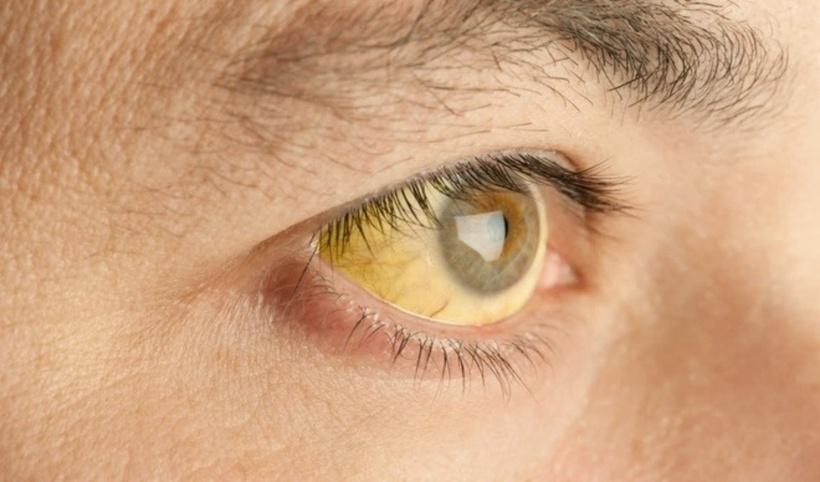
4. Yellowing of the Eyes or Skin
One of the more recognized liver-related symptoms is:
- Jaundice
This may cause:
- Yellowing of the skin
- Yellowing of the whites of the eyes
Jaundice occurs when bilirubin builds up in the body.
This symptom requires medical evaluation.
What Is Bilirubin?
Bilirubin is a yellow pigment produced when red blood cells break down.
The liver normally processes and removes bilirubin efficiently.
Liver dysfunction may cause bilirubin accumulation.
5. Dark Urine in the Morning
Some people notice unusually:
- Dark urine
- Brownish urine
- Tea-colored urine
Dehydration may cause dark urine temporarily, but persistent color changes should be medically evaluated.
Liver-related bilirubin buildup may sometimes contribute to darker urine.
6. Persistent Itching
Chronic unexplained itching may occasionally be linked to liver or bile-related conditions.
Possible symptoms include:
- Itchy skin without rash
- Nighttime itching
- Widespread irritation
However, many skin conditions may also cause itching.
7. Bad Breath or Bitter Taste
Some individuals report:
- Metallic taste
- Bitter taste
- Unpleasant breath odor
during liver-related digestive disturbances.
This may occur due to metabolic or digestive changes.
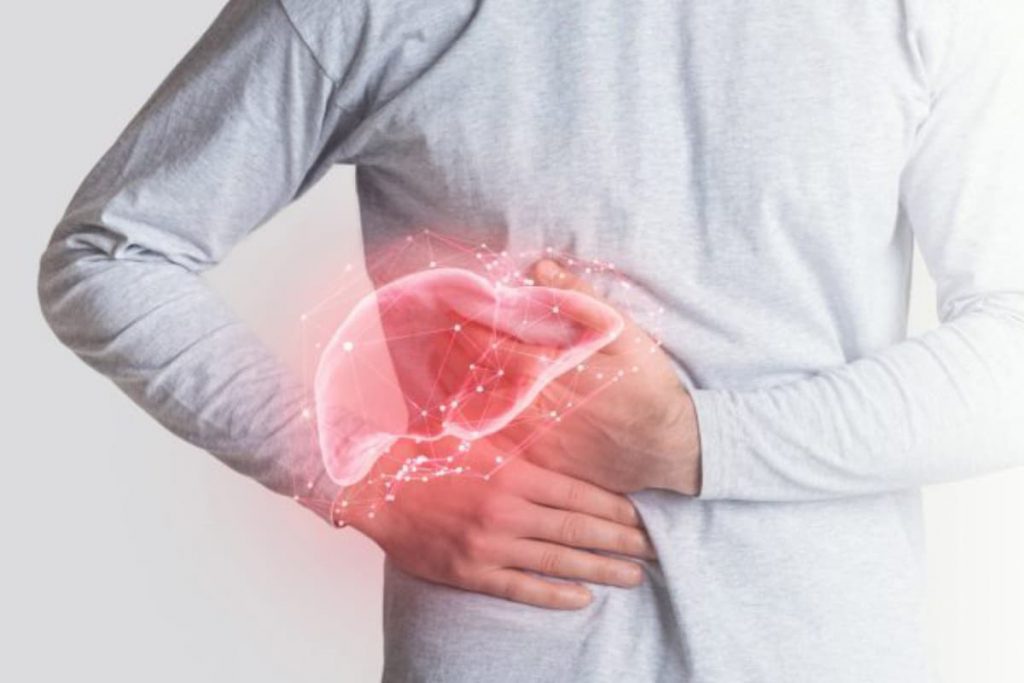
8. Abdominal Discomfort
Liver-related discomfort may sometimes occur in the:
- Upper right abdomen
Possible sensations include:
- Fullness
- Pressure
- Mild pain
Persistent abdominal symptoms should not be ignored.
Fatty Liver Disease and Modern Lifestyles
One increasingly common liver condition is:
- Fatty liver disease
This occurs when excess fat accumulates in liver tissue.
Risk factors may include:
- Obesity
- Diabetes
- Excess alcohol
- Poor diet
- Sedentary lifestyle
Early stages may produce few noticeable symptoms.
Alcohol and Liver Stress
Excessive alcohol consumption may significantly damage liver cells over time.
Long-term heavy drinking may contribute to:
- Fatty liver
- Hepatitis
- Cirrhosis
Moderation and liver protection are important.
Why Liver Problems Often Go Unnoticed
The liver has remarkable regenerative ability.
Many people experience no symptoms during early disease stages.
This is why routine medical checkups and blood tests can be important.
Blood Tests and Liver Health
Doctors may evaluate liver health using blood tests such as:
- ALT
- AST
- Bilirubin
- Albumin
Imaging studies may also help evaluate liver structure and fat accumulation.
The Role of Diet in Liver Health
Balanced nutrition may help support liver function.
Helpful habits may include:
- Eating more vegetables
- Reducing ultra-processed foods
- Limiting excessive sugar
- Staying hydrated
- Managing weight
No single food can “cleanse” the liver instantly.
Beware of “Detox” Myths
Many products falsely claim to:
- “Detox the liver”
- “Flush toxins overnight”
The liver already performs detoxification naturally.
Healthy lifestyle habits support liver function far more effectively than extreme cleanses.
Sleep and Liver Function
Sleep affects:
- Hormones
- Metabolism
- Inflammation
- Recovery
Poor sleep may worsen fatigue and metabolic stress, indirectly affecting liver wellness.
Exercise and Liver Wellness
Physical activity may help support:
- Healthy metabolism
- Weight management
- Blood sugar balance
- Fat reduction in the liver
Regular movement is strongly associated with better overall metabolic health.
Medications and Liver Stress
Some medications and supplements may affect liver function if overused or improperly combined.
Always follow medical guidance regarding:
- Pain medications
- Herbal supplements
- Alcohol use with medication
When to Seek Medical Attention
Medical evaluation is important if symptoms include:
- Yellowing skin or eyes
- Persistent fatigue
- Severe swelling
- Abdominal pain
- Dark urine
- Unexplained weight loss
Persistent symptoms should never be ignored.
Healthy Habits That May Support Liver Health
Helpful long-term habits include:
- Maintaining healthy weight
- Limiting alcohol
- Exercising regularly
- Eating balanced meals
- Sleeping adequately
- Avoiding smoking
Consistency matters more than quick fixes.
The Importance of Early Awareness
Early recognition of symptoms may encourage:
- Earlier medical evaluation
- Better lifestyle adjustments
- Improved long-term outcomes
The body often provides subtle warning signs before serious disease develops.
Final Thoughts
Morning symptoms such as persistent fatigue, puffiness, digestive discomfort, dark urine, or yellowing of the eyes may sometimes reflect underlying liver stress or metabolic imbalance. Although these symptoms can have many different causes, persistent or worsening changes should not be ignored.
The liver plays a critical role in overall health, and long-term healthy habits - including balanced nutrition, regular exercise, proper sleep, hydration, and limiting alcohol may help support liver wellness over time.
Paying attention to recurring symptoms and seeking timely medical evaluation when needed may help protect long-term health and support earlier detection of liver-related problems.