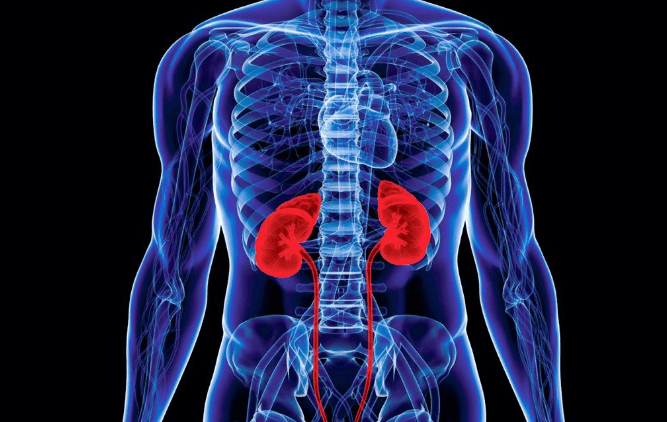
Your kidneys are small organs, but their job is anything but small. Located on either side of the spine, they continuously filter the blood, remove waste products, help regulate fluid levels, balance electrolytes, support blood pressure regulation, and contribute to the production of hormones involved in red blood cell production and bone health.
One of the challenging things about kidney problems is that they can develop quietly. In the early stages of chronic kidney disease, many people have few or no obvious symptoms. As kidney function becomes more impaired, however, changes may begin to appear throughout the body.
These changes don't necessarily mean that your kidneys are the cause. Many of the symptoms discussed below can result from other conditions. Still, persistent or unexplained changes are worth discussing with a healthcare professional, especially if you have risk factors for kidney disease.
Here are 12 body changes that may provide clues about kidney health.
1. Swelling Around the Feet and Ankles
One noticeable change can be swelling in the lower legs, ankles, or feet.
Healthy kidneys help maintain the body's fluid balance. When kidney function becomes impaired, the body may have difficulty removing excess sodium and water.
As a result, fluid can accumulate in tissues, producing a condition known as edema.
You may notice:
-
Shoes feeling tighter than usual
-
Sock marks becoming more pronounced
-
Puffy ankles
-
Swelling around the feet
-
Legs appearing unusually swollen
Kidney disease isn't the only possible cause of edema. Heart conditions, certain medications, prolonged sitting, venous problems, and other medical conditions can also cause swelling.
Persistent or unexplained swelling deserves medical evaluation.
2. Puffiness Around the Eyes
Swelling isn't always most noticeable in the feet.
Some people with kidney disorders that cause significant protein loss in the urine may develop puffiness around the eyes, particularly in the morning.
This can happen because reduced levels of blood proteins can contribute to fluid moving into surrounding tissues.
Morning facial puffiness can also have much more common explanations, such as lack of sleep, allergies, sinus problems, or eating a salty meal.
However, if puffiness repeatedly occurs alongside ankle swelling or changes in urination, it is worth mentioning to a healthcare professional.
3. Changes in Urination
Because the kidneys produce urine, changes in urination can sometimes provide useful clues.
You may notice:
-
Urinating more frequently
-
Urinating less than usual
-
Needing to urinate repeatedly during the night
-
Changes in the appearance of urine
-
Difficulty urinating
-
Persistent foaming or excessive bubbles in the urine
Some changes are harmless and temporary.
For example, urine can become darker when you're dehydrated.
However, persistent changes may deserve investigation.
In particular, ongoing foamy urine can sometimes be associated with protein in the urine, although bubbles can also occur for completely harmless reasons.
4. Blood in the Urine
Seeing blood in your urine, known as hematuria, should not simply be ignored.
The urine may appear pink, red, or brown, although small amounts of blood may only be detected through laboratory testing.
Blood in the urine can have many causes, including:
-
Urinary tract infections
-
Kidney stones
-
Certain medications
-
Prostate problems
-
Kidney disease
-
Other conditions affecting the urinary tract
It doesn't automatically mean kidney disease.
But visible blood in the urine warrants medical evaluation so that the underlying cause can be identified.
5. Persistent Fatigue and Low Energy
Feeling tired all the time is another symptom that can occur with significant kidney dysfunction.
One reason is that damaged kidneys may produce less erythropoietin (EPO), a hormone that helps stimulate the production of red blood cells.
Reduced EPO can contribute to anemia.
Anemia can cause:
-
Fatigue
-
Weakness
-
Reduced exercise tolerance
-
Difficulty concentrating
-
Shortness of breath during activity
Fatigue is extremely common and can result from poor sleep, stress, nutritional deficiencies, thyroid disorders, infections, anemia from other causes, and many other conditions.
So fatigue alone isn't a reliable indicator of kidney disease.
6. Persistent Itching or Dry Skin
Severe or persistent itching can occur in people with advanced kidney disease.
When kidney function becomes significantly reduced, waste products and changes in mineral balance can contribute to pruritus, or chronic itching.
The skin may also become very dry.
People may experience itching on the:
-
Arms
-
Legs
-
Back
-
Chest
-
Hands
-
Feet
-
Entire body
Ordinary dry skin, eczema, allergies, medications, and numerous other conditions can cause similar symptoms.
If itching is persistent without an obvious explanation, particularly in someone who already has kidney problems, it should be discussed with a healthcare professional.
7. Nausea or Loss of Appetite
When kidney function becomes severely impaired, waste products can accumulate in the blood.
This condition, known as uremia, can contribute to digestive symptoms.
Some people may experience:
-
Nausea
-
Vomiting
-
Loss of appetite
-
An unpleasant or metallic taste
-
Food tasting different
-
Unintentional weight loss
These symptoms usually aren't specific to kidney disease.
Gastrointestinal infections, medications, digestive disorders, stress, and many other conditions can produce similar effects.
But persistent nausea or unexplained appetite loss—especially when accompanied by other kidney-related symptoms—should be evaluated.
8. Muscle Cramps or Weakness
Kidneys play an important role in maintaining the body's electrolyte and mineral balance.
When kidney function is significantly impaired, levels of substances such as potassium, calcium, and phosphorus can become abnormal.
This may contribute to:
-
Muscle cramps
-
Muscle weakness
-
Restlessness
-
Abnormal sensations
-
Fatigue
However, muscle cramps are also incredibly common among healthy people.
Dehydration, intense exercise, certain medications, prolonged standing, and other electrolyte abnormalities can all cause them.
Frequent or severe cramping without an obvious explanation may be worth discussing with a doctor.
9. Trouble Concentrating or Feeling Mentally Foggy
Advanced kidney dysfunction can affect more than the body.
As waste products accumulate and electrolyte or metabolic disturbances develop, some people may experience changes in mental function.
They might describe:
-
Difficulty concentrating
-
Forgetfulness
-
Confusion
-
Difficulty staying alert
-
A feeling of mental "fog"
These symptoms have many possible causes, including sleep deprivation, medications, infections, dehydration, nutritional deficiencies, and neurological conditions.
Sudden confusion, however, should always be treated seriously because it can indicate an acute medical problem.

10. Shortness of Breath
Breathing difficulties can sometimes occur in people with advanced kidney disease.
There are several possible explanations.
Excess fluid can accumulate in the body and, in severe cases, contribute to fluid buildup in the lungs.
Kidney-related anemia can also reduce the blood's oxygen-carrying capacity and contribute to breathlessness.
However, shortness of breath is much more commonly associated with heart and lung conditions.
Sudden or severe difficulty breathing requires urgent medical attention, regardless of the suspected cause.
11. High Blood Pressure
The relationship between the kidneys and blood pressure goes in both directions.
Healthy kidneys contribute to blood pressure regulation.
At the same time, high blood pressure can damage the small blood vessels inside the kidneys, gradually reducing their ability to function properly.
This creates a potentially harmful cycle.
Kidney disease can contribute to elevated blood pressure, while uncontrolled hypertension can accelerate kidney damage.
The tricky part is that high blood pressure often produces no obvious symptoms.
That's why regular blood pressure checks are so important.
12. Changes in Sleep Patterns
Kidney problems may sometimes be associated with changes in sleep.
People with chronic kidney disease can experience:
-
Difficulty falling asleep
-
Frequent nighttime waking
-
Restless legs
-
Daytime sleepiness
-
Poor-quality sleep
Several factors may contribute, including itching, muscle discomfort, anemia, changes in body chemistry, and sleep-related breathing disorders.
Poor sleep itself is extremely common, though, and usually doesn't indicate kidney disease by itself.
If sleep problems persist, it is worth looking at the broader picture rather than focusing on the kidneys alone.
Why Kidney Problems Can Affect So Many Parts of the Body
The kidneys aren't simply filters.
They help maintain a remarkably stable internal environment.
They regulate:
Fluid balance
Electrolytes
Acid-base balance
Blood pressure
Waste removal
Red blood cell production
Vitamin D metabolism and mineral balance
When kidney function declines significantly, several of these processes can become disrupted at the same time.
That's why advanced kidney disease can produce symptoms involving the skin, muscles, digestive system, cardiovascular system, nervous system, and urinary tract.
Early Kidney Disease May Have No Symptoms
This is one of the most important things to understand.
You can have kidney disease without feeling sick.
Chronic kidney disease is often discovered through routine testing rather than symptoms.
Two commonly used assessments are:
-
Blood testing for estimated glomerular filtration rate (eGFR)
-
Urine testing for albumin or protein
These tests can help healthcare professionals evaluate kidney function and detect signs of kidney damage.
Depending on the situation, additional testing may be needed.
Who Is at Greater Risk?
Some people have a higher risk of developing kidney disease.
Important risk factors include:
-
Diabetes
-
High blood pressure
-
Cardiovascular disease
-
Family history of kidney disease
-
Older age
-
Previous kidney problems
-
Certain autoimmune conditions
-
Long-term use of certain medications
Having a risk factor doesn't mean you will develop kidney disease.
It simply means regular medical monitoring may be particularly important.
Why Diabetes and Kidney Health Are Closely Connected
Diabetes is one of the major risk factors for chronic kidney disease.
Persistently elevated blood glucose can damage the tiny blood vessels responsible for filtering blood inside the kidneys.
This damage can develop gradually.
One early sign may be albumin appearing in the urine, which may not cause any noticeable symptoms.
That's why people with diabetes are often advised to have their kidney function and urine checked regularly.
Early detection can provide an opportunity to address risk factors and slow progression.
Blood Pressure Matters Too
High blood pressure can silently damage kidney blood vessels over time.
The damage can gradually reduce kidney function.
At the same time, declining kidney function can make blood pressure more difficult to control.
This creates a cycle in which each problem can potentially worsen the other.
Managing blood pressure through appropriate lifestyle measures and prescribed treatment is therefore an important part of protecting kidney health.
Be Careful With Painkillers and Supplements
Some medications can affect kidney function, particularly when used inappropriately or in people who already have kidney problems.
Certain nonsteroidal anti-inflammatory drugs (NSAIDs), for example, can affect kidney blood flow and may pose greater risks with prolonged or inappropriate use.
Some herbal products and supplements can also affect the kidneys.
That doesn't mean you should stop a medication prescribed by your doctor.
Instead, tell your healthcare professional about all prescription medications, over-the-counter drugs, vitamins, and supplements you take.
Hydration Is Important—But More Isn't Always Better
Staying adequately hydrated supports normal body function.
However, the idea that everyone needs to drink enormous quantities of water to "flush the kidneys" isn't supported as a universal health rule.
People have different hydration needs depending on factors such as climate, activity level, diet, age, and medical conditions.
People with certain heart or kidney conditions may even have specific fluid restrictions.
So rather than forcing yourself to drink excessive amounts of water, follow appropriate medical advice for your individual situation.
Don't Rely on Kidney "Detoxes"
The internet is full of teas, powders, juices, and supplements marketed as kidney cleanses.
But your kidneys already perform continuous filtration and waste-management functions.
There is no need for a special detox drink to make healthy kidneys "flush toxins."
Some concentrated herbal products may even interact with medications or cause harm.
A more sensible approach is to focus on evidence-based habits and regular medical care.
When Should You Talk to a Doctor?
Consider making an appointment if you experience persistent or unexplained:
-
Swelling in the feet or ankles
-
Changes in urination
-
Blood in the urine
-
Significant fatigue
-
Itching
-
Loss of appetite
-
Muscle cramps
-
Changes in blood pressure
You should be particularly proactive if you have diabetes, high blood pressure, cardiovascular disease, or another known risk factor.
Some Symptoms Require Urgent Attention
Not every kidney-related symptom is an emergency, but certain situations shouldn't wait.
Seek urgent medical attention for symptoms such as:
-
Severe or sudden shortness of breath
-
Severe chest pain
-
Sudden confusion
-
Very little or no urine production
-
Severe weakness
-
Significant swelling accompanied by breathing problems
-
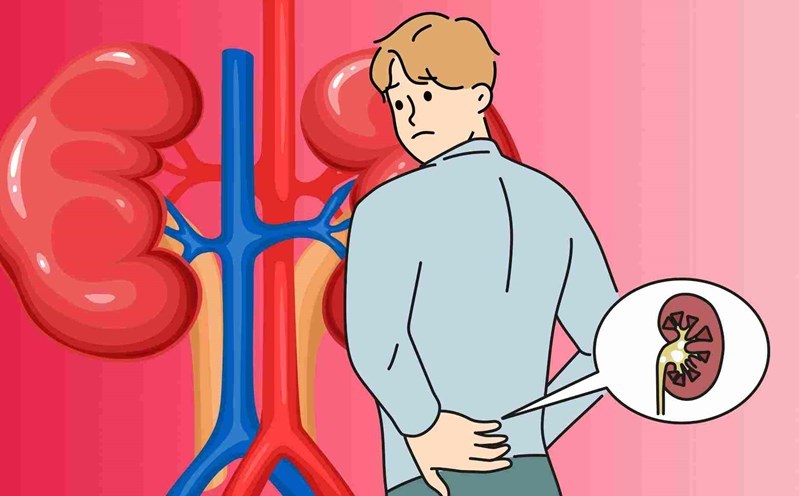
Severe flank or abdominal pain
-
Blood in the urine accompanied by severe symptoms
These signs can have multiple causes, and some can be serious.
The Best Way to Protect Your Kidneys
There isn't one magic food or drink that guarantees kidney health.
Instead, kidney protection is usually about managing the factors that can damage the kidneys over time.
That includes:
Keeping blood pressure under control
Managing blood glucose if you have diabetes
Maintaining a healthy body weight
Staying physically active
Not smoking
Eating a balanced diet
Using medications responsibly
Avoiding unnecessary supplements
Getting appropriate medical checkups
These habits can support kidney health while also benefiting the heart and overall well-being.
Listen to Your Body, But Don't Self-Diagnose
Your body can sometimes provide useful clues, but symptoms rarely tell the entire story.
Swollen feet may come from kidney disease - or from spending hours standing.
Fatigue may be related to anemia - or poor sleep.
Foamy urine may reflect protein - or simply the way urine hits the toilet water.
Itching may have a kidney-related cause - or something as simple as dry skin.
That's why the goal isn't to look at a symptom and immediately conclude, "I have kidney disease."
The goal is to recognize patterns that deserve professional attention.
Final Thoughts
The kidneys quietly perform essential work every day, and their importance often becomes apparent only when something goes wrong.
Swollen ankles, changes in urination, blood in the urine, persistent fatigue, itching, appetite changes, muscle cramps, mental fog, shortness of breath, high blood pressure, and sleep disturbances can occur in people with kidney problems - but none of these signs is specific enough to diagnose kidney disease on its own.
Perhaps the most important takeaway is that kidney disease can exist without obvious symptoms, especially in its earlier stages.
If you have risk factors such as diabetes or high blood pressure, routine kidney testing can be much more informative than waiting for symptoms to appear.
Pay attention to persistent changes, avoid unnecessary "kidney detox" products, manage conditions that can damage the kidneys, and speak with a healthcare professional when something doesn't seem right.
Your kidneys may work quietly in the background, but taking care of them is an important part of protecting your health for the long run.