Washing dishes is one of those everyday chores most people do without thinking twice. Plates, cups, utensils, cutting boards, and cookware are cleaned after meals, put away, and used again the next day.
But the way you wash and dry those items can influence food hygiene, bacterial contamination, chemical exposure, and the overall cleanliness of your kitchen.
This doesn't mean ordinary dishwashing causes serious diseases such as cancer. There is no good evidence that normal dishwashing itself causes cancer. However, certain poor cleaning and storage habits can increase exposure to germs or irritating chemicals and may contribute to foodborne illness.
The good news is that most of these risks are easy to reduce.
By understanding a few common dishwashing mistakes, you can make your kitchen routine safer without turning everyday cleaning into a complicated process.
Why Dishwashing Habits Matter
Kitchen utensils come into contact with food, hands, countertops, sinks, and other surfaces.
If they're not cleaned properly, microorganisms can remain behind and potentially contaminate the next meal.
The most important concerns include:
-
Bacteria
-
Viruses
-
Mold
-
Food allergens
-
Chemical residues
-
Cross-contamination
The goal of dishwashing isn't simply to make dishes look clean.
It's to remove food particles, grease, microorganisms, and cleaning residues as effectively as possible.
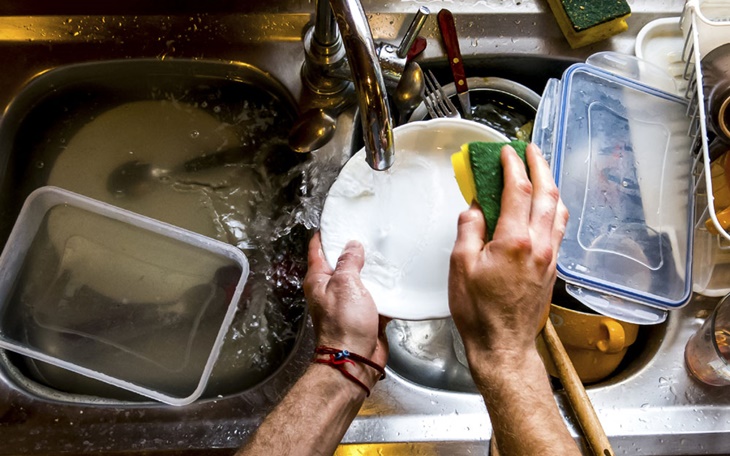
1. Using the Same Sponge for Too Long
The kitchen sponge is one of the most overlooked sources of contamination.
Sponges stay:
-
Warm
-
Damp
-
Full of food particles
Those conditions can allow microorganisms to multiply.
A sponge that smells unpleasant or has been used for a long time shouldn't be treated as clean simply because it has been exposed to dish soap.
What to do instead
Replace worn or dirty sponges regularly.
You can also choose cleaning tools that dry more quickly, such as certain dish brushes or washable scrubbers.
The key is to prevent your cleaning tool from becoming a reservoir for microorganisms.
2. Using a Dirty Dishcloth
Dishcloths can have the same problem as sponges.
If a cloth is repeatedly used to wipe:
-
Plates
-
Counters
-
Hands
-
Spills
-
Raw-food juices
it can spread contamination instead of removing it.
A cloth used to wipe raw chicken juices should never simply be reused on clean dishes or food-preparation surfaces.
A better habit
Use separate cloths for different tasks when practical, and wash reusable dishcloths frequently.
Allow them to dry completely between uses.
3. Washing Raw-Meat Equipment Without Care
Raw meat, poultry, seafood, and eggs can carry microorganisms that cause foodborne illness.
If a cutting board or knife is used for raw meat and then inadequately cleaned, microorganisms can transfer to food that won't be cooked.
This is known as cross-contamination.
For example, using the same cutting board for raw chicken and salad ingredients without proper cleaning can potentially transfer harmful bacteria.
Safer approach
After preparing raw animal products:
-
Wash hands thoroughly.
-
Clean knives and cutting boards with hot, soapy water.
-
Rinse appropriately.
-
Allow items to dry completely.
-
Consider using separate cutting boards for raw proteins and ready-to-eat foods.
4. Relying on Water Alone
Rinsing a greasy plate under water may remove some visible food but doesn't necessarily clean the surface effectively.
Dish soap helps break down oils and loosen food residues.
For everyday dishwashing, use:
Clean water + appropriate dishwashing detergent + mechanical scrubbing.
The physical action of washing is important.
You don't need enormous amounts of detergent.
Using more soap doesn't automatically mean cleaner dishes.
5. Not Washing Your Hands Before Dishwashing
Your hands can transfer microorganisms onto dishes, utensils, and cleaning tools.
This is especially relevant after handling:
-
Raw meat
-
Raw eggs
-
Trash
-
Pets
-
Dirty surfaces
Wash your hands before preparing food and after handling raw animal products.
Good hand hygiene remains one of the most effective ways to reduce foodborne illness.
6. Leaving Food Residue on Dishes
A plate that still has visible grease or food particles isn't properly clean.
Food residue can provide nutrients that allow microorganisms to persist.
Pay particular attention to:
-
Greasy cookware
-
Cutting boards
-
Blender components
-
Bottle caps
-
Utensil handles
-
Seams and grooves
Small crevices can trap food that isn't immediately obvious.
7. Washing Dishes in a Dirty Sink
Your sink may look clean while harboring microorganisms.
Raw meat juices, food particles, dirty dishwater, and wet sponges can all contribute to contamination.
If you place freshly washed dishes directly into a dirty sink, they can potentially become contaminated again.
Better practice
Clean the sink regularly.
After preparing raw meat or poultry, clean and disinfect appropriate surfaces according to food-safety guidance.
Don't let the sink become an afterthought.
8. Using Extremely Hot Water Without Protection
Hot water can help loosen grease, but you don't need dangerously hot water to wash dishes effectively.
Water that is too hot can cause burns.
The combination of detergent and mechanical scrubbing is more important than making the water as hot as possible.
If you're washing by hand, use water that is comfortably hot rather than painfully hot.
9. Assuming Dish Soap Kills Everything
Dishwashing detergent is designed primarily to remove food, grease, and contaminants.
It shouldn't be treated as a medical-grade disinfectant.
Some detergents have antibacterial ingredients, but ordinary dish soap isn't necessarily intended to sterilize surfaces.
For most household dishes, thorough washing is sufficient.
The bigger priority is proper cleaning and preventing cross-contamination.
10. Leaving Dishes Wet for Too Long
Moisture encourages microbial growth.
After washing dishes, allowing them to dry thoroughly can reduce the opportunity for microorganisms to persist.
Air-drying on a clean rack is often a practical option.
If you use a towel, make sure it's clean and dry.
A damp towel that has been sitting around for days isn't an ideal tool for drying dishes.
11. Using the Same Towel for Everything
A kitchen towel might be used to:
-
Dry dishes
-
Wipe countertops
-
Dry hands
-
Handle spills
-
Pick up dirty objects
This can create opportunities for cross-contamination.
If possible, assign different towels to different purposes.
Wash them regularly and allow them to dry completely between uses.
12. Not Cleaning the Dish Rack
Your dishes may be perfectly clean when they leave the sink.
But where do they dry?
A dish rack can accumulate:
-
Water
-
Food particles
-
Dust
-
Biofilm
-
Mold
If the rack itself is dirty, clean dishes can become contaminated again.
Clean and dry the rack regularly.
Pay attention to corners and areas where water collects.
13. Stacking Wet Dishes Immediately
Stacking wet dishes tightly together prevents air circulation.
This can slow drying and create a damp environment.
Instead, allow dishes to drain and dry completely before stacking them away.
This is especially important for containers, cups, and utensils with enclosed or difficult-to-dry areas.
14. Forgetting About Reusable Water Bottles
Reusable bottles are convenient, but they can become surprisingly dirty.
Moisture, saliva, and beverage residue can accumulate inside:
-
Bottle openings
-
Lids
-
Straws
-
Rubber seals
-
Threads
A quick rinse isn't always enough.
Wash reusable bottles thoroughly and allow all components to dry.
Pay special attention to removable seals and mouthpieces.
15. Cleaning Baby Bottles Improperly
Infant feeding equipment requires particular care.
Milk residue can support microbial growth.
Bottles, nipples, rings, and other components should be cleaned according to current infant-feeding hygiene recommendations.
Depending on the baby's age and health circumstances, sterilization may also be recommended.
Parents should follow guidance from their pediatrician or public-health authorities.
16. Using Too Much Dishwashing Detergent
More detergent doesn't necessarily mean cleaner dishes.
Excess detergent can make rinsing more difficult and may leave unwanted residue.
Follow the manufacturer's instructions.
Use enough detergent to effectively remove grease and food without creating an unnecessary excess.
17. Not Rinsing Thoroughly
After washing, dishes should be rinsed appropriately to remove loosened food particles and detergent.
This is particularly important with:
-
Plates
-
Cups
-
Baby items
-
Cooking utensils
You don't need to rinse endlessly, but visible soap or food residue should not remain.
18. Mixing Cleaning Chemicals
This is a much more serious mistake.
Never casually mix household cleaning products.
In particular, products containing bleach should not be mixed with acids, ammonia-containing products, or other cleaners, because dangerous gases can be produced.
A cleaning routine should always follow product-label instructions.
If you're unsure whether two products can be combined, don't mix them.
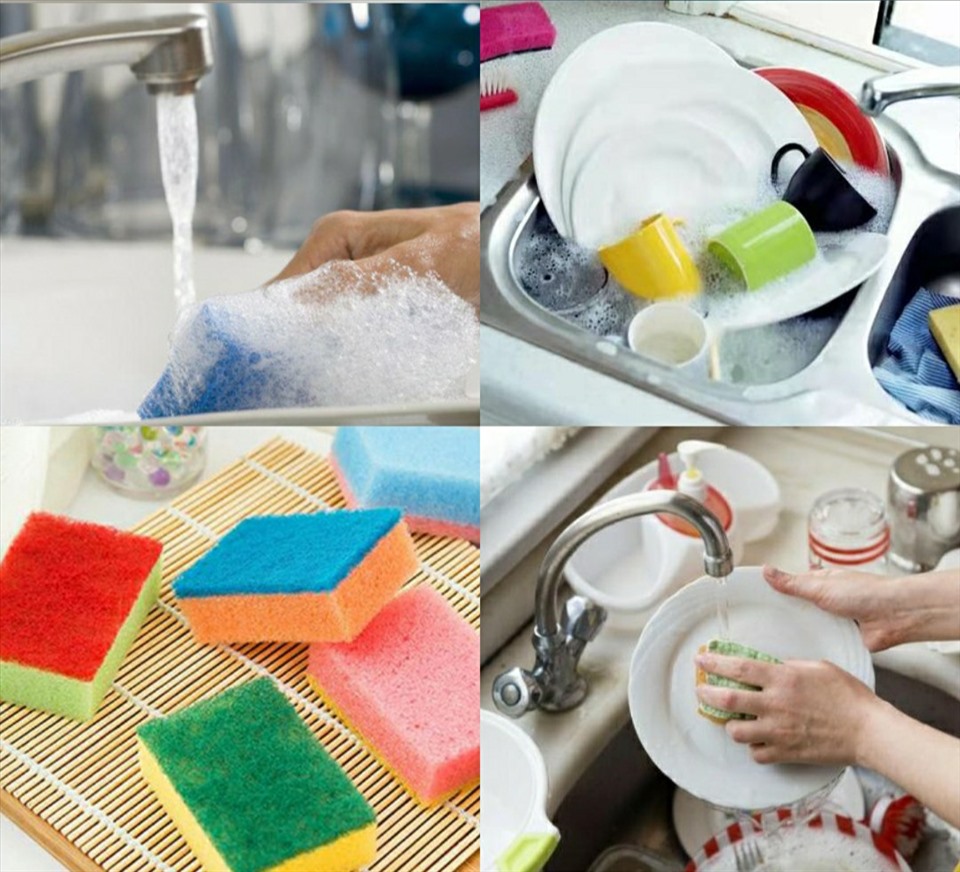
19. Using Bleach on Dishes Without Proper Guidance
Bleach can be useful for certain household disinfection tasks, but it isn't something to casually add to dishwater.
If disinfecting food-contact surfaces is necessary, use products and concentrations specifically appropriate for that purpose and follow the manufacturer's instructions.
Improperly diluted chemicals can create health risks.
Ordinary dishwashing with detergent is sufficient for most everyday dish-cleaning needs.
20. Using Damaged Plastic Containers
Old plastic containers can become scratched, cracked, or difficult to clean.
Deep scratches may trap food residue and microorganisms.
Damaged containers should be replaced when they can no longer be cleaned effectively or when they are no longer suitable for their intended use.
21. Putting Extremely Hot Food Into the Wrong Container
Not every plastic container is designed for high temperatures.
Some containers can deform or degrade when exposed to heat.
Always check whether a container is designed for:
-
Hot food
-
Microwaving
-
Freezing
-
Dishwasher use
Use products according to their intended purpose.
22. Ignoring Mold Around Silicone Seals
Rubber and silicone seals around food containers, bottles, and appliances can trap moisture.
If you notice:
-
Black spots
-
Persistent odor
-
Slime
-
Discoloration
remove and clean the seal if it is designed to be removable.
If it cannot be cleaned effectively, replacing it may be the safer option.
23. Dishwashers Need Cleaning Too
A dishwasher isn't automatically self-cleaning.
Food particles and residue can accumulate around:
-
Filters
-
Door seals
-
Spray arms
-
Bottom compartments
Clean the dishwasher according to the manufacturer's instructions.
A dirty filter can also interfere with cleaning performance.
24. Don't Overload the Dishwasher
Overloading can prevent water and detergent from reaching every surface.
You may end up with:
-
Food residue
-
Grease
-
Poorly cleaned utensils
Arrange dishes so water can circulate effectively.
Don't block spray arms.
Follow the manufacturer's loading recommendations.
25. Don't Assume a "Clean-Looking" Dish Is Hygienic
Appearance isn't everything.
A plate can look spotless while still having microorganisms present.
That's why proper washing technique matters.
Similarly, a dish may look slightly cloudy because of mineral deposits rather than contamination.
Visual appearance alone doesn't always tell you whether an item has been adequately cleaned.
26. Dishwashing and Cancer: What Does the Evidence Actually Say?
This is where misinformation often enters the conversation.
There is no good evidence that ordinary dishwashing causes cancer throughout a family.
However, people may encounter claims online linking dish soap, hot water, plastic containers, or cleaning products directly to cancer.
These claims often oversimplify complex issues.
The actual concern with household chemicals is usually related to improper use, excessive exposure, inhalation, skin irritation, or accidental ingestion, depending on the substance.
Following product instructions dramatically reduces unnecessary exposure.
27. What About Dish Soap Residue?
Small amounts of properly rinsed dish soap are unlikely to be a major health concern for most people.
However, deliberately consuming detergent is dangerous.
Dish soap can irritate the:
-
Mouth
-
Throat
-
Stomach
-
Skin
-
Eyes
If a dish still feels slippery or has visible detergent residue, rinse it again.
Use the appropriate amount of detergent rather than assuming more is better.
28. Fragrance and Sensitive Skin
Some dishwashing products contain fragrances, preservatives, or other ingredients that can irritate sensitive skin.
If you frequently develop:
-
Redness
-
Itching
-
Dryness
-
Cracking
-
Burning
after washing dishes, consider using gloves or switching to a gentler, fragrance-free product.
Persistent dermatitis should be evaluated by a healthcare professional.
29. Gloves Can Help Protect Your Hands
Frequent exposure to water and detergent can damage the skin barrier.
Wearing appropriate household gloves can reduce exposure.
But gloves themselves need to be kept clean.
If the inside becomes damp, allow them to dry thoroughly.
Replace damaged gloves.
30. Keep Cleaning Products Away From Food
Store detergents, disinfectants, bleach, and other chemicals away from food and food-preparation areas.
Ideally, keep them in their original labeled containers.
Never transfer chemicals into bottles that could be mistaken for beverages.
This can prevent accidental poisoning.
31. Children Shouldn't Handle Cleaning Chemicals
Young children may not understand the dangers of household cleaners.
Keep cleaning products securely stored and out of reach.
This includes:
-
Dishwashing detergent
-
Dishwasher pods
-
Bleach
-
Drain cleaners
-
Surface disinfectants
Dishwasher detergent pods can be particularly dangerous if swallowed.
32. Dishwasher Pods Require Special Care
Dishwasher pods contain concentrated detergent.
They are not equivalent to ordinary dish soap.
Keep them in their original packaging and store them securely.
Never let children play with them.
If a child swallows a cleaning product, contact an appropriate poison-control or emergency service immediately rather than waiting for symptoms.
33. Don't Use Food Containers for Chemicals
Never store detergent, bleach, or other chemicals in:
-
Water bottles
-
Food containers
-
Cups
-
Unlabeled jars
Someone could easily mistake them for something edible or drinkable.
Original packaging is safer because it includes the correct labeling and safety instructions.
34. Your Cutting Board Deserves Extra Attention
Cutting boards can develop grooves from repeated knife use.
Those grooves can trap food particles and microorganisms.
Replace boards that have become deeply worn or difficult to clean.
Consider separate boards for:
Raw meat and poultry
and
Ready-to-eat foods
This simple habit can reduce cross-contamination.
35. Don't Put a Dirty Sponge on the Counter
After washing dishes, people often toss the sponge onto the counter.
A wet sponge sitting on a surface can transfer microorganisms.
Use a holder that allows the sponge to drain and dry.
Better yet, use cleaning tools that dry quickly.
36. Don't Leave Food-Soaked Water Sitting Around
Dirty dishwater contains:
-
Food particles
-
Grease
-
Microorganisms
Empty it after washing rather than leaving it in the sink for hours.
Then rinse and clean the sink as needed.
37. Clean Around the Kitchen Faucet
The faucet handle is frequently touched with dirty hands.
Think about what happens during meal preparation:
You handle raw chicken.
Then you touch the faucet.
Then someone else touches the faucet while preparing a salad.
This creates an opportunity for cross-contamination.
Clean high-touch areas regularly, including:
-
Faucet handles
-
Refrigerator handles
-
Cabinet handles
-
Appliance buttons
38. Dishwashing Is Only One Part of Food Safety
A clean plate won't protect you if food is handled incorrectly afterward.
Food safety also involves:
-
Proper handwashing
-
Safe cooking temperatures
-
Appropriate refrigeration
-
Preventing cross-contamination
-
Safe food storage
-
Cleaning food-preparation surfaces
Think of kitchen hygiene as a system rather than a single task.
39. A Simple Safer Dishwashing Routine
A practical routine can be surprisingly simple.
Step 1: Scrape Food Off
Remove leftover food before washing.
Step 2: Separate High-Risk Items
Keep raw-meat equipment separate from ready-to-eat food equipment.
Step 3: Wash With Detergent
Use appropriate dishwashing soap and mechanical scrubbing.
Step 4: Rinse
Remove loosened food and detergent residue.
Step 5: Dry
Allow items to air-dry on a clean rack whenever practical.
Step 6: Clean the Tools
Wash or replace sponges, brushes, cloths, and dish racks regularly.

40. When Should You Replace Kitchen Cleaning Tools?
There isn't one universal replacement schedule for every sponge or brush.
Replace a cleaning tool when it becomes:
-
Smelly
-
Moldy
-
Permanently stained
-
Frayed
-
Difficult to clean
-
Visibly contaminated
Reusable cloths should be washed frequently.
Sponges should not be kept indefinitely.
41. A Few Minutes of Maintenance Can Make a Big Difference
Kitchen hygiene doesn't require spending hours disinfecting every surface.
Focus on the places that matter most:
-
Hands
-
Cutting boards
-
Knives
-
Dishware
-
Sponges
-
Dishcloths
-
Sink
-
Faucet handles
-
Refrigerator handles
Consistency is more useful than occasional extreme cleaning.
42. What About Natural Cleaning Products?
"Natural" doesn't automatically mean safer or more effective.
Vinegar, baking soda, essential oils, and other household ingredients have specific uses, but they shouldn't automatically replace proven cleaning products for every situation.
For food safety, use appropriate products according to their intended purpose.
And never mix cleaning ingredients without confirming that they are compatible.
43. The Biggest Mistake Is Cross-Contamination
If you remember only one concept from this article, make it this:
Don't transfer contamination from dirty items to clean ones.
Examples include:
-
Using a raw-meat cutting board for salad
-
Wiping a clean plate with a dirty cloth
-
Touching a faucet after handling raw chicken
-
Using the same sponge indefinitely
-
Storing clean dishes in a dirty rack
Preventing cross-contamination is one of the most important principles of kitchen hygiene.
44. What Your Dishwashing Routine Really Means for Your Family
Your dishwashing routine isn't likely to determine whether someone develops cancer.
But it can influence everyday exposure to microorganisms, cleaning chemicals, and food contaminants.
A few simple habits can make the kitchen safer:
Clean dishes thoroughly.
Keep sponges and cloths clean and dry.
Separate raw and ready-to-eat foods.
Clean the sink and dish rack.
Use detergents according to instructions.
Never mix household chemicals.
Store cleaning products safely.
Replace damaged kitchenware.
45. When to Seek Medical Help
Most kitchen hygiene mistakes won't cause immediate symptoms.
However, seek medical advice if someone develops symptoms of possible food poisoning, such as:
-
Severe vomiting
-
Persistent diarrhea
-
Bloody diarrhea
-
High fever
-
Severe abdominal pain
-
Signs of dehydration
Young children, older adults, pregnant people, and individuals with weakened immune systems can be more vulnerable to complications from foodborne illness.
The Bottom Line
Your daily dishwashing routine can influence your family's food safety and household hygiene, but it's important to separate genuine risks from sensational claims.
There is no evidence that ordinary dishwashing itself causes cancer.
The more realistic concerns involve cross-contamination, dirty sponges and cloths, improper handling of raw foods, inadequate cleaning, and unsafe use of household chemicals.
The good news is that these risks are largely preventable.
Use clean tools, wash dishes thoroughly, allow them to dry, keep raw-food equipment separate, and follow the instructions on cleaning products.
Final Thoughts
Dishwashing may seem like one of the most ordinary chores in the house, but small habits can make a meaningful difference to kitchen hygiene.
You don't need expensive equipment or complicated cleaning routines.
You simply need consistency.
A clean sponge, properly washed dishes, a dry dish rack, safe chemical handling, and good hand hygiene can go a long way toward keeping your kitchen healthier.
And if you see alarming claims online suggesting that a normal dishwashing habit directly causes cancer, pause before sharing them.
Good health advice should be based on evidence—not fear.
The smartest approach is to focus on the risks we can actually control: food contamination, poor hygiene, improper chemical use, and unsafe food handling.