Before Your Colonoscopy, There’s One Important Question Experts Say You Should Ask Your Doctor
Health 23/05/2026 11:24
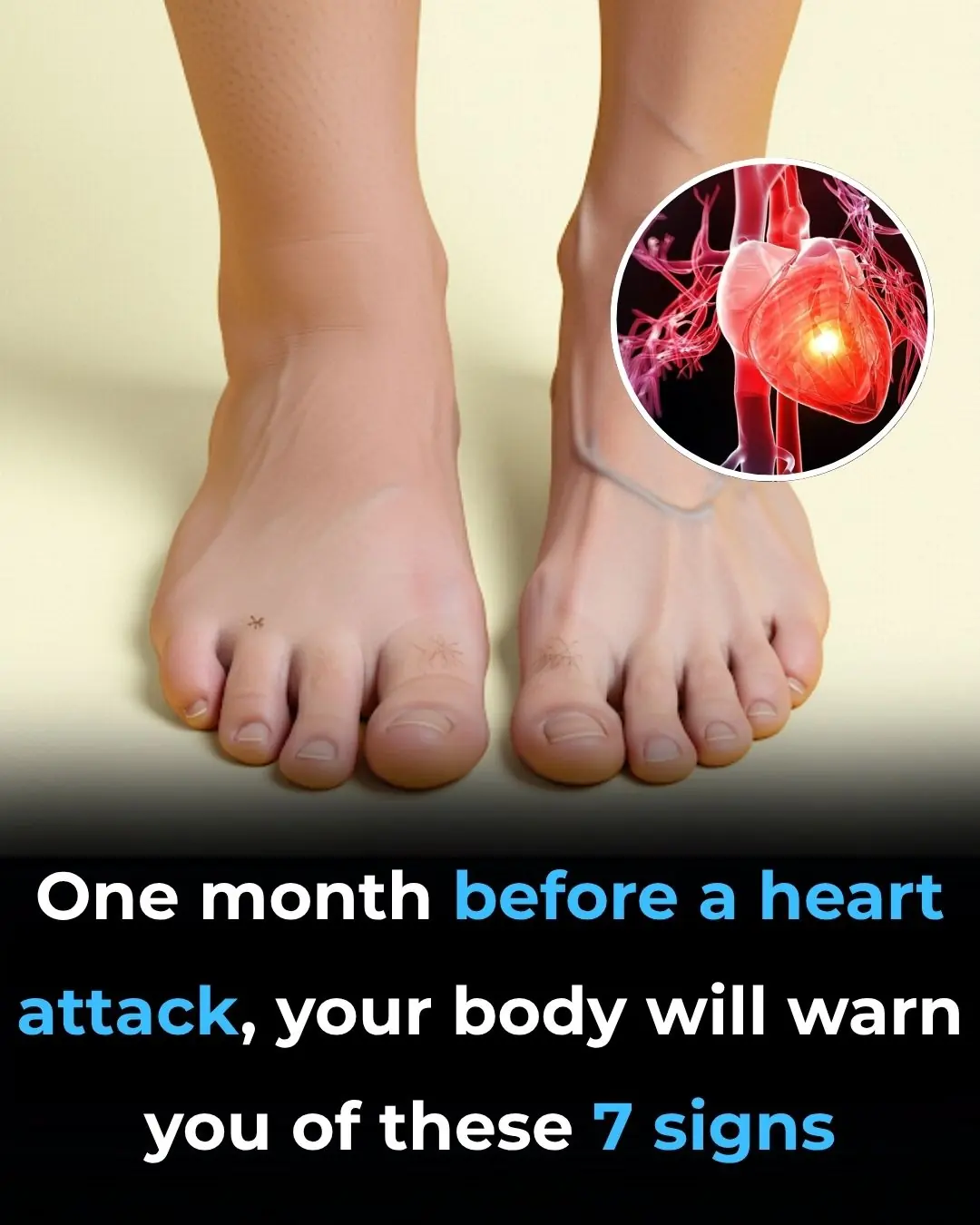
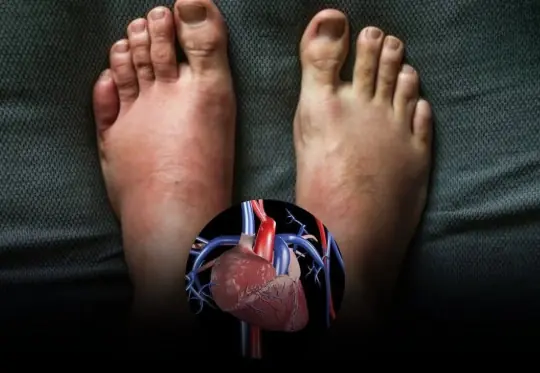
Heart disease is often associated with chest pain, shortness of breath, or sudden fatigue. However, doctors warn that some early warning signs of heart and circulation problems may appear far from the heart itself — particularly in the feet and legs, and are often most noticeable at night.
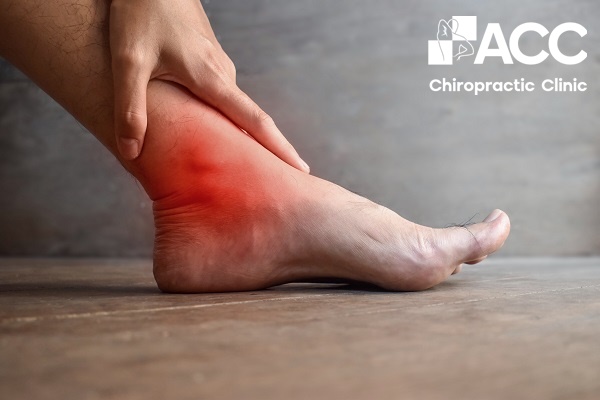
The images showing leg pain, blood flow restriction, and arterial blockage highlight a condition many people overlook: reduced blood circulation caused by narrowing or blockage of arteries, also known as peripheral artery disease (PAD), which is closely linked to heart disease.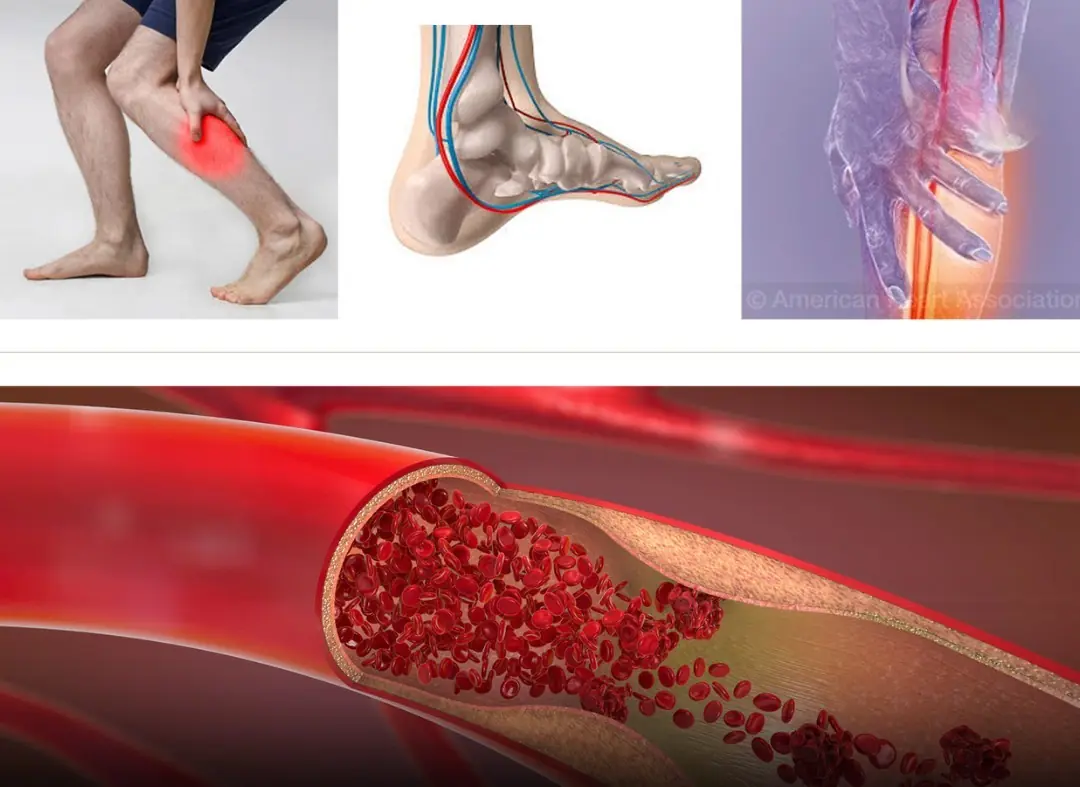
The heart pumps blood through a network of arteries that supply oxygen to every part of the body. When arteries become narrowed due to plaque buildup — a process known as atherosclerosis — blood flow is reduced.
While blockages near the heart can lead to heart attacks, blockages in peripheral arteries often affect the legs and feet first, especially during rest or at night when circulation naturally slows.
Doctors stress that leg symptoms do not mean a heart attack is imminent, but they can signal underlying cardiovascular disease that deserves attention.
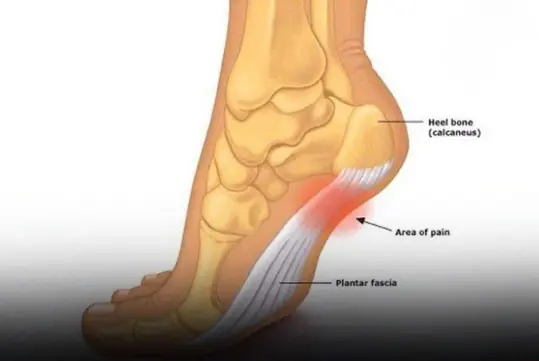
One of the most common warning signs is leg pain, cramping, or aching that occurs during rest or wakes you up at night.
This happens because narrowed arteries cannot deliver enough oxygen-rich blood to muscles, even when the body is not active. The discomfort may improve when the legs are moved or lowered off the bed.
Pain that:
Repeats regularly
Affects calves, feet, or thighs
Improves with movement
should not be ignored.
Poor circulation can make feet or toes feel unusually cold, even in warm environments.
If one foot feels consistently colder than the other, or if warmth does not return easily, it may indicate restricted blood flow.
Doctors note that cold feet alone are common and often harmless, but persistent coldness combined with other symptoms may point to circulation issues.
Some people experience numbness, tingling, or a “pins and needles” sensation, especially at night.
While these symptoms can be caused by nerve compression or posture, reduced blood flow can also deprive nerves of oxygen, leading to abnormal sensations.
If numbness:
Occurs frequently
Worsens over time
Appears with pain or color changes
medical evaluation is advised.
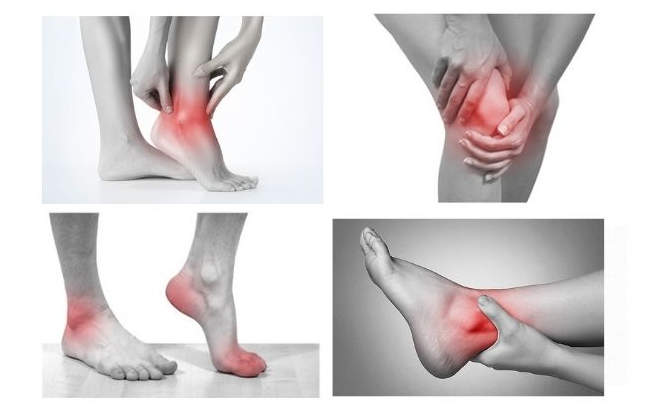
Reduced circulation may cause visible changes in the legs and feet, including:
Pale or bluish skin
Shiny or thin-looking skin
Slower hair or nail growth
These changes develop gradually and are often dismissed as aging or cosmetic issues, but doctors say they can reflect chronic blood flow problems.
One of the more serious warning signs is cuts, blisters, or sores on the feet or legs that heal very slowly or not at all.
Poor circulation limits the body’s ability to deliver nutrients and immune cells needed for healing. This symptom is especially important for people with diabetes, who are already at higher risk for vascular disease.
At night, blood pressure and circulation naturally decrease. When arteries are already narrowed, this drop can make symptoms more noticeable.
People often assume nighttime discomfort is due to fatigue, sleeping position, or muscle strain, delaying medical attention.
Doctors identify several risk factors for circulation-related heart conditions, including:
Smoking
Diabetes
High blood pressure
High cholesterol
Obesity
Sedentary lifestyle
Age over 50
However, symptoms can occur even without obvious risk factors.
Medical professionals emphasize:
These symptoms do not confirm a heart blockage on their own
Many non-serious conditions can cause similar signs
The concern lies in patterns, persistence, and combination of symptoms
Early evaluation helps rule out serious conditions or detect problems before complications develop.
Peripheral artery disease and heart disease often progress silently. When left untreated, they increase the risk of heart attack, stroke, and mobility problems.
The good news is that early detection allows for effective treatment, including lifestyle changes, medication, and monitoring.
If you notice recurring leg or foot symptoms, doctors advise:
Do not self-diagnose
Track when symptoms occur and what relieves them
Seek medical evaluation if symptoms persist for weeks
Address risk factors such as smoking and inactivity
Simple tests like blood flow studies or ultrasounds can provide clarity.
Your feet and legs can reveal important clues about your heart health.
While nighttime leg discomfort is often harmless, persistent or unexplained symptoms deserve attention. Awareness is not about fear — it is about listening to your body and acting early.
When it comes to heart health, earlier is always better than later.
This article is for educational purposes only and does not replace professional medical advice. Anyone experiencing concerning symptoms should consult a qualified healthcare provider.