The image above suggests that different areas of the feet correspond directly to specific organs throughout the body. This concept is commonly associated with reflexology, a practice that has existed for centuries in various traditional healing systems.
However, it is important to understand that modern medical science has not confirmed that specific points on the feet directly diagnose diseases in specific organs. In other words, pressing a particular area of the foot cannot reliably determine whether there is a problem with the lungs, liver, intestines, or kidneys.
That said, doctors do agree on one important point: the feet can sometimes reveal valuable clues about overall health. Changes in the appearance, sensation, color, or condition of the feet may occasionally reflect underlying medical problems that deserve attention.
Let's explore some foot symptoms that healthcare professionals recommend taking seriously.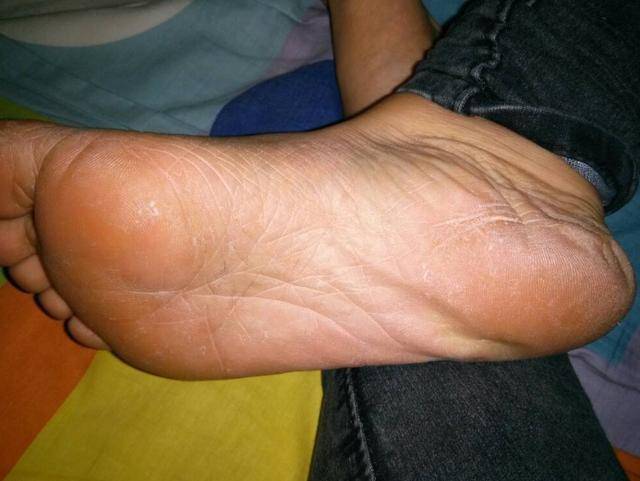
Why the Feet Can Reflect Overall Health
Your feet contain:
-
Thousands of nerve endings
-
Numerous blood vessels
-
Bones and joints
-
Muscles and tendons
Because they rely heavily on healthy circulation and nerve function, the feet can sometimes be among the first places where signs of health problems become noticeable.
Many conditions involving:
-
The heart
-
Blood vessels
-
Kidneys
-
Diabetes
-
Nervous system
may produce symptoms in the feet.
Warning Sign 1: Swollen Feet and Ankles
One of the most common foot-related symptoms is swelling.
What It May Look Like
You may notice:
-
Puffy ankles
-
Tight shoes
-
Indentations left by socks
-
Enlarged feet
Possible Causes
Swelling may occur for many reasons, including:
-
Standing for long periods
-
Hot weather
-
Pregnancy
However, persistent swelling can sometimes be associated with:
-
Heart conditions
-
Kidney disorders
-
Liver disease
-
Circulatory problems
When to Seek Medical Attention
Prompt evaluation is recommended if swelling:
-
Appears suddenly
-
Affects only one leg
-
Is accompanied by shortness of breath
-
Occurs with chest pain
Warning Sign 2: Persistent Cold Feet
Everyone experiences cold feet occasionally.
Possible Explanations
Cold feet may simply result from:
-
Low room temperature
-
Reduced activity
-
Normal circulation variations
When It May Be Concerning
Persistent cold feet can sometimes indicate:
-
Poor circulation
-
Peripheral artery disease
-
Thyroid disorders
-
Certain nerve conditions
Additional Symptoms
Pay attention if cold feet occur alongside:
-
Numbness
-
Pain
-
Skin color changes
Warning Sign 3: Numbness or Tingling
Pins-and-needles sensations are common after sitting awkwardly.
However, persistent numbness deserves attention.
Symptoms
People may experience:
-
Burning sensations
-
Tingling
-
Reduced sensation
-
Difficulty feeling temperature
Possible Causes
These symptoms may be associated with:
-
Diabetes
-
Nerve damage
-
Vitamin deficiencies
-
Circulatory disorders
Because sensation helps protect the feet from injury, ongoing numbness should not be ignored.
Warning Sign 4: Slow-Healing Wounds
Healthy skin normally repairs itself.
What to Watch For
-
Cuts that heal slowly
-
Persistent sores
-
Open wounds
-
Recurring infections
Why It Matters
Slow healing may occasionally indicate:
-
Diabetes
-
Circulatory problems
-
Immune system disorders
Prompt treatment helps reduce the risk of complications.
Warning Sign 5: Changes in Skin Color
The color of your feet can provide useful clues.
Pale Feet
May sometimes indicate reduced blood flow.
Bluish Feet
Can occasionally reflect circulation or oxygenation issues.
Red Feet
May occur due to inflammation or infection.
Darkened Areas
Should always be evaluated if unexplained.
Sudden color changes require medical attention.
Warning Sign 6: Persistent Foot Pain
Foot pain is often caused by common issues such as:
-
Overuse
-
Poor footwear
-
Injury
However, ongoing pain without a clear cause deserves investigation.
Possible Underlying Factors
-
Arthritis
-
Nerve disorders
-
Circulatory problems
-
Structural foot conditions
Persistent pain should never simply be accepted as normal.
Warning Sign 7: Changes in Toenails
Toenails may reveal information about overall health.
Potential Signs
-
Thickening
-
Discoloration
-
Brittleness
-
Abnormal growth
Possible Causes
These changes may result from:
-
Fungal infections
-
Nutritional deficiencies
-
Circulation problems
-
Certain chronic conditions
The Connection Between Diabetes and Foot Health
Doctors frequently emphasize foot care for individuals with diabetes.
Why?
High blood sugar levels may affect:
-
Nerves
-
Blood vessels
-
Healing ability
Common Foot Symptoms
-
Tingling
-
Numbness
-
Burning
-
Slow-healing wounds
Routine foot checks are an important part of diabetes management.
The Heart and Your Feet
The heart pumps blood throughout the body.
When circulation is affected, the feet may sometimes show signs first.
Possible Symptoms
-
Swelling
-
Cold feet
-
Skin discoloration
-
Reduced healing
These symptoms do not automatically mean heart disease is present, but they may warrant evaluation.
Kidney Health and Foot Swelling
The kidneys help regulate fluid balance.
When Problems Occur
Excess fluid may accumulate in the body, sometimes causing:
-
Ankle swelling
-
Foot swelling
-
Tightness in shoes
Persistent swelling should be discussed with a healthcare professional.
When Should You Go to the Hospital?
Some symptoms require immediate medical attention.
Seek urgent care if foot symptoms occur alongside:
Chest Pain
This may indicate a medical emergency.
Sudden Severe Swelling
Particularly if one leg is affected.
Difficulty Breathing
Shortness of breath combined with swelling should be evaluated immediately.
Sudden Loss of Sensation
Especially if it develops rapidly.
Signs of Serious Infection
Including:
-
Fever
-
Red streaks
-
Significant swelling
-
Severe pain
The Truth About Reflexology Charts
The image shows a reflexology-style map linking foot regions to organs.
What Science Says
While many people enjoy reflexology for relaxation, there is currently limited scientific evidence that specific foot zones can diagnose diseases in specific organs.
What Doctors Recommend
Rather than relying solely on foot maps, healthcare professionals encourage paying attention to actual physical changes such as:
-
Swelling
-
Pain
-
Numbness
-
Color changes
-
Wounds
These symptoms can provide meaningful clues about health.
Keeping Your Feet Healthy
Inspect Your Feet Regularly
Look for:
-
Cuts
-
Swelling
-
Skin changes
Wear Proper Footwear
Supportive shoes help protect foot health.
Stay Active
Physical activity supports circulation.
Manage Chronic Conditions
Proper management of:
-
Diabetes
-
High blood pressure
-
Heart disease
can help protect the feet.
Final Thoughts
While the foot-organ map shown in the image is based on reflexology rather than established medical diagnosis, the feet can still provide important clues about overall health. Persistent swelling, numbness, slow-healing wounds, discoloration, pain, and changes in toenails are all symptoms that deserve attention.
The feet are often described as a window into circulation, nerve function, and general well-being. Paying attention to unusual changes and seeking medical advice when necessary can help identify health concerns early and improve long-term outcomes.
Your feet may not directly diagnose problems in specific organs, but they can certainly tell you when something in your body deserves a closer look.