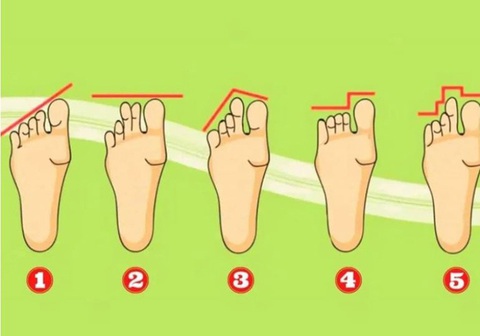
At first glance, the image presents a simple but catchy idea: there are five types of feet, and each one reveals something about your personality. This concept has gone viral across social media because it feels personal, quick to apply, and oddly accurate at times. But here’s the real deal: it sits somewhere between fun psychology, cultural symbolism, and light pseudoscience.
Still, that doesn’t mean it’s useless. If you approach it the right way, it can actually give insight into how people perceive themselves and how personality traits are often generalized.
Let’s break it down properly.
1. Where This Idea Comes From
The belief that foot shape reflects personality is not new. It has roots in:
- Ancient Greek and Roman aesthetic theories
- Reflexology traditions
- Body-reading practices similar to physiognomy
Historically, different foot shapes were even used in art to represent ideal beauty or character traits. Over time, this evolved into modern “personality typing” content you see online.
Important note:
There is no scientific evidence that foot shape determines personality. But it can still be used as a self-reflection tool.
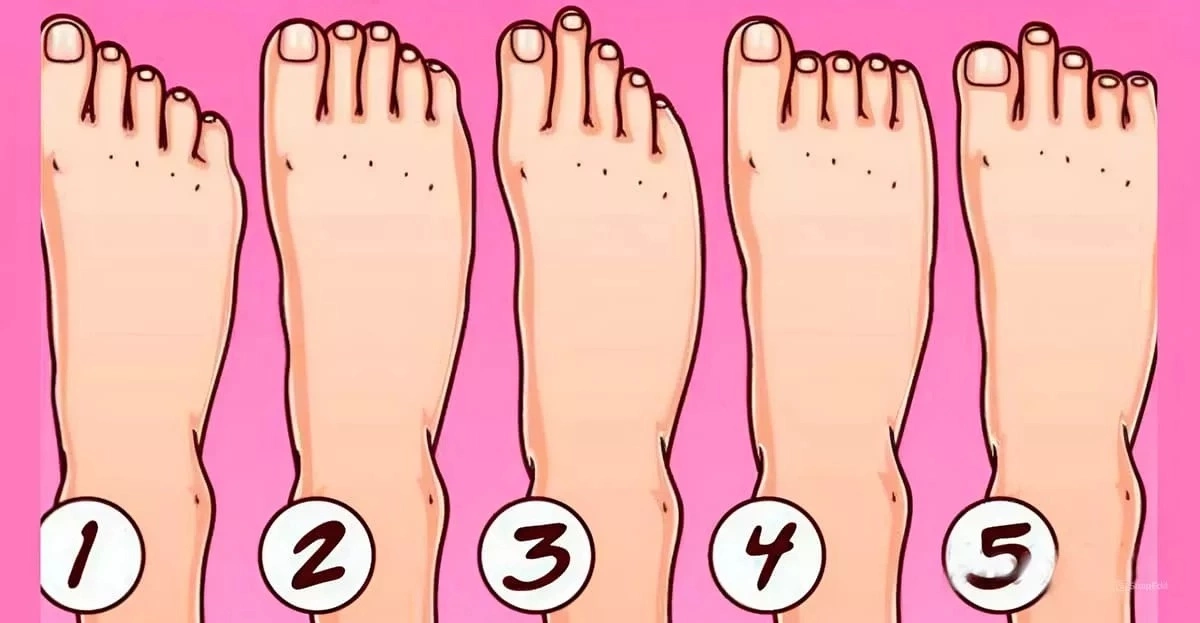
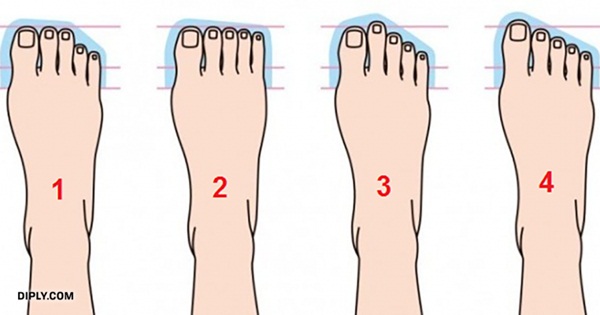
2. The 5 Common Foot Types in the Image
Let’s decode each one based on how they’re typically interpreted.
Type 1 – The “Balanced Leader”
Visual:
- Big toe is the longest
- Other toes gradually decrease in size
Often Associated Traits:
- Calm, logical, and practical
- Natural leadership tendencies
- Reliable decision-maker
Interpretation:
This shape is often called the Egyptian foot. It’s the most common type globally. People linked to this type are often seen as stable and grounded.
Type 2 – The “Creative Thinker”
Visual:
- First three toes are almost the same length
Often Associated Traits:
- Highly creative
- Energetic and spontaneous
- Good at multitasking
Interpretation:
This type is sometimes connected to artistic personalities. It suggests flexibility in thinking and openness to new ideas.
Type 3 – The “Driven Achiever”
Visual:
- Second toe is longer than the big toe
Often Associated Traits:
- Ambitious and goal-oriented
- Competitive
- Strong desire for success
Interpretation:
Known as the Greek foot, this shape is often linked to leadership in a more assertive way. These individuals are seen as intense and focused.
Type 4 – The “Peace Seeker”
Visual:
- Toes are almost the same length, forming a straight line
Often Associated Traits:
- Loyal and trustworthy
- Values stability and harmony
- Family-oriented
Interpretation:
This type reflects someone who prefers balance over chaos. They are often dependable and emotionally steady.
Type 5 – The “Independent Spirit”
Visual:
- Smaller toes with a distinct separation or irregular pattern
Often Associated Traits:
- Adventurous
- Unpredictable
- Likes freedom and change
Interpretation:
This type is usually associated with people who don’t like being controlled. They tend to follow their own path.
3. Why People Feel “It’s So Accurate”
This is where psychology kicks in.
The reason many people relate to these descriptions is due to:
1. The Barnum Effect
People tend to accept vague, general statements as personally meaningful.
2. Self-Projection
You naturally interpret traits in a way that fits your own identity.
3. Confirmation Bias
You remember what matches and ignore what doesn’t.
So yeah, it can feel spooky accurate — but it’s more about how your brain processes information than your toes.
4. What Actually Matters About Foot Shape
Instead of personality, foot shape is more useful for:
Health and biomechanics:
- Walking pattern (gait)
- Risk of injury
- Shoe selection
For example:
- Longer second toe → higher pressure distribution
- Flat vs arched foot → affects posture
So while personality claims are fun, the real value is physical awareness.
5. Should You Take This Seriously?
Short answer:
- As science → No
- As entertainment + self-reflection → Yes
Think of it like a personality quiz. It’s not truth — it’s a mirror for how you see yourself.
6. Final Take
This kind of content works because it mixes:
- Visual simplicity
- Personal curiosity
- Light psychological hooks
Your foot shape doesn’t define who you are. But the way you interpret it? That says a lot more.
If you want, you can tell me which type matches your foot, and I’ll break it down deeper - not just the generic traits, but how it might relate to behavior, habits, and mindset in real life.