Most people pay attention to their heart, lungs, or stomach when they notice unusual symptoms, but few think to look at their feet. Surprisingly, your feet can sometimes provide valuable clues about your overall health.
The kidneys are responsible for filtering waste products from the blood, balancing fluids and electrolytes, regulating blood pressure, and producing hormones that support red blood cell production and bone health. When kidney function declines, changes in circulation, fluid balance, nerve function, and skin health may sometimes become noticeable in the feet.
However, it's important to understand that foot symptoms alone cannot diagnose kidney disease. Many of the signs discussed below are common and can also be caused by diabetes, heart disease, poor circulation, thyroid disorders, vitamin deficiencies, or other medical conditions.
If you notice persistent or unexplained foot changes - especially if they occur alongside symptoms such as swelling, changes in urination, fatigue, or high blood pressure it is worth discussing them with your healthcare provider.
Let's explore 10 foot symptoms that may be associated with kidney disease.
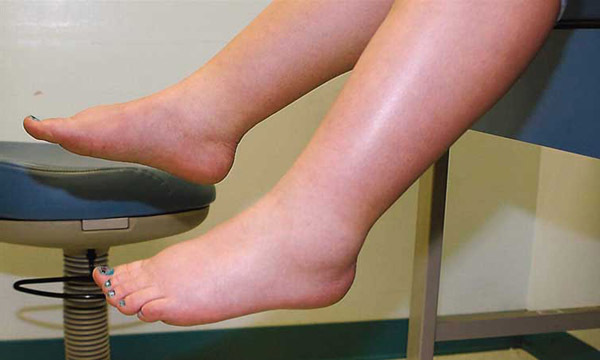
1. Swollen Feet and Ankles
Swelling, also called edema, is one of the most recognized symptoms associated with reduced kidney function.
Healthy kidneys remove excess salt and water from the body. When they become less efficient, fluid may build up in the tissues.
Swelling often affects:
-
Feet
-
Ankles
-
Lower legs
You may notice:
-
Tight shoes that suddenly no longer fit comfortably
-
Puffy ankles
-
Skin that leaves an indentation after being pressed (pitting edema)
-
Swelling that becomes worse later in the day
However, swelling is not unique to kidney disease. It may also result from heart failure, liver disease, chronic venous insufficiency, pregnancy, or certain medications.
2. Persistent Itching
Many people with advanced chronic kidney disease experience persistent itching, medically known as uremic pruritus.
Researchers believe several factors may contribute, including:
-
Dry skin
-
Inflammation
-
Changes in nerve function
-
Mineral imbalances
-
Accumulation of waste products in the bloodstream
The itching may:
-
Affect the feet or lower legs
-
Become worse at night
-
Occur without a rash
-
Interfere with sleep
Persistent itching deserves medical evaluation because it can also be caused by eczema, allergies, fungal infections, liver disease, or other conditions.
3. Dry, Cracked Skin
Healthy skin depends on proper hydration and normal body function.
Kidney disease may sometimes contribute to:
-
Very dry skin
-
Rough patches
-
Cracked heels
-
Flaking
-
Reduced skin elasticity
Dry skin is also common in:
-
Older adults
-
Cold climates
-
People with eczema
-
Individuals with diabetes
-
Those who frequently wash or expose their skin to harsh soaps
Moisturizing regularly may improve comfort, but persistent dryness should not be ignored if other symptoms are present.
4. Muscle Cramps
Frequent foot or calf cramps may occur in some people with kidney disease.
Possible contributing factors include:
-
Electrolyte imbalances
-
Changes in calcium or magnesium levels
-
Fluid shifts
-
Nerve dysfunction
Cramps often occur:
-
At night
-
During rest
-
After physical activity
Occasional cramps are common, but repeated or severe cramps should be evaluated by a healthcare professional.

5. Numbness or Tingling
Chronic kidney disease may contribute to peripheral neuropathy, a condition that affects the nerves outside the brain and spinal cord.
Symptoms may include:
-
Tingling
-
Burning
-
Pins-and-needles sensations
-
Numbness
-
Reduced sensation
These symptoms usually begin in the feet before gradually moving upward.
Diabetes remains the most common cause of peripheral neuropathy, so medical evaluation is important to determine the underlying cause.
6. Burning Feet
Some people describe a persistent burning sensation in their feet.
Possible reasons include:
-
Peripheral neuropathy
-
Nerve irritation
-
Vitamin deficiencies
-
Diabetes
-
Chronic kidney disease in advanced stages
Burning feet should never be ignored if symptoms continue or worsen.
7. Changes in Skin Color
Reduced kidney function can sometimes affect skin appearance.
Possible changes include:
-
Pale skin caused by anemia
-
Yellowish skin tones
-
Grayish discoloration
-
Darkened patches in some individuals
These changes may appear on the feet as well as other areas of the body.
Skin discoloration can also occur because of liver disease, poor circulation, nutritional deficiencies, or medication side effects.
8. Slow-Healing Cuts or Sores
Healthy kidneys indirectly support wound healing by helping maintain overall health and normal body function.
People with chronic kidney disease—particularly those who also have diabetes—may experience:
-
Cuts that heal slowly
-
Persistent blisters
-
Foot ulcers
-
Recurrent infections
Any wound that becomes increasingly painful, develops redness, swelling, pus, or fails to improve should receive prompt medical attention.
9. Puffy Feet That Appear Suddenly
A gradual increase in foot size may reflect chronic fluid retention.
However, sudden swelling should never be ignored.
Rapid swelling may require urgent medical assessment because it can be associated with conditions such as:
-
Acute kidney injury
-
Heart problems
-
Blood clots
-
Severe infections
-
Allergic reactions
Prompt evaluation helps identify the underlying cause.
10. Cold Feet Due to Poor Circulation
Some people with kidney disease also have cardiovascular disease or diabetes, both of which can affect blood circulation.
Symptoms may include:
-
Cold feet
-
Pale skin
-
Reduced sensation
-
Delayed wound healing
Cold feet alone do not indicate kidney disease, but when combined with other symptoms, they may warrant further evaluation.
Other Symptoms That May Occur Alongside Kidney Disease
Foot symptoms rarely occur in isolation.
Other possible signs include:
-
Persistent fatigue
-
Loss of appetite
-
Nausea
-
Foamy urine
-
Blood in the urine
-
Frequent nighttime urination
-
Decreased urine output
-
Swelling around the eyes
-
High blood pressure
-
Difficulty concentrating
Early chronic kidney disease often causes few or no noticeable symptoms, which is why routine screening is important for people at increased risk.
Who Is Most at Risk?
Kidney disease becomes more likely in people with:
-
Diabetes
-
High blood pressure
-
Heart disease
-
Obesity
-
Smoking history
-
Family history of kidney disease
-
Autoimmune diseases
-
Older age
-
Long-term use of certain pain medications, such as some nonsteroidal anti-inflammatory drugs (NSAIDs)
Managing these risk factors can help reduce the likelihood of kidney damage.
How Kidney Disease Is Diagnosed
Doctors do not diagnose kidney disease based on foot symptoms alone.
Evaluation may include:
Blood Tests
These commonly measure:
-
Creatinine
-
Estimated glomerular filtration rate (eGFR)
-
Electrolytes
Urine Tests
Urine testing may check for:
-
Protein (albumin)
-
Blood
-
Signs of infection
-
Other abnormalities
Blood Pressure Monitoring
High blood pressure is both a major cause and a potential consequence of kidney disease.
Imaging Studies
Ultrasound or other imaging tests may be recommended to evaluate kidney size, structure, or possible blockages.
How to Help Protect Your Kidney Health
Although not every case of kidney disease can be prevented, healthy habits can lower your risk.
Consider these strategies:
-
Control blood pressure.
-
Manage blood sugar if you have diabetes.
-
Eat a balanced diet rich in fruits, vegetables, whole grains, and lean proteins.
-
Limit excessive sodium intake.
-
Stay physically active.
-
Maintain a healthy weight.
-
Avoid smoking.
-
Drink adequate fluids unless your healthcare provider recommends otherwise.
-
Take medications only as directed.
-
Schedule regular health checkups if you have risk factors.

Common Myths About Foot Symptoms and Kidney Disease
Myth 1: Swollen Feet Always Mean Kidney Disease
False.
Swelling has many possible causes, including heart disease, liver disease, vein disorders, pregnancy, and medication side effects.
Myth 2: Itchy Feet Mean Kidney Failure
False.
Most itching is caused by common conditions such as dry skin, eczema, fungal infections, or allergies.
Myth 3: Healthy-Looking Feet Mean Healthy Kidneys
False.
Many people with early chronic kidney disease have no symptoms at all.
Routine screening remains the most reliable way to detect kidney disease early.
Myth 4: Drinking More Water Can Cure Kidney Disease
False.
Adequate hydration is important, but drinking excessive amounts of water does not reverse chronic kidney disease. Fluid recommendations depend on an individual's medical condition.
Myth 5: Foot Symptoms Alone Can Diagnose Kidney Problems
False.
These symptoms may provide useful clues but are not specific to kidney disease. A proper diagnosis requires medical history, physical examination, laboratory testing, and, when appropriate, imaging studies.
When Should You See a Healthcare Professional?
Arrange a medical evaluation if you experience:
-
Persistent swelling of the feet or ankles
-
Recurrent numbness or burning sensations
-
Severe or ongoing itching
-
Slow-healing foot wounds
-
Frequent muscle cramps
-
Changes in urination
-
Blood in the urine
-
Foamy urine
-
Persistent fatigue
-
High blood pressure accompanied by new symptoms
Early diagnosis and treatment can help slow the progression of kidney disease and identify other conditions that may cause similar symptoms.
Final Thoughts
Your feet may sometimes reflect changes occurring elsewhere in your body. Swelling, persistent itching, dry skin, muscle cramps, numbness, burning sensations, skin discoloration, slow-healing wounds, sudden puffiness, and cold feet can all be associated with kidney disease, particularly in its more advanced stages. However, these symptoms are not unique to kidney disease and may result from a wide range of other medical conditions.
Rather than relying on foot symptoms alone, view them as potential signals that deserve attention—especially if they persist or occur alongside fatigue, high blood pressure, or changes in urination. Regular medical checkups, blood pressure management, diabetes control, and appropriate kidney function testing remain the best ways to detect kidney disease early and protect long-term health.