Your feet spend most of the day carrying your entire body, yet they are often one of the last places we think to examine when considering our overall health. Changes in the skin, nails, swelling, sensation, or temperature of your feet can sometimes provide clues about circulation, nutrition, hormones, nerve function, or other health conditions.
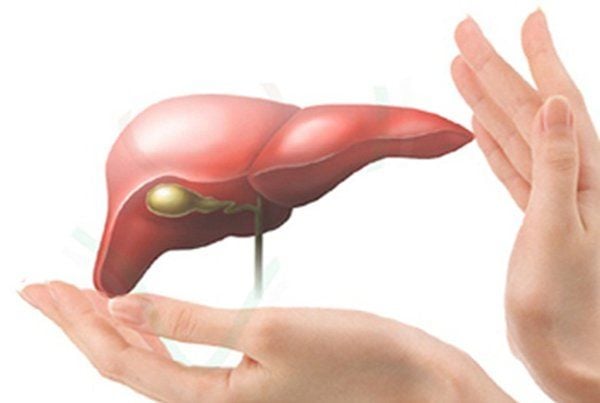
Because the liver performs hundreds of essential functions—including processing nutrients, producing proteins, regulating metabolism, and helping process bilirubin—certain liver disorders can also produce changes elsewhere in the body, including the lower legs and feet.
However, there is an important point to keep in mind: foot changes are not a reliable way to diagnose liver disease. Most of the signs discussed below have many possible causes, and some are far more commonly associated with circulation problems, diabetes, kidney disease, medications, skin conditions, or simple injuries.
Think of these signs as reasons to pay attention - not as proof that something is wrong with your liver.
Here are 15 foot and lower-leg changes worth knowing about.
1. Swollen Feet or Ankles
One of the more noticeable changes can be swelling around the feet and ankles, known as edema.
Advanced liver disease can contribute to fluid accumulation because of changes in blood proteins and circulation. Reduced albumin levels, for example, can contribute to fluid moving out of blood vessels and into surrounding tissues.
You may notice:
-
Shoes feeling tighter
-
Sock marks around the ankles
-
Puffy feet
-
Swelling that becomes more noticeable later in the day
However, swollen feet are extremely nonspecific.
They can also result from:
-
Sitting or standing for long periods
-
Heart problems
-
Kidney disease
-
Certain medications
-
Venous insufficiency
-
Pregnancy
Persistent or unexplained swelling deserves medical evaluation.
2. Swelling That Leaves a Dent
A particular type of swelling is called pitting edema.
If you gently press the swollen area with a finger for several seconds and a temporary indentation remains, fluid may have accumulated beneath the skin.
Pitting edema can occur with advanced liver disease, but it is also associated with several other medical conditions.
It's therefore not a liver-specific sign.
If swelling is new, persistent, or worsening, speak with a healthcare professional rather than trying to determine the cause yourself.
3. Yellowish Skin on the Feet
One of the most recognizable liver-related changes is jaundice, which can cause the skin and whites of the eyes to turn yellow.
The yellow color occurs when bilirubin accumulates in the body.
Because skin color varies naturally between individuals, jaundice can sometimes be easier to notice in the whites of the eyes than on the feet.
You may also notice:
-
Dark urine
-
Pale stools
-
Generalized yellowing
-
Fatigue
-
Abdominal discomfort
New unexplained yellowing should be evaluated by a healthcare professional.
4. Itchy Feet
Persistent itching can occur with certain liver and bile-duct disorders.
The medical term is pruritus.
Liver-related itching may occur without an obvious rash and can sometimes be particularly noticeable on the hands and feet.
But itchy feet are far more commonly caused by things such as:
-
Dry skin
-
Athlete's foot
-
Allergic reactions
-
Eczema
-
Insect bites
-
Irritating footwear
If itching is persistent, widespread, or accompanied by jaundice or other concerning symptoms, medical evaluation is appropriate.
5. Redness of the Feet
Red or unusually warm feet are not a classic sign of liver disease, but changes in skin appearance can sometimes accompany systemic health problems.
Redness can have many explanations, including:
-
Infection
-
Inflammation
-
Allergies
-
Excessive heat
-
Circulation problems
-
Skin disorders
If one foot suddenly becomes red, swollen, hot, and painful, seek medical attention because a skin or soft-tissue infection or blood clot may need to be ruled out.
6. Spider-Like Blood Vessels
You may notice small red blood vessels that radiate outward from a central point.
These are called spider angiomas or spider telangiectasias.
They are commonly found on the:
-
Face
-
Neck
-
Upper chest
-
Arms
They can occur in healthy people, especially during pregnancy, but multiple spider angiomas can also be associated with chronic liver disease.
Finding one small red vessel on your foot doesn't mean you have a liver problem.
A broader pattern of multiple lesions, particularly alongside other symptoms, is more relevant.
7. Changes in Nail Appearance
The nails can sometimes reflect broader health conditions.
Certain chronic liver disorders have been associated with nail changes such as:
-
Pale nail beds
-
Changes in nail color
-
Brittleness
-
Alterations in the nail shape
One notable finding is Terry's nails, in which most of the nail appears pale or white with a darker band near the tip.
Terry's nails can occur with liver disease but aren't specific to it. They can also be associated with other systemic conditions and sometimes occur with aging.
8. Pale or Unusually White Nail Beds
Healthy nails typically have a pinkish appearance because of the blood vessels beneath the nail.
If your toenails become unusually pale, several possibilities exist.
These can include:
-
Anemia
-
Poor circulation
-
Nutritional deficiencies
-
Chronic illness
-
Certain systemic diseases
Liver disease is only one possible explanation.
If nail changes affect multiple toes and persist after ruling out trauma or fungal infection, discuss them with a healthcare provider.
9. Easy Bruising Around the Feet and Ankles
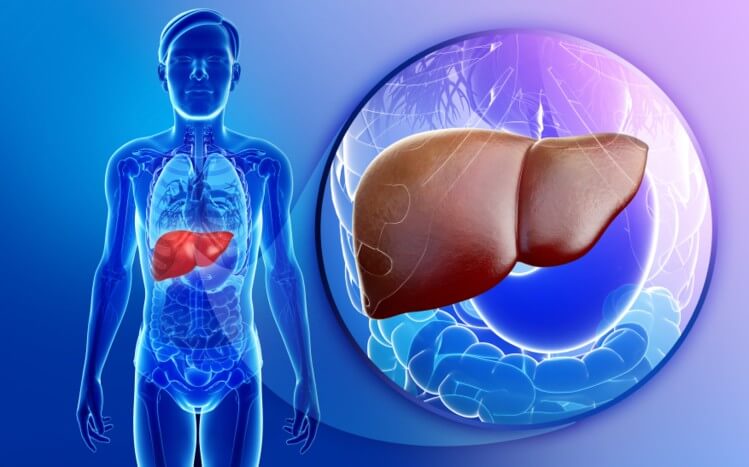
Liver disease can affect blood clotting in advanced stages because the liver produces many proteins required for normal coagulation.
As a result, some people may bruise more easily.
You might notice:
-
Bruises appearing without obvious injury
-
Larger bruises from minor bumps
-
Frequent nosebleeds
-
Bleeding gums
But easy bruising can also be caused by medications such as blood thinners, aging skin, nutritional deficiencies, or blood disorders.
New unexplained bruising should be evaluated rather than attributed automatically to the liver.
10. Slow-Healing Sores
A wound on the foot that takes unusually long to heal can be concerning.
However, this is more strongly associated with conditions such as:
-
Diabetes
-
Poor circulation
-
Peripheral artery disease
-
Infection
-
Neuropathy
Advanced liver disease can contribute indirectly to poor overall health and nutritional problems, but a non-healing foot wound should not be assumed to be a liver symptom.
Any foot wound that becomes increasingly red, painful, swollen, or produces discharge should receive medical attention.
11. Burning or Tingling Sensations
Burning, tingling, or numbness in the feet can occur when nerves are damaged.
This is called peripheral neuropathy.
Diabetes is one of the most common causes, but neuropathy can also result from:
-
Vitamin deficiencies
-
Alcohol-related nerve damage
-
Certain medications
-
Kidney disease
-
Neurological disorders
Because excessive alcohol consumption can contribute to both liver disease and nerve damage, the two problems can sometimes occur together.
Persistent numbness or burning should be evaluated to identify the actual cause.
12. Cold Feet
Cold feet can result from poor blood circulation, environmental temperature, anxiety, or simply spending time barefoot on a cold surface.
They aren't a specific indicator of liver disease.
However, if your feet are consistently cold along with:
-
Numbness
-
Pain when walking
-
Skin discoloration
-
Weak pulses
-
Slow-healing wounds
you should discuss the symptoms with a healthcare professional.
These signs may indicate a circulation problem.
13. Changes in Skin Color
Changes in pigmentation on the feet or ankles can have numerous causes.
For example:
-
Venous circulation problems can cause darker skin around the ankles.
-
Certain medications can affect pigmentation.
-
Chronic inflammation can alter skin appearance.
-
Nutritional problems can affect skin and nails.
Although liver disorders can sometimes alter skin color, localized pigmentation around the feet is not enough to suggest liver disease.
The location, pattern, duration, and other symptoms all matter.
14. Cracked or Extremely Dry Skin
Very dry, cracked feet are common, particularly during colder weather or in people who frequently use hot water.
Possible causes include:
-
Dry climate
-
Eczema
-
Psoriasis
-
Diabetes
-
Dehydration
-
Frequent washing
-
Harsh soaps
Liver disease isn't a common direct cause of dry feet.
However, systemic illness can sometimes affect skin health, especially when accompanied by nutritional deficiencies or advanced disease.
15. Sudden Changes in Swelling or Foot Size
If your feet or ankles suddenly become much larger, don't simply assume you've gained weight.
Sudden swelling can indicate fluid retention.
Depending on the circumstances, possible causes include:
-
Heart problems
-
Kidney disease
-
Liver disease
-
Medication side effects
-
Venous problems
-
Blood clots
Sudden swelling in one leg, especially when accompanied by pain, warmth, or redness, requires prompt medical evaluation because a blood clot may need to be ruled out.
Why Liver Problems Can Affect the Feet
The connection between the liver and the feet isn't always direct.
The liver helps regulate:
-
Blood proteins
-
Fluid balance
-
Hormones
-
Nutrient metabolism
-
Blood clotting
-
Bile production
When severe liver dysfunction occurs, these systems can become disrupted.
For example, reduced albumin production can contribute to fluid accumulation, while changes in blood clotting can increase bruising.
This is why advanced liver disease can produce signs throughout the body—not simply in the liver itself.
Other Signs of Liver Problems to Watch For
Foot changes become more meaningful when they occur together with other symptoms.
Potential signs of liver disease include:
Persistent Fatigue
Feeling unusually tired without an obvious explanation.
Loss of Appetite
A sustained decrease in appetite can occur with various liver conditions.
Nausea
Digestive symptoms may accompany liver dysfunction.
Abdominal Swelling
Fluid accumulation can cause the abdomen to become enlarged in advanced liver disease.
Dark Urine
Elevated bilirubin can make urine appear unusually dark.
Pale Stools
Reduced bile flow can sometimes produce pale or clay-colored stools.
Yellow Eyes or Skin
Jaundice is an important sign that requires medical evaluation.
Confusion
Advanced liver disease can affect brain function, leading to hepatic encephalopathy.
Why You Shouldn't Diagnose Liver Disease by Looking at Your Feet
It's tempting to search for a single physical sign that tells you whether your liver is healthy.
Unfortunately, medicine rarely works that way.
A swollen ankle doesn't automatically mean liver disease.
It may be:
-
Too much salt
-
A long day standing
-
A medication
-
A heart problem
-
A kidney problem
-
A circulation issue
Similarly, itchy feet may simply mean dry skin or a fungal infection.
This is why healthcare professionals consider the whole clinical picture.
How Doctors Evaluate Liver Health
If your symptoms raise concerns about liver disease, a doctor may recommend blood tests.
Common tests include:
-
ALT
-
AST
-
Alkaline phosphatase
-
Bilirubin
-
Albumin
-
GGT
-
Platelet count
Depending on the findings, imaging such as an ultrasound or elastography may also be recommended.
The exact tests depend on your symptoms, medical history, and risk factors.
Ways to Support Liver Health
Fortunately, many of the habits that support liver health also benefit your heart, brain, kidneys, and overall health.
Maintain a Healthy Weight
Excess body fat, particularly around the abdomen, is strongly associated with metabolic dysfunction-associated steatotic liver disease (MASLD).
If weight loss is appropriate for you, gradual and sustainable changes are generally more beneficial than crash diets.
Exercise Regularly
Regular physical activity can help improve:
-
Insulin sensitivity
-
Cardiovascular fitness
-
Body composition
-
Metabolic health
Walking, cycling, swimming, and strength training are all useful options.
Limit Alcohol
Excessive alcohol consumption can cause liver injury.
If you drink alcohol, moderation is important. People with certain liver conditions may be advised to avoid alcohol completely.
Eat a Balanced Diet
Emphasize:
-
Vegetables
-
Fruits
-
Whole grains
-
Legumes
-
Fish
-
Nuts
-
Healthy fats
-
Adequate protein
Limit excessive intake of highly processed foods and added sugars.
Be Careful With Supplements
Some herbal products and supplements can cause liver injury.
"Natural" does not automatically mean safe.
Tell your healthcare provider about supplements you take, particularly if you use multiple products.
When Should You See a Doctor?
Consider medical evaluation if you develop:
-
Persistent foot or ankle swelling
-
Yellow skin or eyes
-
Unexplained bruising
-
Persistent itching without a rash
-
Dark urine
-
Pale stools
-
Abdominal swelling
-
Unexplained fatigue
-
New numbness or burning in the feet
Seek urgent care for severe symptoms such as sudden confusion, vomiting blood, black stools, severe abdominal pain, or rapidly worsening jaundice.
:format(webp)/Viem_gan_B_2025_07_23_T212519_432_b22b1b2b86.jpg)
The Bottom Line
Your feet can sometimes reflect broader changes happening elsewhere in the body, but they cannot reliably diagnose liver disease. Swelling, jaundice, persistent itching, easy bruising, nail changes, and other unusual findings may occur in people with liver problems—but each of these signs has many possible explanations.
The most important thing is to look for persistent or multiple symptoms rather than focusing on a single change. If you notice unusual changes in your feet along with symptoms such as yellow eyes, dark urine, abdominal swelling, persistent fatigue, or unexplained bruising, it's worth speaking with a healthcare professional.
Protecting your liver doesn't require complicated detox routines. Maintaining a healthy weight, exercising regularly, eating a balanced diet, limiting alcohol, using medications responsibly, and avoiding unverified supplements are far more meaningful strategies.
Your feet may occasionally offer clues about your overall health, but when it comes to the liver, proper medical evaluation—not visual inspection alone—is the best way to know what's really happening.