Is Your Spleen Sending Warning Signs? Don’t Ignore These Symptoms
The Spleen may not get as much attention as the heart or lungs, but it plays a crucial role in keeping your body healthy. Tucked under your left rib cage, this small organ helps filter your blood, fight infections, and recycle old red blood cells.
When something goes wrong, your spleen doesn’t always make it obvious. But if you pay close attention, your body may send subtle signals that shouldn’t be ignored.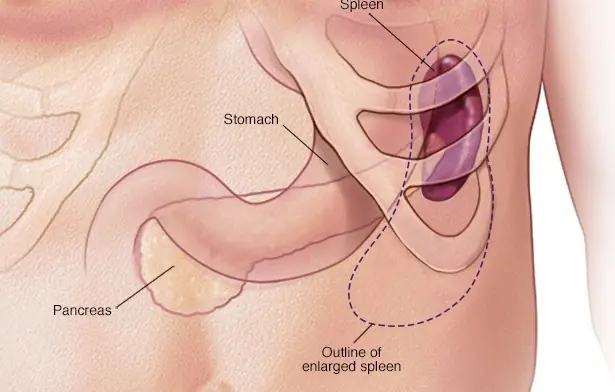
⚠️ 1. Pain in the Upper Left Abdomen
One of the earliest and most noticeable signs is discomfort or pain just below your left ribs. This pain may sometimes spread to your left shoulder and can become worse when you breathe deeply or move suddenly.
🍽️ 2. Feeling Full After Eating Very Little
If you feel full after just a few bites, it could be due to an enlarged spleen pressing against your stomach. This condition, known as Splenomegaly, can interfere with normal digestion.
😴 3. Ongoing Fatigue and Weakness
An unhealthy spleen can affect your blood cell balance. If too many red blood cells are broken down, it may lead to anemia—leaving you feeling tired, weak, and low on energy even after rest.
🦠 4. Getting Sick More Often
Because the spleen is part of your immune system, problems with it can make your body less effective at fighting infections. Frequent colds, fevers, or slow recovery times may be warning signs.
🩸 5. Easy Bruising or Bleeding
The spleen helps regulate platelets, which are essential for blood clotting. If it’s not working properly, you may notice that you bruise easily or bleed longer than usual from small cuts.
🌡️ 6. Fever or General Discomfort
Infections or inflammation affecting the spleen can lead to fever, chills, and an overall feeling of being unwell.
🚨 When It Becomes Serious
In some cases, spleen problems can turn into emergencies. A ruptured spleen can cause severe internal bleeding and requires immediate medical attention.
Seek urgent care if you experience:
- Sudden, intense abdominal pain
- Pain after a fall or injury
- Dizziness or confusion
- Rapid heartbeat or fainting
🥗 How to Protect Your Spleen

While not all spleen issues can be prevented, you can support your health by:
- Eating a balanced, nutrient-rich diet
- Avoiding excessive alcohol consumption
- Practicing good hygiene to prevent infections
- Using protective gear during sports or physical activities
✅ Final Thoughts
Your spleen may be small, but it plays a big role in your immune system and overall well-being. The symptoms are often subtle at first, but recognizing them early can make a significant difference.
If something doesn’t feel right, don’t ignore it—listen to your body and seek medical advice when needed.