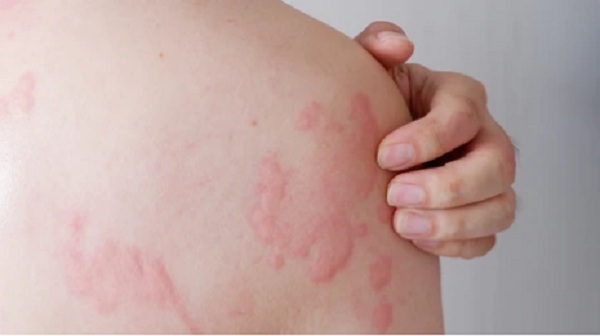
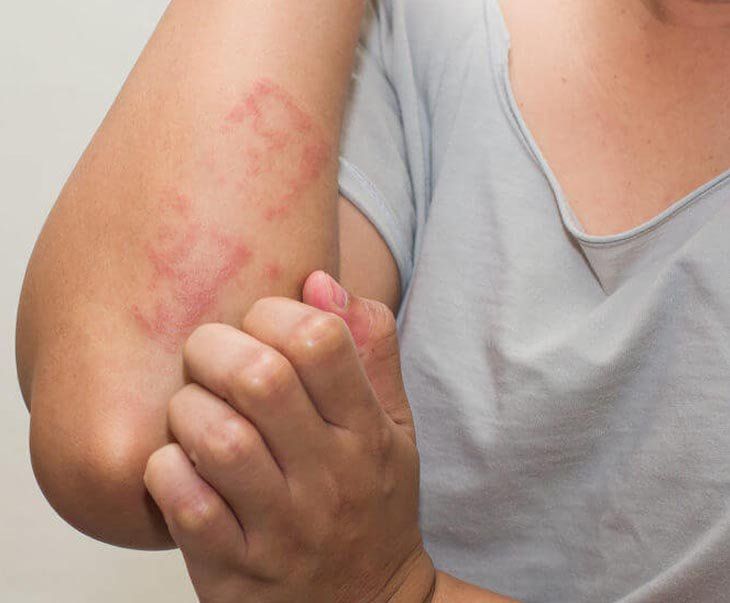
Hives, also known as urticaria, are a common skin reaction that can appear suddenly and disappear just as quickly. They often show up as raised, red, itchy welts on the skin, varying in size and shape. While many people associate hives with allergies, the reality is more complex. In many cases, the exact cause is not immediately obvious, and sometimes it may not be a traditional allergy at all.
Understanding the hidden triggers behind hives can help individuals better manage symptoms and avoid unnecessary discomfort. Let’s explore some of the less obvious causes that may be affecting your skin.
What Are Hives?
Hives occur when certain cells in the skin release histamine and other chemicals into the bloodstream. This release causes blood vessels to leak fluid, leading to swelling, redness, and itching.
Hives can be:
-
Acute, lasting a few hours or days
-
Chronic, persisting for weeks or even months
While they are often harmless, frequent or severe hives can significantly affect comfort and quality of life.
1. Stress and Emotional Triggers
One of the most overlooked causes of hives is stress.
When the body experiences emotional stress, it activates the nervous system and releases stress hormones. These changes can trigger the release of histamine, leading to skin reactions.
People may notice that hives appear during:
-
Periods of anxiety
-
High-pressure situations
-
Emotional distress
Even if there is no physical allergen involved, the body’s internal response to stress can be enough to cause visible skin symptoms.
2. Temperature Changes
Sudden changes in temperature can also trigger hives in some individuals.
There are different types of temperature-related hives, including:
-
Cold-induced hives, caused by exposure to cold air or water
-
Heat-induced hives, triggered by hot environments
-
Exercise-related hives, linked to increased body temperature
For some people, simply moving from a cold environment into a warm room can lead to a reaction.
3. Certain Foods (Even Healthy Ones)
While food allergies are a well-known cause of hives, some reactions are not true allergies but rather food sensitivities.
Foods that may trigger hives in sensitive individuals include:
-
Eggs
-
Dairy products
-
Nuts
-
Seafood
-
Certain fruits
Additionally, foods high in histamine or that promote histamine release—such as fermented foods or processed items—may also contribute to skin reactions.
Even healthy foods can cause hives in certain individuals, depending on how the body responds.
4. Medications and Supplements
Some medications can trigger hives as a side effect.
Common examples include:
-
Antibiotics
-
Pain relievers
-
Anti-inflammatory drugs
-
Certain supplements
In some cases, the body may react to a medication even if it has been used before without any problems.
If hives appear after starting a new medication, it may be helpful to consult a healthcare professional.
5. Pressure on the Skin
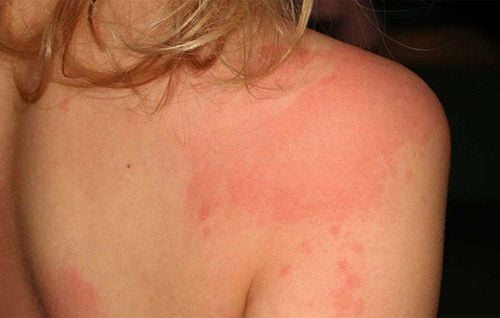
Physical pressure on the skin can sometimes cause a type of hives known as dermatographism.
This can occur when:
-
Wearing tight clothing
-
Carrying heavy bags
-
Sitting or lying in one position for too long
The skin may develop raised lines or welts in response to pressure or friction.
This type of reaction is often temporary but can be surprising for those experiencing it for the first time.
6. Infections and Illness
In some cases, hives may be linked to underlying infections or illnesses.
Viral infections, in particular, are known to trigger immune responses that can lead to skin reactions. Even mild illnesses, such as a cold, may sometimes be associated with hives.
The immune system’s activity during illness can increase histamine release, resulting in temporary skin symptoms.
7. Environmental Factors
Everyday environmental exposures can also contribute to hives.
Possible triggers include:
-
Dust
-
Pollen
-
Animal dander
-
Chemicals in soaps or detergents
Even changes in skincare products or laundry detergents can sometimes lead to skin irritation.
Identifying these triggers may require careful observation of when symptoms appear.
8. Unknown Causes (Idiopathic Hives)
In many cases, the exact cause of hives cannot be identified. This is known as idiopathic urticaria.
For some individuals, hives may appear without a clear reason, even after careful evaluation. While this can be frustrating, it is a common situation.
Managing symptoms and tracking patterns may still help reduce the frequency of outbreaks.
How to Manage and Prevent Hives
Although hives can be unpredictable, there are several steps that may help reduce their occurrence:
-
Identify and avoid known triggers
-
Manage stress through relaxation techniques
-
Wear loose, comfortable clothing
-
Avoid extreme temperature changes
-
Use gentle skincare products
-
Maintain a balanced diet
Keeping a symptom diary can also help identify patterns over time.
When to Seek Medical Advice
Most cases of hives are mild and resolve on their own. However, medical attention may be necessary if:
-
Hives persist for an extended period
-
Symptoms worsen or become more frequent
-
Swelling affects the face, lips, or throat
-
Breathing difficulties occur
These symptoms may indicate a more serious reaction that requires immediate care.
Final Thoughts
Hives are a common but often misunderstood skin condition. While allergies are a well-known cause, many hidden triggers—such as stress, temperature changes, medications, and environmental factors—can also play a role.
Understanding these potential triggers can help individuals better manage their symptoms and reduce the likelihood of future outbreaks.
Sometimes, the body sends signals through the skin that reflect internal or external changes. By paying attention to these signals and making small adjustments, it is possible to keep the skin healthier, calmer, and more comfortable over time.