Shrimp is a nutritious and valuable seafood, but if you buy shrimp injected with chemicals, spoiled shrimp, or shrimp that has been frozen for a long time, it will not only be an economic loss but also pose a risk to your health.
The secret to choosing is to look at their shape, because that is a sign of whether the shrimp is delicious and clean or shrimp injected with impurities.
1. Observe whether the shrimp's tail is spread out or folded
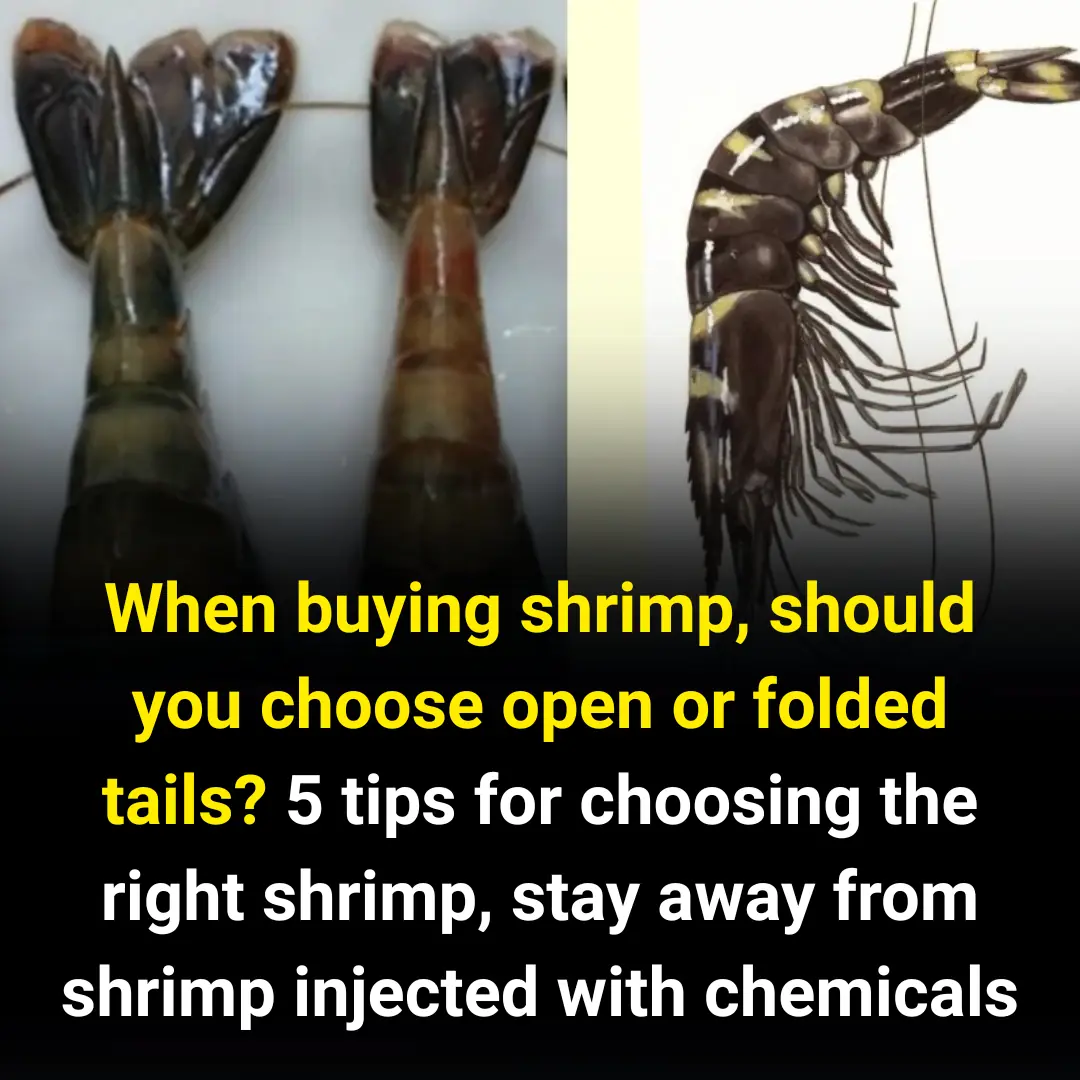
A small but extremely important detail to identify whether the shrimp is delicious or not is whether the tail is spread out or folded. Normally, fresh and clean shrimp often have a folded tail. When shrimp are injected with chemicals or impurities to increase their weight, the tail often spreads out due to the pressure of the filler inside.
Therefore, when buying, pay close attention to the shrimp's tail. The media has reported many times about shrimp being injected with impurities to increase their weight. Shrimp injected with impurities not only loses its delicious taste, but also poses a risk of bacterial infection, adversely affecting the health of consumers.
2. Straight or curved shrimp - which is fresher?
When shrimp are alive, their muscles work continuously to be able to jump. If the shrimp are impacted, they will naturally react by shrinking. Meanwhile, shrimp that have been dead for a long time or frozen often have a straight shape. When the shrimp muscles are no longer elastic, the shrimp body remains straight, not curved like live shrimp.
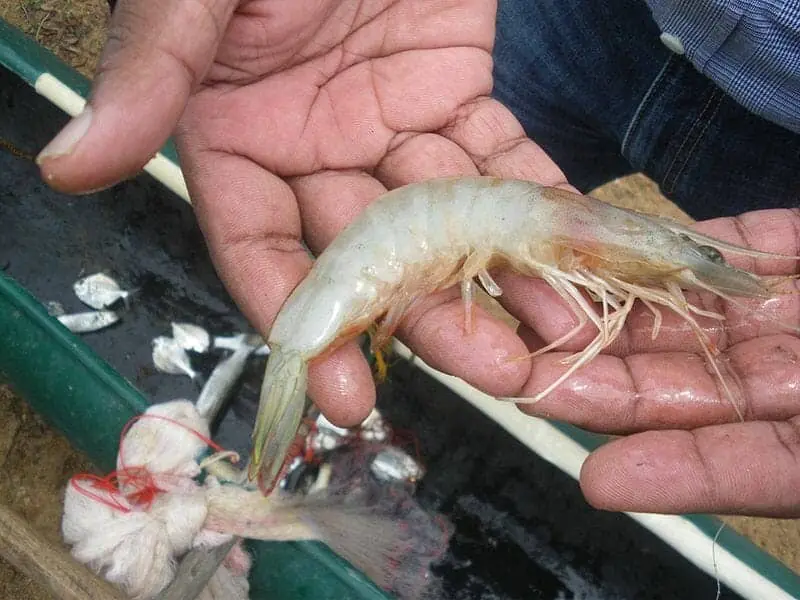
In addition, straight shrimp often have a strong fishy smell, bland taste, the meat is no longer firm and is often loose when processed. Meanwhile, live or freshly caught shrimp have a naturally curved body, firm meat, when processed retain a characteristic sweet taste, chewy and more fragrant.
Choose shrimp with curved bodies to show that they are fresh, or if dead, they are newly dead.
3. Avoid buying shrimp with falling heads
One of the easy-to-recognize signs that shrimp are no longer fresh is that the head and tail have fallen off. Spoiled shrimp or shrimp that have been left for a long time often have their heads falling off and their tails becoming soft and mushy because the joints between them have decomposed. With this type of shrimp, many sellers will often peel the shell to make it look like a soft shrimp, to hide the lack of freshness.
If you buy a soft shrimp, pay attention to the base of the head - an area that is often prone to ulcers or softness if the shrimp has been dead for a long time. These shrimp are often sold at a cheap price but will not be sweet to eat, the meat will be loose and have a fishy smell. More dangerously, the protein in the shrimp has changed and can produce toxins if left for a long time without proper storage conditions.
4- Color of the shrimp shell - don't choose the wrong one because of its beauty
Fresh shrimp are usually ivory, gray, blue or brown depending on the type. But if you see unusual red patches on the shrimp shell, be careful. This is a sign that the shrimp has been affected by high temperatures, possibly due to sun exposure or improper storage, not enough ice.

Shrimp that turns red when not cooked is a sign that they are no longer fresh and no longer retain their original delicious taste. When cooked, this type of shrimp often loses its sweetness, the meat is mushy and has a strange smell.
Shrimp that is too pale and limp also shows that the shrimp has been dead for a long time. Choose shrimp with an even shell color, not patchy, not turning an unusual red color.
5. Is it firm to the touch?
Another important criterion when choosing shrimp is the firmness of the meat. Fresh shrimp will feel firm when picked up, the meat will be tight, not soft and mushy. If you find the shrimp soft and loose, it is likely that it is spoiled shrimp or young shrimp.
Young shrimp often have bland meat, not tough, when cooked will release water and easily fall apart. Spoiled shrimp not only loses its delicious taste but can also affect your health if eaten.
If you feel the shrimp shell is tight but the inside is not firm and the shrimp tail is wide, it may be the shrimp injected with impurities, so it is tight but not firm.
Quick test tip: Use your hand to gently press on the shrimp body, if it feels good elasticity, the shrimp is fresh, if it is soft and mushy, you should not buy it.
Choosing to buy shrimp seems simple but in fact requires a certain level of intelligence and understanding. With just a few small tips such as observing the shape of the shrimp body, checking the head and tail, shell color, firmness of the meat and tail shape, you can easily distinguish between fresh and delicious shrimp and shrimp that are spoiled or injected with impurities. Choosing the right one not only makes the dish more delicious but also ensures the health of the whole family.