Have you ever noticed that your stomach feels uneasy when you're nervous, your heart beats faster when you're frightened, or your shoulders become tense after a stressful day?
These experiences are more than coincidence.
The mind and body are closely connected, and emotional experiences can influence physical processes in ways we may notice almost immediately. Stress, worry, excitement, sadness, anger, and fear can all produce physical sensations because the brain communicates constantly with the nervous system, hormones, muscles, heart, digestive system, and immune system.
Understanding this connection doesn't mean that every physical symptom is "just in your head." Quite the opposite. Emotional experiences can produce real physical changes, while physical health can also influence mood and emotional well-being.
Let's take a closer look at how this fascinating relationship works.
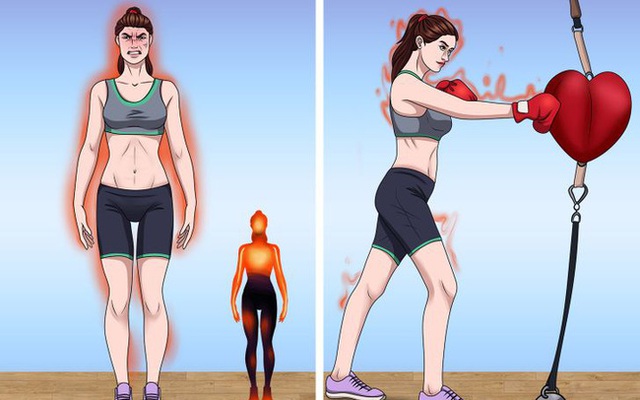
What Is the Mind-Body Connection?
The mind-body connection describes the relationship between emotional or psychological experiences and physical processes in the body.
Your brain isn't an isolated organ that deals only with thoughts and emotions. It continuously communicates with the rest of your body.
When you experience a stressful situation, for example, your brain can activate the body's stress response. Your heart rate may increase, your muscles may tighten, your breathing may change, and your attention may become more focused on potential threats.
These reactions are designed to help you respond to challenges.
The problem can arise when stress becomes frequent or prolonged.
Instead of experiencing a short burst of stress followed by recovery, the body may repeatedly activate these systems. Over time, that can contribute to fatigue, muscle tension, sleep difficulties, digestive discomfort, and other physical symptoms.
Stress Can Have a Physical Impact
Stress is one of the clearest examples of the mind-body connection.
Imagine you're preparing for an important presentation.
You may notice your palms becoming sweaty, your stomach tightening, your heart beating faster, or your mouth becoming dry.
Nothing physically attacked you.
Yet your body responded as though you needed to prepare for immediate action.
This happens because the brain interprets the situation as important or potentially threatening and activates physiological responses that help you cope.
Once the stressful situation ends, these systems generally begin returning toward normal.
But if stressful situations continue day after day, your body may have fewer opportunities to fully recover.
Why Anxiety Can Feel So Physical
Anxiety isn't only an emotional experience.
It can produce very noticeable physical sensations.
Someone experiencing anxiety may notice:
-
A racing heartbeat
-
Muscle tension
-
Sweating
-
Shallow or rapid breathing
-
Stomach discomfort
-
Headaches
-
Fatigue
-
Difficulty concentrating
-
Sleep problems
These symptoms can sometimes create a frustrating cycle.
You notice an unusual physical sensation.
You become worried about what it means.
That worry increases your anxiety.
Your body responds to the increased anxiety.
The physical sensation becomes stronger.
And the cycle continues.
Learning to recognize this pattern can be useful, although persistent or unexplained physical symptoms should not automatically be attributed to anxiety.
Your Digestive System Is Especially Sensitive
The digestive system is closely connected with the nervous system.
That's why strong emotions can sometimes affect your stomach and intestines.
Before an important event, you might suddenly lose your appetite.
During a stressful period, you may experience stomach discomfort or changes in bowel habits.
When you're extremely nervous, you might even feel nauseated.
This doesn't mean the symptoms aren't real.
The brain and digestive system communicate through complex pathways involving the nervous system, hormones, and other biological signals.
This relationship is sometimes described through the gut-brain connection.
Your emotional state can influence digestion, while gastrointestinal discomfort can also affect mood and overall well-being.
Emotional Stress Can Affect Sleep
Sleep is another area where emotions and physical health intersect.
If you've ever gone to bed while worrying about something, you probably know how difficult it can be to quiet your thoughts.
You may replay conversations, anticipate tomorrow's problems, or repeatedly think about something that happened earlier in the day.
That mental activity can make it harder to relax.
Stress can also contribute to changes in sleep patterns.
And poor sleep can make emotional regulation more difficult the following day.
You may become more irritable, less focused, or more sensitive to everyday frustrations.
This creates another potential cycle:
Stress affects sleep → poor sleep affects mood → lower emotional resilience makes stress harder to manage.
That's why protecting sleep is an important part of both physical and emotional health.

Emotions Can Influence Muscle Tension
Have you ever realized that you're clenching your jaw or raising your shoulders without noticing?
Stress can cause muscles to remain tense.
Some people carry tension primarily in the neck and shoulders. Others notice it in their jaw, back, or forehead.
If muscle tension persists, it can contribute to discomfort and headaches.
Simple relaxation practices—such as stretching, controlled breathing, walking, or taking regular breaks—may help the body shift out of a prolonged state of tension.
The goal isn't to eliminate stress completely.
That's unrealistic.
Instead, it's about giving your nervous system opportunities to recover after stressful experiences.
Anger Can Create Strong Physical Reactions
Anger is another emotion that can produce noticeable bodily changes.
During intense anger, the body may become more activated.
Your heart may beat faster.
Your muscles may tighten.
Your breathing may become quicker.
You may feel hot or restless.
These responses are part of the body's broader stress-response system.
Occasional anger is a normal human emotion.
The concern is when intense anger becomes frequent, persistent, or difficult to control.
Finding healthy ways to process anger—such as physical activity, taking a pause before responding, talking with someone you trust, or using relaxation techniques—can support emotional well-being.
Sadness Can Affect Your Energy
Emotional experiences don't always produce dramatic physical reactions.
Sometimes their effects are much quieter.
During periods of sadness, people may experience reduced energy, changes in appetite, disrupted sleep, or less motivation to participate in activities they normally enjoy.
These experiences can affect everyday routines.
You may move less, socialize less, eat differently, or sleep at unusual times.
Those physical and behavioral changes can then influence how you feel emotionally.
This demonstrates an important point:
The mind affects the body, and the body can affect the mind in return.
The relationship works in both directions.
Positive Emotions Matter Too
The mind-body connection isn't exclusively about negative emotions.
Positive experiences can also influence how we feel physically.
Laughter, connection with other people, enjoyable activities, relaxation, and a sense of purpose can contribute to overall well-being.
Think about how your body feels after spending time with someone you genuinely enjoy.
You may feel more relaxed.
Your breathing may slow.
Your muscles may loosen.
You may even notice that physical discomfort feels less prominent because your attention has shifted.
Positive emotions don't make someone immune to illness, but emotional well-being is an important component of a healthy life.
Social Connection Can Support Well-Being
Humans are social creatures.
Supportive relationships can provide emotional security and help people cope with difficult situations.
Talking with a trusted friend, spending time with family, joining a community, or participating in meaningful activities can all provide opportunities for connection.
Social connection doesn't eliminate stress.
Instead, it can make stressful experiences feel more manageable.
Sometimes simply being able to say, "I'm having a difficult time," to someone who listens without judgment can make an enormous difference.
The Body Also Sends Signals to the Brain
The mind-body connection works in the opposite direction, too.
Your physical condition can influence your emotional state.
Consider what happens when you're exhausted.
You may become impatient more easily.
When you're hungry, your mood may change.
When you're physically uncomfortable, concentrating can become harder.
When you're sick, you may feel less motivated and more emotionally vulnerable.
This is why emotional well-being shouldn't be separated completely from physical health.
Eating adequately, moving regularly, sleeping well, and taking care of medical needs can all support your ability to cope emotionally.
Don't Assume Every Symptom Is Caused by Stress
This is an extremely important distinction.
Because stress can cause physical symptoms, people sometimes make the mistake of assuming that every unexplained symptom must be psychological.
That's not safe.
Chest pain, significant shortness of breath, fainting, severe abdominal pain, neurological symptoms, unexplained weight changes, persistent fatigue, or other concerning symptoms may have medical causes that require evaluation.
Stress can affect the body, but that doesn't mean the body should be ignored.
If a symptom is new, severe, persistent, worsening, or concerning, speak with a qualified healthcare professional.
Simple Ways to Support the Mind-Body Connection
You don't need to completely transform your life to begin supporting your emotional and physical well-being.
Small, consistent habits can make a difference.
Prioritize sleep
Try to maintain a regular sleep schedule and create a relaxing environment before bedtime.
Move your body
Walking, stretching, cycling, swimming, or other enjoyable activities can help support both physical and emotional health.
Practice slow breathing
Taking several slow, comfortable breaths can provide a simple opportunity to pause and relax.
Eat regularly
A balanced eating pattern provides your body with energy and nutrients it needs.
Spend time with supportive people
Healthy social connections can provide emotional support during stressful periods.
Take breaks
Constantly moving from one responsibility to another without rest can leave you feeling mentally and physically drained.
Even short breaks can provide an opportunity to reset.
Mindfulness Can Help You Notice What's Happening
Mindfulness doesn't require anything complicated.
It can simply mean paying attention to what's happening in the present moment without immediately judging it.
For example, you might pause and notice:
"My shoulders are tense."
"My breathing is shallow."
"I'm worrying about something that hasn't happened yet."
That awareness can be valuable.
Instead of automatically reacting to every thought or sensation, you create a small space between the experience and your response.
For some people, practices such as meditation, breathing exercises, journaling, or gentle movement can help develop this awareness.
Don't Forget Professional Support
Sometimes emotional difficulties become too significant to manage alone.
If stress, anxiety, sadness, or other emotional challenges are interfering with sleep, relationships, work, daily activities, or your ability to function, professional support can be appropriate.
A doctor, psychologist, therapist, or other qualified healthcare professional can help determine what may be contributing to your symptoms and what type of support could be useful.
Seeking help isn't a sign of weakness.
It's another way of taking care of your health.
Your Emotions Are Part of Your Health
For a long time, people sometimes treated emotional health and physical health as completely separate subjects.
Modern understanding is much more interconnected.
Your brain communicates with your body constantly.
Your emotional experiences can influence your heart rate, breathing, muscle tension, digestion, sleep, energy, and behavior.
At the same time, your physical condition can influence your mood, stress tolerance, concentration, and emotional resilience.
That doesn't mean you can simply "think yourself healthy."
It means that emotional well-being deserves a place alongside physical health.

The Bottom Line
The mind-body connection is a reminder that health isn't divided neatly into separate boxes.
Stress can affect the body. Emotions can influence physical sensations. Sleep can affect mood. Physical activity can support emotional well-being. And supportive relationships can help us cope with life's challenges.
The goal isn't to avoid every negative emotion.
Fear, sadness, frustration, anger, and stress are normal parts of being human.
The goal is to recognize how those experiences affect you and develop healthy ways to respond.
Pay attention to your body.
Take your emotions seriously.
Give yourself opportunities to rest and recover.
And when physical or emotional symptoms become persistent or concerning, don't try to explain everything away - get the appropriate professional support.
Sometimes, taking care of your body begins with taking care of your mind. And sometimes, taking care of your mind begins with listening carefully to what your body is trying to tell you.