When Fat Invades and Des.troys the Liv.er, the Body Swells in 5 Areas — Even One Is a Red Flag
Swelling in certain parts of the body can be a warning sign that the liver is being severely damaged by fat accumulation.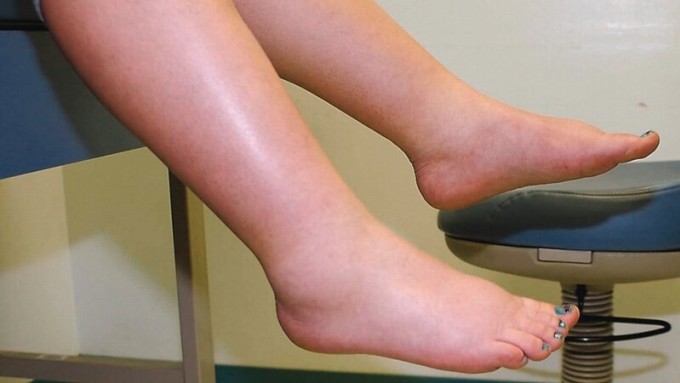
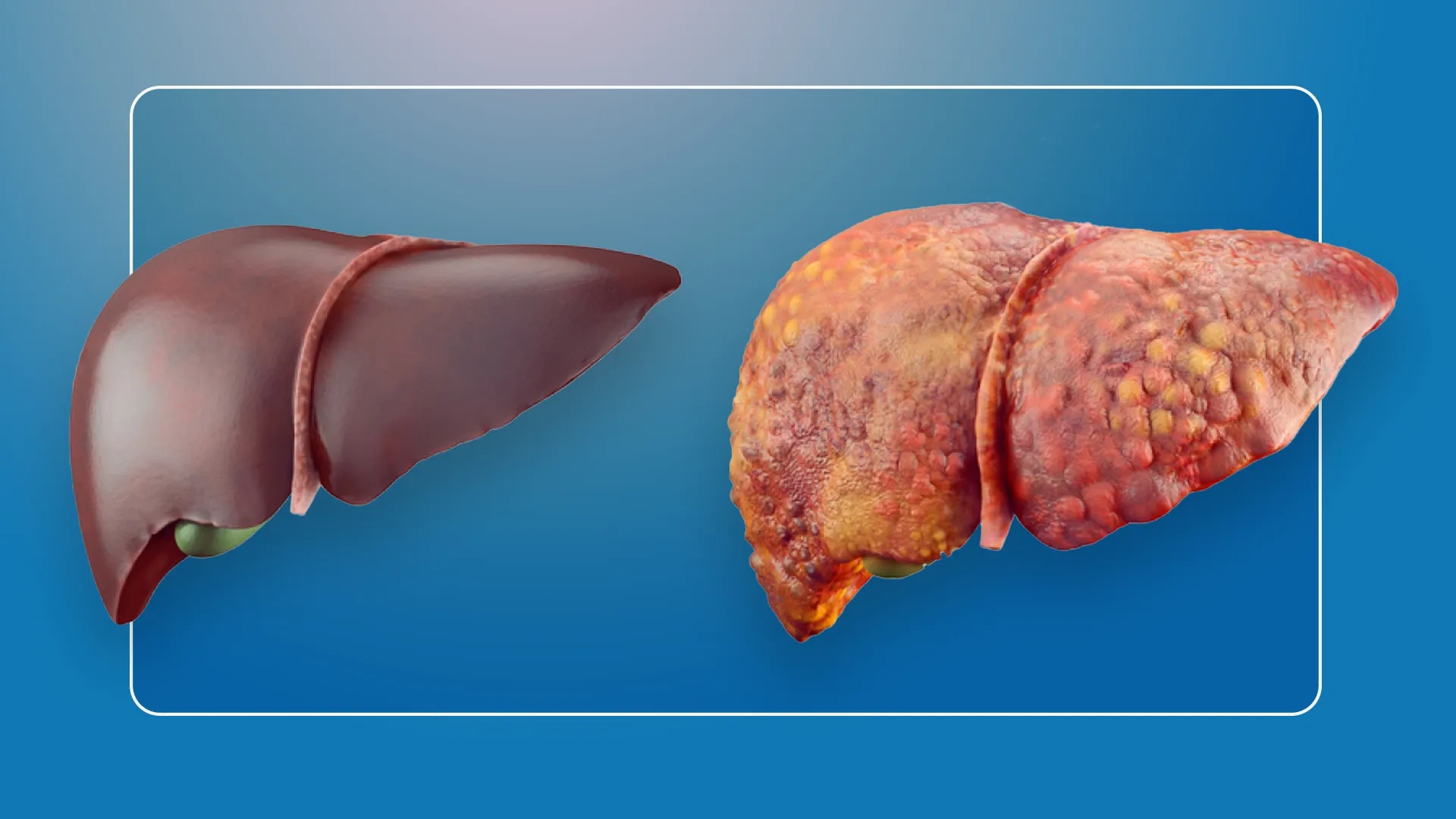
Fatty liver disease occurs when too much fat builds up in the liver. It’s often linked to unhealthy lifestyle habits, such as an unbalanced diet, lack of physical activity, being overweight or obese.
In its early stages, fatty liver usually shows no clear symptoms and rarely causes complications. However, if left unmanaged, it can progress into cirrhosis — a form of permanent liver damage.
5 Types of Swelling That May Signal Cirrhosis from Fatty Liver
Cirrhosis is the result of years of liver damage caused by fatty liver disease, leading to scarring (fibrosis) and gradual shrinkage of the liver. Without timely diagnosis and treatment, cirrhosis can progress into liver failure or liver cancer.
According to the Express, cirrhosis can cause swelling in five areas of the body:
-
Shins
-
Ankles
-
Feet
-
Abdomen
-
Fingers
This swelling occurs when increased pressure in the liver’s veins — due to reduced liver function — obstructs normal blood flow. Over time, this affects kidney function as well. When the kidneys can no longer eliminate excess salt, fluids accumulate in these areas, resulting in edema (fluid retention).
Can Cirrhosis Be Cured?
Cirrhosis causes permanent scarring of the liver and cannot be fully reversed. However, treatment can slow its progression, prevent further damage, and manage symptoms — depending on the underlying cause and the patient’s response to treatment.
Treatment Approaches for Cirrhosis:
1. Treating the Underlying Cause
-
Medications for liver disease: Depending on the liver condition, doctors may prescribe different drugs. For example:
-
Antiviral medications for hepatitis B and C.
-
Corticosteroids or immunosuppressants for autoimmune liver diseases.
-
-
Alcohol-related cirrhosis: If alcohol or toxic substances are the cause, complete abstinence is key.
-
Managing metabolic syndrome: In cases of non-alcoholic fatty liver disease (NAFLD), controlling blood lipids, blood sugar, and body weight is crucial. Some patients may need medications to support this.
2. Lifestyle and Diet Changes
-
Avoid alcohol completely.
-
Follow a healthy, balanced diet.
-
Take nutritional supplements as directed by a healthcare provider to help maintain liver function.
3. Treating Complications
After a diagnosis of cirrhosis, patients are monitored and treated for complications. Based on severity, doctors may recommend:
-
Endoscopic banding or sclerotherapy to prevent esophageal bleeding.
-
Paracentesis (draining fluid from the abdomen).
-
Blood transfusions if gastrointestinal bleeding occurs.
-
Dialysis in cases of kidney failure.
-
Cancer treatment if malignant liver cells are found.
4. Liver Transplant
A liver transplant is the last-resort treatment for:
-
Decompensated liver failure
-
Liver cancer
-
Or when other treatments no longer work
Conclusion:
Even a single sign of swelling in any of the five areas mentioned should not be ignored. Early medical attention can significantly improve outcomes. If you or a loved one notices persistent or unexplained swelling, especially alongside fatigue or digestive issues, it's vital to seek medical evaluation promptly.