For many women, menstrual cramps are considered a normal part of the monthly cycle. Mild discomfort, lower abdominal pressure, and occasional cramping are common experiences during menstruation. However, for some individuals, period pain goes far beyond what most people would consider normal.
Severe menstrual pain can interfere with work, school, exercise, sleep, and everyday activities. In some cases, the pain becomes so intense that it causes nausea, dizziness, vomiting, fatigue, or difficulty standing upright. Despite how common these experiences are, severe menstrual pain is often misunderstood, minimized, or dismissed as something women simply have to endure.
Modern research and growing awareness are helping healthcare professionals better understand severe menstrual pain and its impact on quality of life. Recognizing when cramps may indicate an underlying condition is an important step toward proper diagnosis and treatment.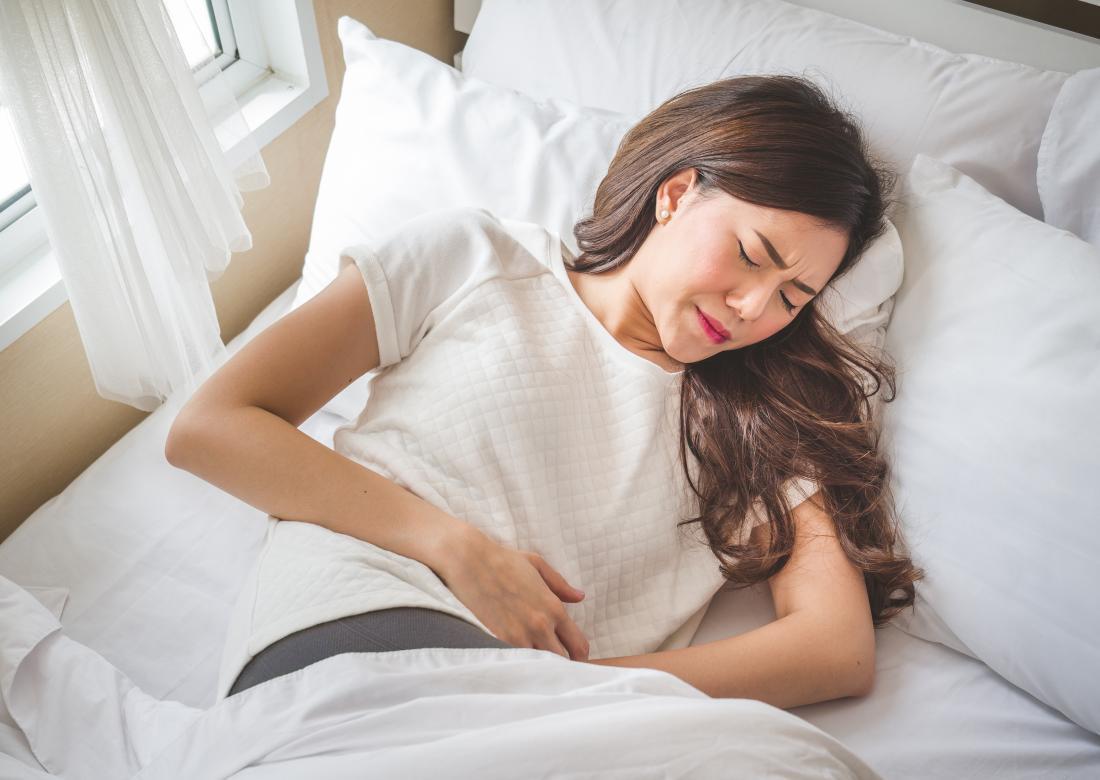
What Are Menstrual Cramps?
Menstrual cramps, also known as dysmenorrhea, are pains that occur before or during menstruation.
Why Do Cramps Happen?
During menstruation, the uterus contracts to help shed its lining.
These Contractions Are Triggered By
-
Hormone-like substances called prostaglandins
Higher levels of prostaglandins are often associated with stronger uterine contractions and more severe pain.
Common Symptoms Include
-
Lower abdominal pain
-
Pelvic pressure
-
Lower back pain
-
Thigh pain
-
Cramping sensations
For many women, symptoms are manageable and last only a few days.
When Does Period Pain Become Severe?
Not all menstrual cramps are the same.
Severe Menstrual Pain May
-
Prevent normal daily activities
-
Cause missed work or school
-
Require regular pain medication
-
Disrupt sleep
-
Interfere with exercise and social activities
If menstrual pain consistently affects quality of life, it deserves medical attention.
Understanding Primary Dysmenorrhea
Primary dysmenorrhea refers to menstrual pain that occurs without an underlying medical condition.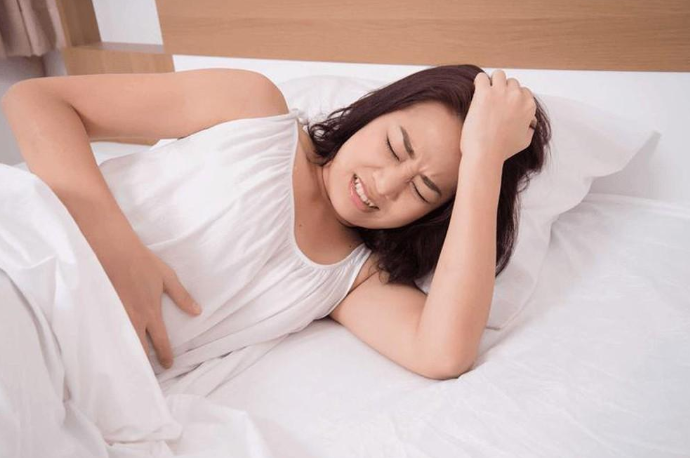
Characteristics Include
-
Pain beginning shortly before menstruation
-
Pain lasting one to three days
-
Symptoms recurring with each cycle
This type of menstrual pain is extremely common.
Researchers Believe
Elevated prostaglandin levels play a major role.
Understanding Secondary Dysmenorrhea
Secondary dysmenorrhea occurs when menstrual pain is linked to an underlying health condition.
Common Causes Include
-
Endometriosis
-
Adenomyosis
-
Uterine fibroids
-
Pelvic inflammatory disease
Pain associated with secondary dysmenorrhea often becomes progressively worse over time.
Endometriosis: A Frequently Overlooked Cause
One of the most common causes of severe menstrual pain is endometriosis.
What Is Endometriosis?
Endometriosis occurs when tissue similar to the uterine lining grows outside the uterus.
Common Locations Include
-
Ovaries
-
Fallopian tubes
-
Pelvic tissues
Symptoms May Include
-
Severe menstrual cramps
-
Chronic pelvic pain
-
Pain during intercourse
-
Digestive symptoms
-
Fertility challenges
Many individuals wait years before receiving a diagnosis.
Adenomyosis and Menstrual Pain
Adenomyosis occurs when tissue similar to the uterine lining grows into the muscular wall of the uterus.
Possible Symptoms Include
-
Heavy menstrual bleeding
-
Enlarged uterus
-
Severe cramping
-
Pelvic pressure
Symptoms may become more noticeable with age.
Uterine Fibroids
Fibroids are noncancerous growths that develop within or around the uterus.
Depending on Their Size and Location
Fibroids may contribute to:
-
Heavy bleeding
-
Pelvic pain
-
Pressure symptoms
-
Painful menstruation
Many women with fibroids experience no symptoms, while others develop significant discomfort.
Why Severe Period Pain Should Not Be Ignored
For many years, severe menstrual pain was often normalized.
Women Were Frequently Told
-
"It's just part of being a woman."
-
"Everyone has cramps."
-
"You'll get used to it."
However, healthcare professionals increasingly recognize that debilitating menstrual pain deserves evaluation.
Pain severe enough to disrupt daily life is not something that should automatically be considered normal.
Symptoms That May Accompany Severe Menstrual Pain
Period pain can involve much more than cramping.
Additional Symptoms May Include
-
Nausea
-
Vomiting
-
Diarrhea
-
Headaches
-
Fatigue
-
Dizziness
-
Fainting sensations
These symptoms may vary from cycle to cycle.
How Menstrual Pain Affects Daily Life
The impact of severe menstrual pain extends beyond physical discomfort.
Many Women Report
-
Reduced productivity
-
Missed classes
-
Missed workdays
-
Difficulty exercising
-
Sleep disruption
The emotional effects can also be significant.
Emotional and Mental Health Impact
Living with recurring severe pain can affect emotional well-being.
Possible Effects Include
-
Stress
-
Anxiety
-
Frustration
-
Social withdrawal
Managing chronic symptoms often requires both physical and emotional support.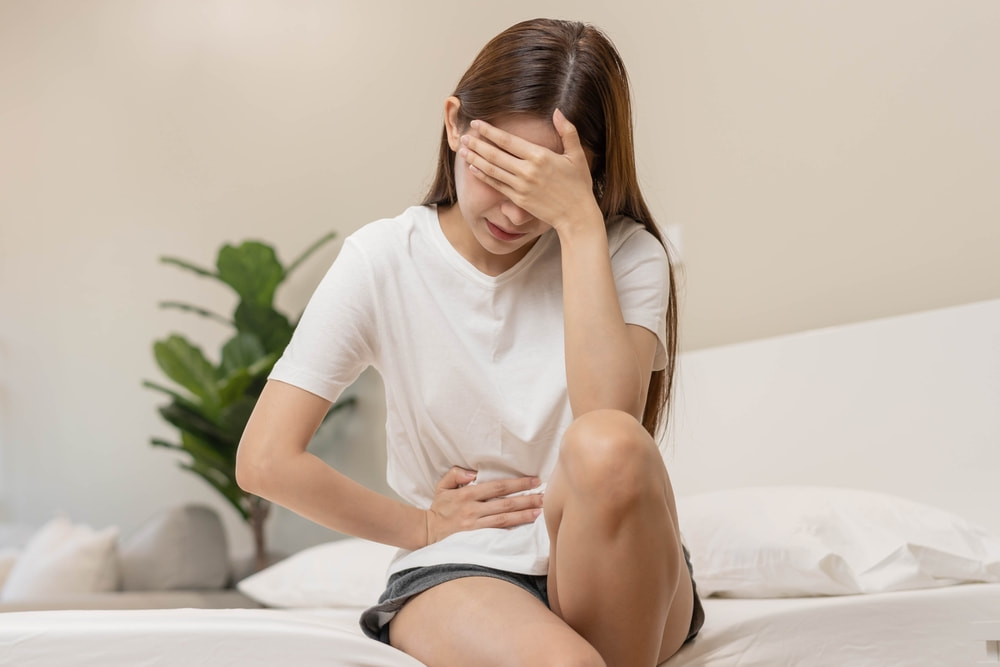
How Doctors Evaluate Severe Menstrual Pain
Diagnosis typically begins with a medical history and physical examination.
Healthcare Providers May Ask About
-
Pain severity
-
Symptom timing
-
Menstrual patterns
-
Family history
-
Associated symptoms
Additional testing may sometimes be recommended.
Possible Diagnostic Tools
-
Pelvic examination
-
Ultrasound
-
MRI
-
Laparoscopy in selected cases
The goal is to identify or rule out underlying conditions.
Treatment Options
Treatment depends on the cause and severity of symptoms.
Lifestyle Approaches
Some individuals find relief through:
Strategies Such As
-
Regular exercise
-
Heat therapy
-
Stress management
-
Adequate sleep
Lifestyle measures may complement medical treatment.
Medications
Healthcare providers may recommend medications to help manage symptoms.
Examples Include
-
Nonsteroidal anti-inflammatory drugs (NSAIDs)
-
Hormonal therapies
-
Other individualized treatments
Treatment plans should always be guided by a healthcare professional.
Heat Therapy
Applying heat to the lower abdomen is one of the most commonly used self-care approaches.
Heat May Help
-
Relax muscles
-
Improve comfort
-
Reduce cramping sensations
Many people find heating pads or warm baths beneficial.
Exercise and Menstrual Pain
Although exercise may seem difficult during painful periods, some research suggests physical activity may help improve symptoms for certain individuals.
Potential Benefits Include
-
Improved circulation
-
Stress reduction
-
Endorphin release
The best approach depends on personal comfort and symptom severity.
Common Myths About Period Pain
Myth 1: Severe Period Pain Is Always Normal
Debilitating pain deserves medical evaluation.
Myth 2: Period Pain Is "Just in Your Head"
Menstrual pain has real biological causes.
Myth 3: Young Women Can't Have Serious Gynecological Conditions
Conditions such as endometriosis can affect teenagers and young adults.
Myth 4: Pregnancy Always Solves Menstrual Pain
There is no guarantee that pregnancy will eliminate menstrual symptoms.
When Should You See a Doctor?
Consider seeking medical advice if:
Your Menstrual Pain
-
Interferes with daily activities
-
Is worsening over time
-
Does not respond to typical treatments
-
Is accompanied by unusually heavy bleeding
-
Occurs outside of menstruation
Early evaluation may help identify treatable conditions.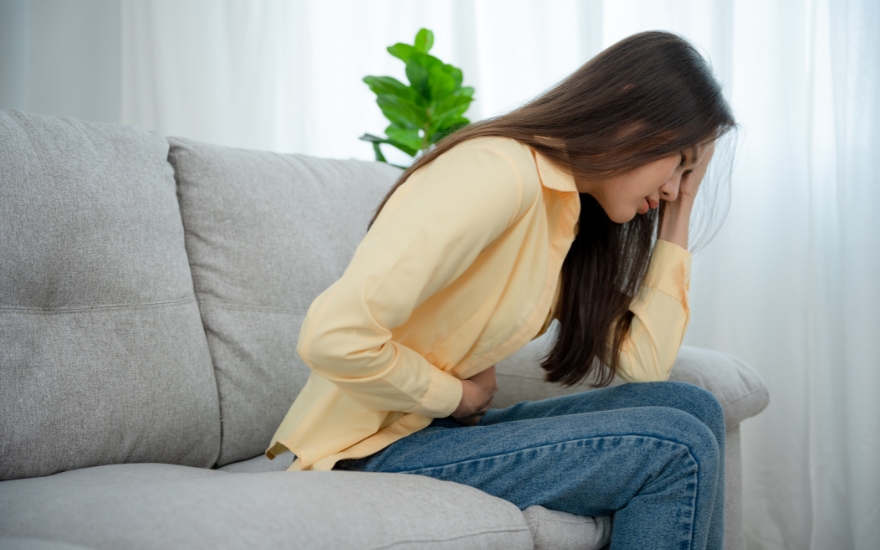
The Bigger Picture
Menstrual pain exists on a spectrum. While mild cramps are common, severe pain that affects daily functioning should not be ignored or automatically accepted as normal. Advances in women's health research continue to improve understanding of conditions that contribute to debilitating menstrual symptoms.
Increased awareness allows more women to recognize when their experiences warrant medical attention and appropriate support.
Final Thoughts
Menstrual cramps are a common part of life for many women, but severe period pain can be much more than temporary discomfort. Conditions such as endometriosis, adenomyosis, fibroids, and other gynecological disorders may contribute to symptoms that significantly affect quality of life. Understanding the difference between typical cramps and pain that interferes with daily activities is essential.
If menstrual pain regularly disrupts work, school, sleep, or overall well-being, consulting a healthcare professional is an important step. With proper evaluation and individualized treatment, many women can find meaningful relief and improve their quality of life.