Pancreatic cancer is currently one of the deadliest forms of cancer, with a very high mortality rate and significant treatment challenges. Alarmingly, most patients are only diagnosed at a late stage because the early symptoms are often vague and easily mistaken for common digestive problems.
Recognizing unusual signs from the body at an early stage plays a crucial role in timely diagnosis and treatment, helping extend survival and improve quality of life.
The pancreas is an organ located deep inside the abdomen, behind the stomach. It produces digestive enzymes and insulin, the hormone responsible for regulating blood sugar. When a malignant tumor develops in the pancreas, cancer cells may grow silently for a long time without causing obvious symptoms.
Pancreatic cancer is difficult to detect early, and by the time clear symptoms appear, the tumor may already be large or have spread to other organs such as the liver, lungs, or lymph nodes. Therefore, recognizing warning signs early is extremely important.
1. Yellowing of the Skin and Eyes
One of the most common and noticeable symptoms of pancreatic cancer is jaundice — yellowing of the skin and eyes. Tumors located in the head of the pancreas may block the bile duct, preventing bile from flowing into the intestines to help digest fats. As a result, bilirubin builds up in the bloodstream, causing the skin and eyes to turn yellow.
Many patients still feel relatively healthy until family members notice yellow discoloration in the eyes, leading to a medical checkup and a late-stage diagnosis.
Other symptoms that may accompany jaundice include:
- Itchy skin
- Dark urine
- Pale or clay-colored stools
- Loss of appetite
- Persistent fatigue
If these symptoms appear without a known liver or gallbladder condition, medical evaluation is strongly recommended.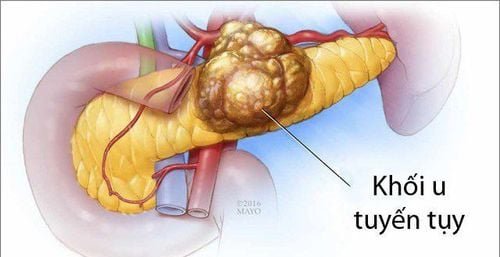
2. Persistent Abdominal Pain or Back Pain
Abdominal pain is a common but often overlooked symptom in pancreatic cancer patients. People may experience a dull pain in the upper abdomen, just below the breastbone, which can radiate to the back. The pain often worsens when lying flat and improves when leaning forward.
Tumors in the body or tail of the pancreas may press on nearby organs or surrounding nerves, causing ongoing discomfort.
Many people mistakenly assume this is simply stomach pain or indigestion and self-medicate at home, leading to delayed diagnosis. Persistent abdominal pain, especially when combined with weight loss or jaundice, should be evaluated by a doctor as soon as possible.
3. Dark-Colored Urine
Changes in urine and stool color may also be warning signs of pancreatic cancer. When bilirubin levels rise because of blocked bile flow, urine may become dark brown or rust-colored. Stools may appear pale, clay-like, greasy, or float due to poor fat digestion.
These symptoms suggest serious problems involving digestion and bile function.
4. Persistent Nausea and Vomiting
As pancreatic tumors grow larger, they may compress the duodenum or the lower part of the stomach, making it difficult for food to pass into the intestines. Patients may experience:
- Nausea
- Vomiting
- Bloating
- Excess gas
- Feeling full quickly
- Persistent indigestion
Because these symptoms resemble common stomach disorders, many people ignore them until the disease has significantly progressed.
5. Unusually Poor Oral Health
Recent studies suggest a link between pancreatic cancer and oral health problems. People with pancreatic cancer may have a higher risk of:
- Gum inflammation
- Periodontal disease
- Bad breath
- Loose teeth
- Tooth decay
Some research has found that harmful bacteria associated with gum disease are significantly more common in pancreatic cancer patients than in healthy individuals. Although this is not a specific symptom, sudden deterioration in oral health combined with other unusual signs should not be ignored.
6. Rapid, Unexplained Weight Loss
Unexplained weight loss is a common warning sign of many cancers, including pancreatic cancer. Patients may lose weight rapidly without dieting or increasing physical activity.
Possible causes include poor nutrient absorption, digestive disorders, loss of appetite, and the cancer cells consuming large amounts of energy. If weight loss occurs alongside fatigue, jaundice, or abdominal pain, medical attention is necessary.
Who Is at Higher Risk of Pancreatic Cancer?
Several factors may increase the risk of pancreatic cancer, including:
- Smoking
- Heavy alcohol consumption
- Obesity
- Diabetes
- Chronic pancreatitis
- Family history of pancreatic cancer
- Diets high in red meat and processed foods
- Lack of physical activity
People in high-risk groups should undergo regular health screenings for early detection.
Conclusion
Pancreatic cancer is a serious disease, but early detection can significantly improve treatment outcomes. Therefore, people should not ignore warning signs such as jaundice, persistent abdominal pain, unexplained weight loss, or ongoing digestive problems.
Although there is no guaranteed way to prevent pancreatic cancer, maintaining a healthy lifestyle may help reduce the risk. Experts recommend avoiding smoking, limiting alcohol intake, eating more fruits and vegetables, maintaining a healthy weight, staying physically active, managing diabetes effectively, and having regular medical checkups.