The Human Body's Remarkable Self-Cleansing Process During Hunger
The human body is an intricate and highly adaptive system. One of its most fascinating and often overlooked abilities is its capacity to heal itself during periods of hunger. Far from being just a signal for a need for food, hunger triggers a remarkable process in the body—self-cleaning. This process, known as autophagy, is the body’s way of breaking down and recycling its own cells, essentially "eating" damaged or unnecessary components to maintain health.
Understanding Autophagy: The Body’s Self-Cleansing Mechanism
Autophagy, a term derived from the Greek words “auto” (self) and “phagy” (eating), refers to the body’s process of removing damaged cells and recycling them for energy. When the body goes without food, it activates autophagy to cleanse and rejuvenate itself. Although this process may sound harsh, it’s actually vital for maintaining health. Instead of accumulating damaged cells, the body clears them out to regenerate newer, healthier ones. This process is essential for cellular maintenance, helping ensure the body functions optimally.
How Hunger Triggers Autophagy
When we experience hunger, particularly during fasting or reduced food intake, the body enters a state where it shifts from relying on external food sources to utilizing its internal reserves. The body starts to break down stored fat and muscle tissue to provide the necessary energy. However, beyond just providing fuel, hunger also triggers autophagy, prompting the body to start its internal cleansing process.
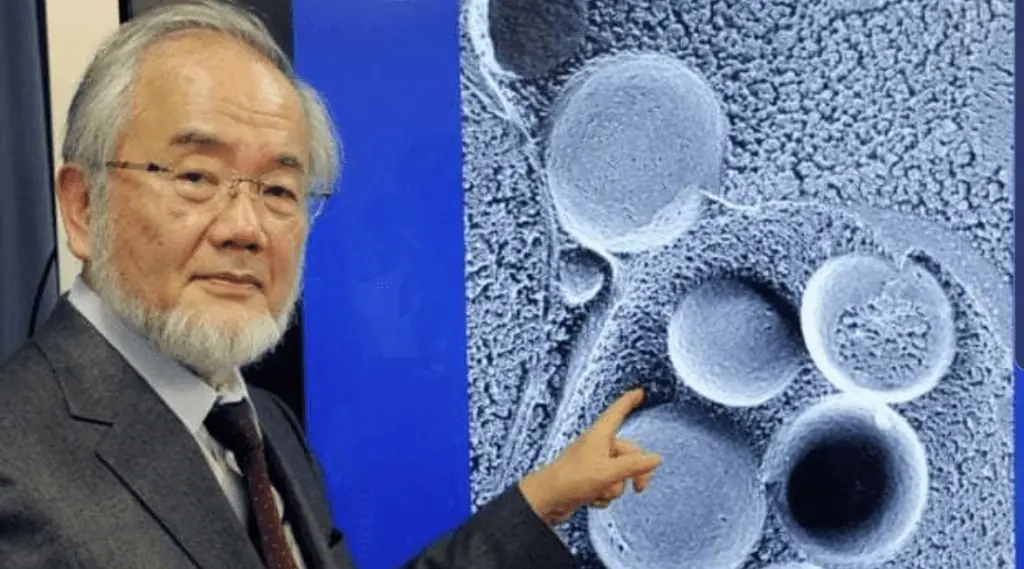
Autophagy begins with the formation of autophagosomes, which are special structures that "capture" damaged or redundant components of cells, such as malfunctioning proteins or broken organelles. These components are then broken down and recycled for use elsewhere in the body. This process allows the body to maintain cellular health by preventing the accumulation of damaged materials that could hinder proper function.
Removing Unnecessary Components from the Body
Autophagy serves to remove and recycle various components that could potentially hinder the body's efficiency. By cleaning out unnecessary materials, autophagy helps support healthy cellular functioning, improving overall well-being.
-
Aging Cells: As the body ages, cells can become damaged or less efficient. These aging cells, if not properly managed, can accumulate and contribute to the natural decline in bodily functions. Autophagy actively clears out these aged cells, creating space for new, healthy ones to replace them. This rejuvenation process is important for overall health and vitality, ensuring that the body remains functional and efficient.
-
Cellular Renewal: The process of autophagy helps create an environment where new, healthy cells can thrive. The recycling of old, dysfunctional components allows for the generation of better functioning cells, which supports the body’s ability to regenerate and heal itself. This continuous process of renewal contributes to improved health and longevity.
The Benefits of Hunger-Induced Autophagy
While autophagy occurs naturally during hunger and fasting, research has highlighted numerous benefits associated with this process. Beyond its role in maintaining healthy cellular functions, autophagy provides several health benefits that contribute to overall well-being.
-
Cellular Health and Efficiency: By removing damaged and malfunctioning components, autophagy ensures that cells remain functional. This improves the body’s ability to carry out essential tasks, from immune response to energy production, contributing to a healthier body overall.
-
Reducing Inflammation: Inflammation is a common factor in many health conditions. Autophagy helps reduce the inflammatory response by clearing out damaged cells and regulating immune function. This has a positive effect on overall health and reduces the risk of chronic conditions related to inflammation, such as joint pain or digestive issues.
-
Supporting Metabolism: As the body burns stored fat for energy during fasting, it triggers fat breakdown, which contributes to healthier body composition and better metabolic function. By reducing excess fat, autophagy supports a more balanced and efficient metabolism, which is crucial for maintaining a healthy weight and overall health.
Cognitive Benefits and Mental Clarity
Autophagy not only benefits physical health but also plays a key role in brain health. By removing dysfunctional cellular components in the brain, autophagy helps maintain optimal cognitive function. As the body cleanses itself during hunger, it removes toxins and supports healthy brain cells. This process can enhance mental clarity, focus, and memory, allowing the brain to function more effectively.
Moreover, the process of autophagy has been linked to improvements in cognitive function and the ability to think clearly, as the brain benefits from a continual renewal of its cells. This rejuvenation is especially beneficial in maintaining mental sharpness as we age.
Fasting: A Tool for Promoting Autophagy
While autophagy is naturally activated during periods of hunger, certain fasting practices can help further enhance this process. Intermittent fasting, for instance, involves cycling between periods of eating and fasting, allowing the body to enter the state where autophagy is triggered. These short bursts of fasting can help activate autophagy and provide the associated health benefits, without the risks associated with prolonged fasting or malnutrition.
It is important to approach fasting with care, as the body still requires essential nutrients for proper functioning. However, by incorporating intermittent fasting or controlled calorie reduction, many people can stimulate autophagy and enjoy its benefits without significant negative effects.
The Importance of Balance
Though autophagy is an essential process for maintaining health, it is vital to ensure a balance. Extended or excessive periods of fasting can lead to muscle loss, nutrient deficiencies, and other health issues. It’s crucial to listen to the body’s signals and ensure it receives the necessary nutrients during non-fasting periods to support proper function. A balanced approach to fasting can help stimulate autophagy while minimizing the risks associated with prolonged hunger.
Conclusion
The body’s ability to cleanse itself through the process of autophagy during hunger is a remarkable and essential function. By removing damaged or unnecessary components, regenerating new cells, and supporting healthier body functions, autophagy contributes to long-term well-being and vitality. Hunger triggers this natural process, promoting self-healing and rejuvenation, while also improving cellular health, metabolism, and cognitive function. As we better understand the importance of autophagy, we can use fasting and other controlled practices to harness its benefits and support our overall health. By embracing the body’s natural cleansing ability, we can promote longevity and well-being.