The liver is one of the most vital organs in the human body, responsible for hundreds of essential functions. It helps detoxify harmful substances, processes nutrients, produces bile for digestion, and supports metabolism. Despite its importance, liver problems often develop quietly, without obvious early symptoms.
However, when the liver begins to struggle, the body doesn’t stay silent. Instead, it may send signals in the form of pain or discomfort in different areas—some of which may not seem directly related to the liver at first.
Understanding these warning signs can help you recognize potential liver issues early and take action before they become serious.
Why Liver Problems Can Cause Pain in Other Areas
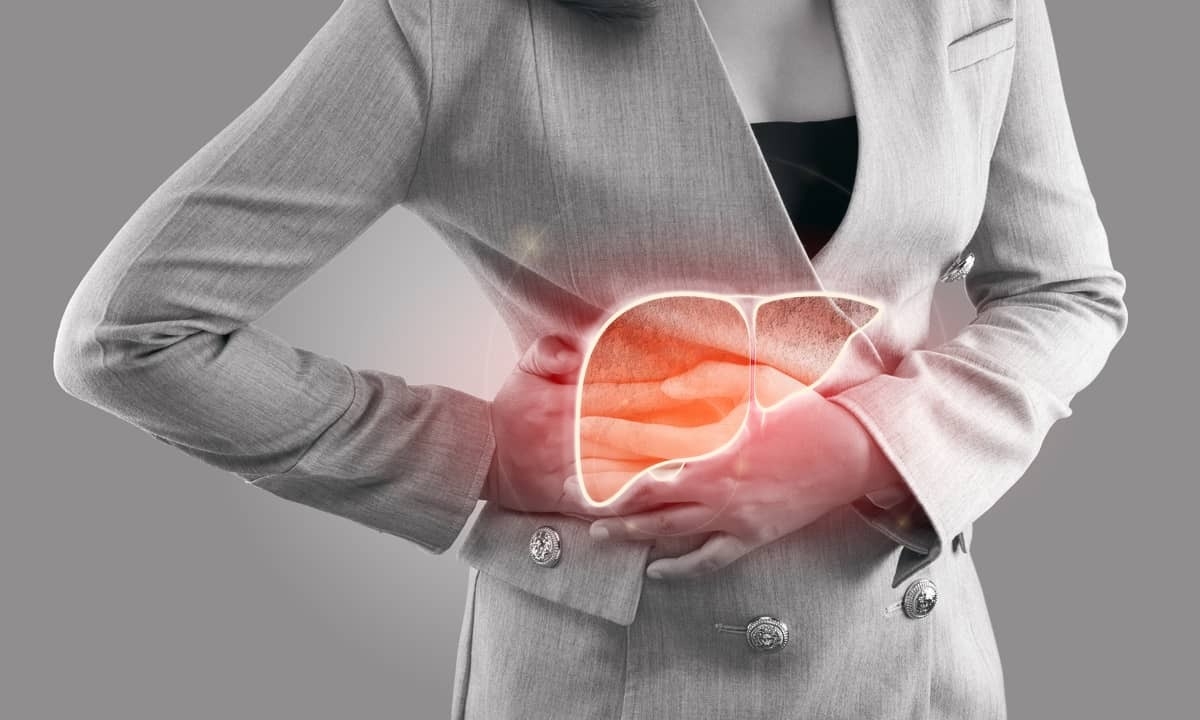
The liver is located in the upper right side of the abdomen, just beneath the rib cage. When it becomes inflamed, enlarged, or damaged, it can affect nearby tissues, nerves, and systems throughout the body.
👉 This is why liver-related discomfort may not always be limited to one specific spot.
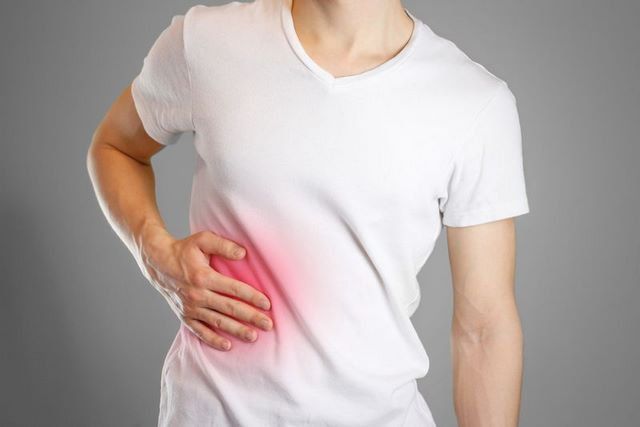
1. Pain in the Upper Right Abdomen
This is the most direct and common location associated with liver issues.
What it feels like:
-
Dull ache or pressure under the right rib cage
-
Discomfort that may worsen after eating
-
A feeling of fullness or heaviness
Why it happens:
Inflammation or enlargement of the liver can stretch its outer covering, causing pain.
2. Pain in the Right Shoulder or Upper Back
It may seem surprising, but liver problems can sometimes cause pain in the shoulder or upper back.
What it feels like:
-
Aching or discomfort in the right shoulder
-
Pain between the shoulder blades
Why it happens:
This is known as referred pain, where discomfort is felt in a different area than the source due to shared nerve pathways.
3. Abdominal Bloating and General Discomfort
Liver dysfunction can lead to fluid buildup in the abdomen, a condition known as ascites.
Symptoms include:
-
Swelling or bloating
-
Tightness in the stomach area
-
Feeling full quickly
👉 This can cause discomfort rather than sharp pain but should not be ignored.
4. Pain or Discomfort in the Lower Abdomen
Although less direct, liver issues can affect digestion and fluid balance, leading to discomfort in the lower abdomen.
Possible sensations:
-
Mild cramping
-
Pressure
-
Irregular digestion
5. Muscle and Joint Pain
Liver problems can sometimes trigger inflammation in the body, which may lead to:
-
Joint stiffness
-
Muscle aches
-
General body discomfort
👉 This is more common in conditions involving chronic inflammation.
6. Headaches and General Body Discomfort
When the liver cannot effectively filter toxins, these substances may build up in the bloodstream.
Possible effects:
-
Frequent headaches
-
Fatigue
-
A general feeling of unwellness
👉 While not always painful in a specific area, these symptoms reflect systemic stress.
7. Skin Sensitivity and Itching
Although not always painful in the traditional sense, severe itching (pruritus) can be extremely uncomfortable.
Why it happens:
Bile buildup under the skin can irritate nerve endings.
Common areas:
-
Arms
-
Legs
-
Back
Other Signs That May Accompany Pain
In addition to pain or discomfort, liver problems may also present with:
-
Yellowing of the skin or eyes (jaundice)
-
Dark urine
-
Pale stools
-
Nausea or loss of appetite
-
Unexplained fatigue
👉 These signs often appear alongside physical discomfort.
When Should You Be Concerned?
You should consider seeking medical attention if:
-
Pain persists or worsens over time
-
Multiple symptoms appear together
-
You experience swelling, jaundice, or severe fatigue
👉 Early diagnosis can prevent more serious liver damage.
How to Support Liver Health
To keep your liver functioning properly:
-
Maintain a balanced diet
-
Limit alcohol consumption
-
Stay physically active
-
Avoid excessive use of medications or toxins
-
Stay hydrated
Final Thoughts
The liver plays a silent but powerful role in your health. When it begins to struggle, the signs may not always be obvious—but your body will try to communicate.
Pain in the abdomen, shoulder, or even general discomfort can be more than just a passing issue. They may be early warnings that your liver needs attention.
Listening to these signals and acting early can make a significant difference.
Because when it comes to liver health, what you feel today may reflect what your body needs tomorrow.