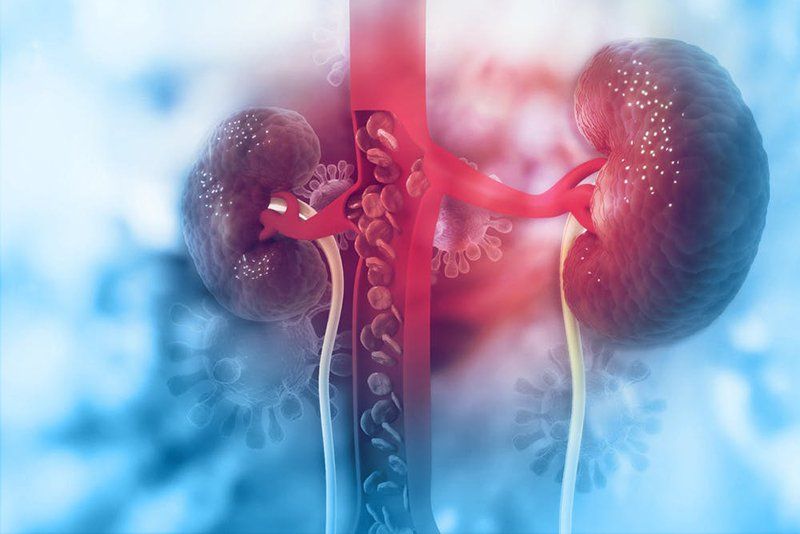
Your kidneys work quietly in the background every minute of the day. They filter waste, balance fluids, regulate minerals, help control blood pressure, and support overall health. Because they are so efficient, kidney problems can develop slowly and many people don’t notice the warning signs until the condition becomes more serious.
That’s why recognizing early symptoms matters.
Not every symptom means kidney disease. But when several signs appear together or persist over time, your body may be trying to tell you that your kidneys need attention.

🧠 What Do the Kidneys Actually Do?
The kidneys are two bean-shaped organs located in the lower back.
Their main functions include:
- Filtering waste from the blood
- Producing urine
- Regulating fluid balance
- Controlling electrolytes like sodium and potassium
- Supporting healthy blood pressure
When kidney function declines, waste and excess fluid can begin building up in the body.
⚠️ 1. Changes in Urination
One of the earliest and most common signs.
You may notice:
- Urinating more often at night
- Foamy or bubbly urine
- Darker urine color
- Blood in the urine
- Reduced urine output
Foamy urine may indicate protein leaking into the urine, which can be a sign of kidney stress.
🦶 2. Swelling in the Feet, Ankles, or Hands
When kidneys struggle to remove excess fluid, swelling (edema) may occur.
Common areas:
- Feet
- Ankles
- Fingers
- Around the eyes
This swelling may be worse at the end of the day.
😴 3. Constant Fatigue and Weakness
Healthy kidneys help regulate red blood cell production.
When kidney function declines:
- Toxins can build up
- Anemia may develop
Result:
- Low energy
- Weakness
- Difficulty concentrating

🌙 4. Trouble Sleeping
Kidney-related imbalances can interfere with sleep.
Possible symptoms:
- Restless sleep
- Frequent nighttime urination
- Muscle cramps
- Itching at night
🤢 5. Loss of Appetite or Nausea
Waste buildup in the bloodstream can affect digestion.
You may experience:
- Metallic taste in the mouth
- Nausea
- Reduced appetite
🧴 6. Dry or Itchy Skin
Kidneys help balance minerals and nutrients.
When this balance is disrupted:
- Skin may become dry
- Persistent itching can occur
🦵 7. Muscle Cramps
Electrolyte imbalances involving:
- Potassium
- Calcium
- Magnesium
can contribute to nighttime cramps or muscle discomfort.
🫁 8. Shortness of Breath
Fluid buildup or anemia linked to kidney issues may lead to:
- Breathlessness
- Reduced exercise tolerance
🧠 9. Difficulty Concentrating
Toxin buildup and reduced oxygen delivery can affect brain function.
Possible effects:
- Brain fog
- Poor concentration
- Memory issues
🚨 Risk Factors That Increase Kidney Problems
You may be at higher risk if you have:
- Diabetes
- High blood pressure
- Heart disease
- Family history of kidney disease
- Long-term use of certain pain medications

🛡️ Ways to Protect Your Kidneys
✔️ Stay Hydrated
Water supports filtration and waste removal.
✔️ Control Blood Pressure and Blood Sugar
These are two major factors in kidney damage.
✔️ Reduce Excess Salt Intake
Too much sodium increases kidney workload.
✔️ Avoid Smoking
Smoking affects blood flow to the kidneys.
✔️ Be Careful with Overuse of Painkillers
Frequent NSAID use can strain kidney function.
🚨 When to See a Doctor
Seek medical evaluation if:
- Symptoms persist
- Swelling worsens
- You notice blood in urine
- Fatigue becomes severe
- Urination changes significantly
Simple blood and urine tests can often detect problems early.
💡 Final Thoughts
Kidney problems rarely appear suddenly. More often, the body sends subtle warnings first:
- Swelling
- Fatigue
- Urination changes
- Sleep issues
The challenge is that many people ignore these signs until kidney function has already declined.
The good news is that early awareness and healthy habits can make a major difference.
Because when your kidneys start signaling a problem, the sooner you listen, the better your chances of protecting your long-term health.