Boiled Eggs in the Morning: What Makes Them a Healthy Breakfast Option?
Boiled Eggs for Breakfast: A Simple Food With Surprising Benefits
⏱️ 1 min read 19/08/2026 17:24
Sweet potatoes are often praised as a healthier alternative to refined carbohydrates, and for good reason. They provide fiber, potassium, vitamin C, carotenoids, and other beneficial plant compounds, while their natural sweetness makes them satisfying enough to replace many highly processed foods.
But a common question remains: When is the best time to eat sweet potatoes if you're trying to manage your weight and maintain healthy blood sugar?
There is no scientifically established "magic hour" when sweet potatoes suddenly become a fat-burning food. Your overall calorie intake, meal composition, physical activity, sleep, and dietary pattern matter much more than the exact time you eat them.
That said, choosing certain times and preparation methods can make sweet potatoes easier to incorporate into a balanced diet.
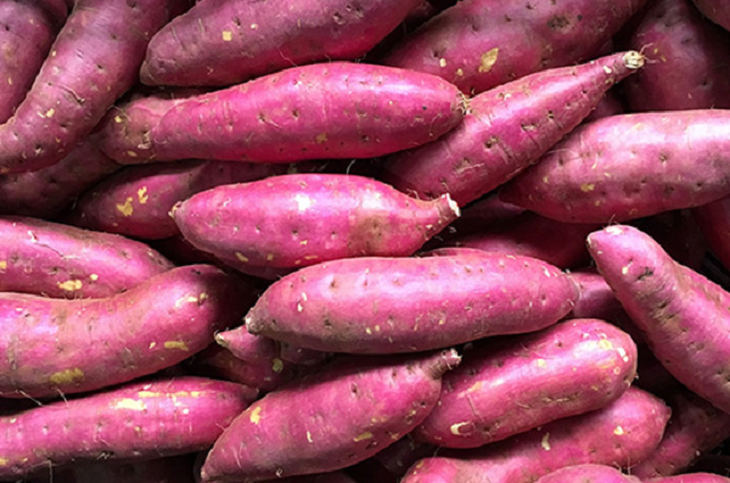
Sweet potatoes are a starchy root vegetable.
A medium sweet potato can provide a useful combination of:
Complex carbohydrates
Dietary fiber
Potassium
Vitamin C
Vitamin B6
Carotenoids
Manganese
Plant compounds with antioxidant activity
Unlike many refined carbohydrate foods, sweet potatoes retain their natural structure and fiber.
That can make them a more nutrient-dense choice than foods such as sugary breakfast pastries, candy, or highly refined snack foods.
One of the most useful features of sweet potatoes is their fiber content.
Fiber can help:
Slow digestion
Increase feelings of fullness
Support regular bowel movements
Support healthy cholesterol levels
Help moderate the rise in blood glucose after meals
The amount of fiber varies depending on the size and variety of the sweet potato and whether the skin is eaten.
Keeping the skin on, when properly washed and prepared, can increase the fiber content.
Sweet potatoes are still a source of carbohydrates.
This is important for people who assume that eating a carbohydrate automatically prevents weight loss.
It doesn't.
Carbohydrates provide energy, and foods containing carbohydrates can absolutely be part of a healthy weight-management diet.
The more important questions are:
How much are you eating?
What else is in the meal?
How are the sweet potatoes prepared?
How much total energy are you consuming throughout the day?
A meal containing sweet potatoes, protein, vegetables, and healthy fats can be quite filling.
For example:
Roasted sweet potato + grilled fish + broccoli
is nutritionally very different from:
Sweet potato fries + sugary sauce + processed meat
The first meal provides a combination of protein, fiber, micronutrients, and carbohydrates.
The second may contain considerably more calories, sodium, and added fat.
The food itself is only part of the equation.
If you enjoy sweet potatoes, breakfast or another earlier meal can be a practical time to include them.
This doesn't mean your body automatically burns more fat because you eat sweet potatoes in the morning.
Rather, a nutrient-dense carbohydrate source can provide energy for the day and may help create a satisfying meal.
For example:
Boiled sweet potato + eggs + vegetables
provides:
Carbohydrates
Protein
Fiber
Vitamins
Minerals
This is considerably more balanced than eating sweet potatoes by themselves.
Another practical time to eat sweet potatoes is before physical activity.
Because they contain carbohydrates, sweet potatoes can provide fuel for exercise.
If you're planning a workout, a meal containing a moderate portion of sweet potato several hours beforehand can be useful.
For example:
Sweet potato + chicken + vegetables
or
Sweet potato + eggs + fruit
The appropriate amount depends on your activity level and individual energy needs.
People who exercise regularly may find sweet potatoes particularly useful around their training schedule.
Carbohydrates help replenish muscle glycogen, the stored form of glucose used during physical activity.
After a demanding workout, combining carbohydrates with protein can support recovery.
For example:
Sweet potato + grilled chicken
or
Sweet potato + tofu + vegetables
can provide both carbohydrates and protein.
Again, this isn't because sweet potatoes have a special fat-burning effect.
It's because carbohydrates and protein are useful nutrients for active people.
A common claim online is that eating carbohydrates at night automatically causes weight gain.
That's an oversimplification.
Eating sweet potatoes in the evening does not automatically turn them into body fat.
Weight gain occurs when energy intake consistently exceeds energy expenditure over time.
However, some people may find that large meals close to bedtime make them uncomfortable or interfere with sleep.
If that's the case, eating dinner earlier or reducing portion sizes may help.
Sweet potatoes are nutritious, but they aren't calorie-free.
Eating very large portions can increase your total carbohydrate and calorie intake.
If you're trying to lose weight, portion size matters even when the food itself is healthy.
A practical plate might contain:
½ plate vegetables
¼ plate protein
¼ plate carbohydrate such as sweet potato
This is only a general framework, not a rule that everyone must follow.
Individual calorie and carbohydrate needs vary.
One of the best ways to build a satisfying meal is to combine sweet potatoes with protein.
Good options include:
Eggs
Fish
Chicken
Turkey
Tofu
Tempeh
Lentils
Beans
Greek yogurt
Protein is important for maintaining muscle and can increase satiety.
For someone trying to lose weight, maintaining adequate protein intake is particularly useful because preserving lean muscle is an important part of healthy weight management.
Sweet potatoes are already nutrient-rich, but they don't provide every nutrient your body needs.
Adding vegetables creates more dietary variety.
Try pairing sweet potatoes with:
Broccoli
Spinach
Kale
Bell peppers
Green beans
Mushrooms
Cabbage
Tomatoes
This adds fiber and a wider range of vitamins, minerals, and plant compounds.
A small amount of healthy fat can make a meal more satisfying.
Options include:
Avocado
Olive oil
Nuts
Seeds
Natural nut butter
However, remember that fats are calorie-dense.
If weight loss is your goal, you don't need to eliminate fat, but portion size still matters.
Not all sweet potato dishes have the same nutritional profile.
Boiled sweet potatoes are simple and don't require added oil.
Steaming can preserve the food's structure while avoiding added fat.
Roasting can intensify the natural sweetness without requiring much added fat.
Mashed sweet potatoes can be nutritious, but adding large amounts of butter, cream, or sugar can significantly increase calories.
Sweet potato fries can be much more calorie-dense because of the added oil.
The sweet potato itself isn't necessarily the problem.
The preparation method can dramatically change the meal.
Sweet potatoes naturally taste sweet.
That makes them easy to transform into a dessert-like dish.
But adding:
Brown sugar
Syrup
Marshmallows
Large amounts of butter
Sweetened condensed milk
can turn a nutritious vegetable into a much more calorie-dense meal.
If your goal is blood sugar management or weight control, try using spices instead.
Good choices include:
Cinnamon
Nutmeg
Ginger
Black pepper
Paprika
Sweet potatoes generally have a moderate glycemic impact, but the exact response varies.
The glycemic index can change depending on:
Variety
Cooking method
Degree of processing
Ripeness
Meal composition
For example, boiling and cooling a starchy food can alter its starch structure.
More importantly, the glycemic response of a complete meal depends on what you eat alongside the sweet potato.
Adding protein, fiber, and healthy fats can change how quickly carbohydrates are digested and absorbed.
When cooked starches cool, some of the starch can reorganize into resistant starch.
Resistant starch is not digested in the small intestine in the same way as ordinary starch.
Instead, some reaches the colon, where gut microorganisms can ferment it.
This has generated interest in resistant starch and metabolic health.
However, you don't need to eat cold sweet potatoes to be healthy.
The overall quality of your diet matters much more.
For people without diabetes, sweet potatoes are generally a reasonable carbohydrate source.
For people with diabetes or prediabetes, portion size and meal composition may matter more.
Blood glucose responses vary significantly between individuals.
If you monitor your blood sugar, you can see how your body responds to different portions and preparation methods.
Your healthcare team can help you determine an appropriate carbohydrate intake based on your treatment plan.
This distinction is important.
Sweet potatoes contain fiber and other nutrients, but they still contain carbohydrates.
Eating them does not automatically lower blood glucose.
Instead, they may be a more nutrient-dense carbohydrate choice than highly refined alternatives.
If you have diabetes, don't stop prescribed medication because you've added sweet potatoes to your diet.
No food burns body fat simply because you eat it at a certain time.
Fat loss primarily depends on maintaining an appropriate energy balance over time.
Sweet potatoes can support weight management because they are:
Nutrient-dense
Filling
Versatile
A source of fiber
Easy to combine with lean protein and vegetables
But eating enormous portions of even nutritious foods can make weight loss difficult.
One useful strategy isn't to add sweet potatoes on top of your usual diet.
Instead, use them to replace less nutritious carbohydrate sources.
For example:
Instead of:
Large portion of refined white rice + processed meat
try:
Moderate sweet potato + fish + vegetables
Or instead of:
Sugary breakfast pastry
try:
Sweet potato + eggs + fruit
This approach can improve overall diet quality without requiring extreme restriction.
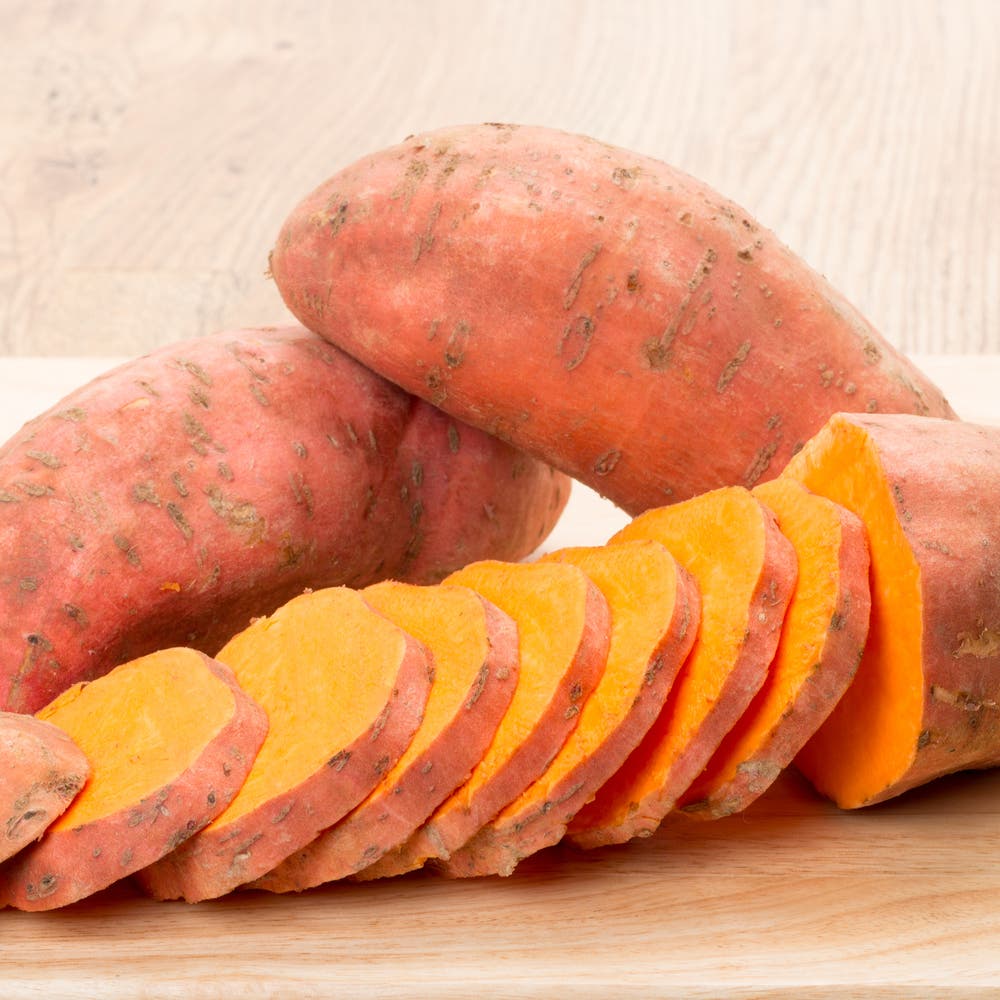
Orange-fleshed sweet potatoes are particularly rich in beta-carotene, which the body can convert into vitamin A.
Vitamin A is important for:
Vision
Immune function
Skin health
Normal cell development
The amount of beta-carotene varies considerably by sweet potato variety.
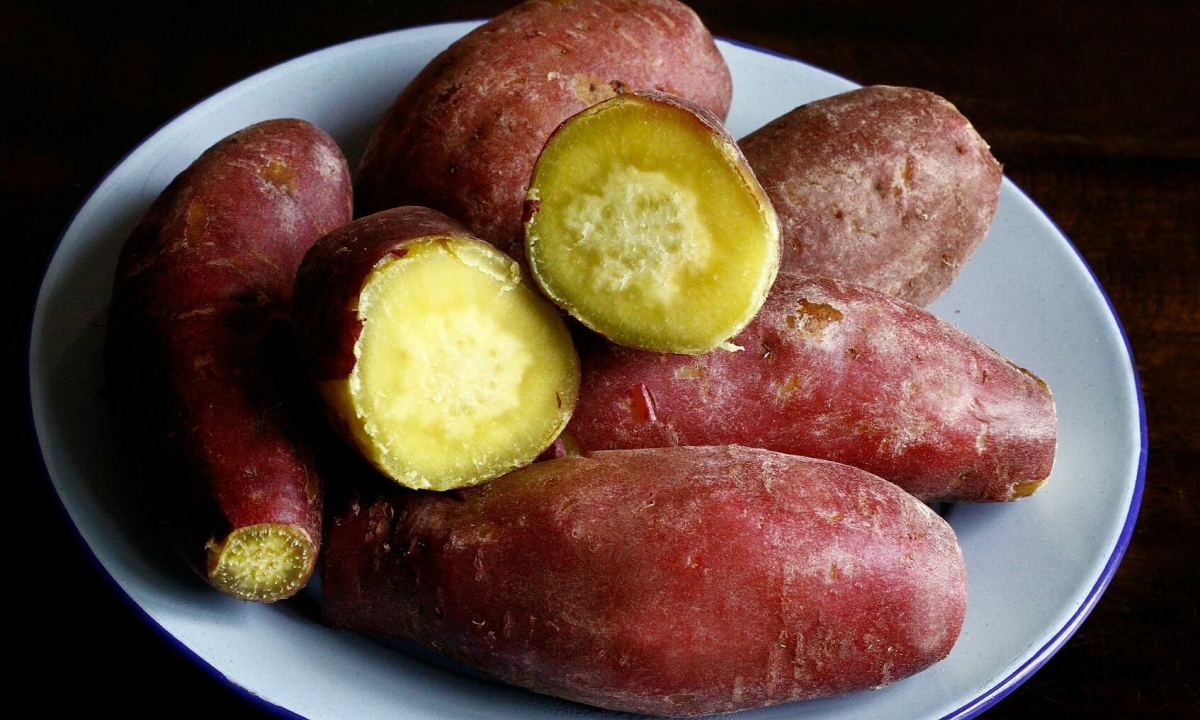
Purple sweet potatoes contain different plant pigments, including anthocyanins, which have antioxidant properties.
Eating different varieties can add nutritional diversity.
Potassium is an essential mineral involved in:
Muscle function
Nerve signaling
Fluid balance
Blood pressure regulation
Sweet potatoes can contribute meaningfully to daily potassium intake.
However, people with certain kidney conditions may need to limit potassium.
If you have chronic kidney disease or have been told to follow a low-potassium diet, consult your healthcare professional before increasing your intake significantly.
Sweet potatoes provide vitamin C, an essential nutrient involved in:
Immune function
Collagen production
Wound healing
Iron absorption
Antioxidant protection
Cooking can reduce some vitamin C, so preparation method matters.
Still, sweet potatoes can contribute to overall vitamin C intake as part of a varied diet.
Sweet potatoes are naturally gluten-free.
This makes them a useful carbohydrate source for people who need to avoid gluten because of celiac disease or another medically diagnosed condition.
However, packaged sweet potato products may contain other ingredients, so labels still matter.
For most people, there's no requirement to eat them every day.
If you enjoy them, they can certainly appear regularly in a balanced diet.
But rotating carbohydrate sources can increase dietary variety.
You might alternate between:
Sweet potatoes
Oats
Brown rice
Quinoa
Barley
Beans
Whole-grain bread
Other whole grains
Variety gives you access to different nutrients and textures.
If you're looking for a filling morning meal, try:
The sweet potato provides carbohydrates and fiber.
The eggs provide protein and several micronutrients.
The vegetables add additional fiber, vitamins, minerals, and plant compounds.
This combination is simple and can keep a person satisfied for several hours.
Try:
Roasted sweet potato + grilled salmon + broccoli + a small amount of olive oil
This meal provides:
Protein
Omega-3 fats
Fiber
Complex carbohydrates
Potassium
Carotenoids
It is a much more balanced approach than focusing on the sweet potato alone.
A simple evening meal could include:
Sweet potato + tofu + sautéed spinach + mushrooms
This provides plant protein, carbohydrates, fiber, and micronutrients.
Eating sweet potatoes at dinner is not inherently unhealthy.
The important factors are portion size, total calories, and the rest of the meal.
There's no strong evidence that eating sweet potatoes immediately before bedtime provides a special fat-loss benefit.
If you're hungry at night, a small balanced snack may be appropriate.
But a large meal right before lying down can cause discomfort or worsen reflux in some people.
If you frequently experience nighttime heartburn, consider finishing larger meals earlier and discussing persistent symptoms with a healthcare professional.
Online health content sometimes claims that eating a particular food at exactly two specific times will:
Burn fat
Lower blood sugar
Detox the body
Prevent disease
These claims are usually much stronger than the evidence supports.
There is no scientifically established clock time when sweet potatoes suddenly become a fat-burning food.
Instead, think about when they fit best into your routine and energy needs.
If your diet is mostly:
Vegetables
Fruits
Whole grains
Beans
Lean protein
Nuts
Seeds
Healthy fats
then eating sweet potatoes at breakfast, lunch, or dinner can all be reasonable.
If your overall diet is high in:
Sugary drinks
Refined carbohydrates
Processed meat
Excess calories
Highly processed foods
changing the timing of your sweet potatoes won't solve the underlying issue.
If you're physically active, carbohydrate timing can become more relevant.
Someone who exercises in the morning may prefer sweet potatoes before or after training.
Someone who exercises after work may find them useful at lunch or dinner.
The goal is to match food intake with your lifestyle.
There is no universal schedule that works for everyone.
Your body's signals can help determine when sweet potatoes work best for you.
If eating them at breakfast helps you stay satisfied until lunch, that's useful.
If they make you feel overly full before a workout, move them to another meal.
Nutrition doesn't need to follow rigid rules.
Consistency and overall balance are more important.
If you have diabetes, sweet potatoes can still fit into your diet.
But carbohydrates can affect blood glucose, so portion size and meal composition matter.
Try pairing sweet potatoes with:
Protein
Non-starchy vegetables
Healthy fats
and monitor your individual response if you use a glucose meter or continuous glucose monitor.
Your diabetes care team can help you determine appropriate carbohydrate portions.
The natural sweetness of a sweet potato doesn't make it equivalent to candy or soda.
Whole sweet potatoes contain fiber and nutrients that sugary foods generally lack.
The body processes the carbohydrate differently depending on the food's structure and the rest of the meal.
So there is no need to fear sweet potatoes simply because they taste sweet.
Rather than obsessing over an exact gram amount, use your plate as a guide.
For many meals:
½ plate: non-starchy vegetables
¼ plate: protein
¼ plate: sweet potato or another whole-food carbohydrate
You can adjust this depending on your energy needs, activity level, and medical conditions.
Whenever possible, choose whole or minimally processed sweet potatoes.
Examples include:
Whole boiled sweet potatoes
Steamed sweet potatoes
Roasted sweet potatoes
Baked sweet potatoes
Be more cautious with products containing:
Added sugar
Large amounts of oil
Excessive sodium
Sweetened sauces
The closer the food remains to its original form, the easier it is to control what you're consuming.
Healthy doesn't mean unlimited.
This can undermine the nutritional advantages.
Add protein and vegetables for a more balanced meal.
Fat loss doesn't depend on a magical eating window.
People with diabetes can respond differently to the same food.
Sweet potatoes are generally safe for most people.
However, people with certain medical conditions may need individualized advice.
This includes people with:
Diabetes
Chronic kidney disease
Certain gastrointestinal conditions
Food allergies, although sweet potato allergy is uncommon
If you have been prescribed a specific carbohydrate or potassium restriction, follow your healthcare professional's recommendations.
If you want a simple answer to the question of timing, two particularly practical options are:
Sweet potatoes can provide carbohydrates and fiber as part of a satisfying breakfast or lunch.
They can provide carbohydrates before exercise or help replenish energy stores afterward when combined with an adequate protein source.
But these aren't strict rules.
If dinner is the most convenient time for you, sweet potatoes can still be a healthy choice.
Sweet potatoes can be an excellent addition to a balanced diet for people who want to support healthy blood sugar and manage their weight.
They provide fiber, potassium, vitamin C, carotenoids, and other nutrients, while offering a minimally processed source of carbohydrates.
The most useful strategy isn't to search for a magical time when sweet potatoes "burn fat."
Instead:
Choose reasonable portions.
Pair them with protein.
Add plenty of non-starchy vegetables.
Limit added sugar and excessive oil.
Choose minimally processed preparations.
Fit carbohydrate intake around your activity and individual needs.
For people with diabetes, pay attention to your individual blood glucose response and follow your healthcare team's recommendations.
Sweet potatoes don't need to be treated as a miracle food—or avoided simply because they contain carbohydrates.
They can be part of a nutritious breakfast, lunch, or dinner.
If you're trying to lose weight, the biggest advantage is that a whole sweet potato can replace less nutritious refined carbohydrate foods while providing fiber and micronutrients.
If you're trying to maintain healthy blood sugar, pairing a moderate portion with protein, vegetables, and healthy fats can create a more balanced meal.
And if you're active, eating sweet potatoes around your workouts may provide useful carbohydrates for energy and recovery.
The exact clock time matters far less than the quality of your overall diet, your portions, your activity level, and your individual health needs.
So instead of asking, "What is the magical time to eat sweet potatoes?", a better question is:
"How can I fit this nutritious food into a balanced eating pattern that I can maintain long term?"
That's where the real health benefit lies.
Boiled Eggs for Breakfast: A Simple Food With Surprising Benefits
Before Eating Salmon Again, Here’s What You Should Know

Your Body May Signal Liver Problems: 3 Unusual Odors to Watch For

Could You Have Diabetes? 12 Early Signs to Watch For

Keep Waking Up at 3 or 4 in the Morning? Here’s What Could Be Behind It

What Your Legs and Feet May Be Telling You at Night

Eating Bell Peppers? Here Are Some Potential Effects to Know About

From Digestion to Antioxidants: What Clove Water May Do for Your Body

Could This Vegetable Carry Hidden Parasites? What You Should Know

Garlic Has Powerful Antimicrobial Properties - What Research Shows

Before Eating More Garlic, These People Should Think Twice

5 Nose Changes That Could Be Linked to Underlying Health Conditions

15 Foods That May Cause Problems When Combined With Eggs

Early skin changes may reveal hidden health issues worth attention.

A Clove of Garlic Before Bed: What Science Really Says
Thinking About an Overnight Colon Cleanse? Here’s What You Should Know
10 Early Warning Signs of Cervical Can.cer Every Woman Should Know

Researchers Discover a Possible Clue to What Causes Autism
What Are the Warning Signs of Ovarian Can.cer?
Boiled Eggs for Breakfast: A Simple Food With Surprising Benefits
Before Eating Salmon Again, Here’s What You Should Know
Got Bitten by an Assassin Bug? Follow These Steps and Don’t Panic
Found this tiny creature on the skin - would you know what it is?
Your Body May Signal Liver Problems: 3 Unusual Odors to Watch For
Could You Have Diabetes? 12 Early Signs to Watch For
Keep Waking Up at 3 or 4 in the Morning? Here’s What Could Be Behind It
What Your Legs and Feet May Be Telling You at Night
Do Dogs Know When Someone Has Good or Bad Intentions?
Eating Bell Peppers? Here Are Some Potential Effects to Know About
From Digestion to Antioxidants: What Clove Water May Do for Your Body
Could This Vegetable Carry Hidden Parasites? What You Should Know
Garlic Has Powerful Antimicrobial Properties - What Research Shows
Before Eating More Garlic, These People Should Think Twice
5 Nose Changes That Could Be Linked to Underlying Health Conditions
15 Foods That May Cause Problems When Combined With Eggs
Early skin changes may reveal hidden health issues worth attention.
A Clove of Garlic Before Bed: What Science Really Says
Thinking About an Overnight Colon Cleanse? Here’s What You Should Know