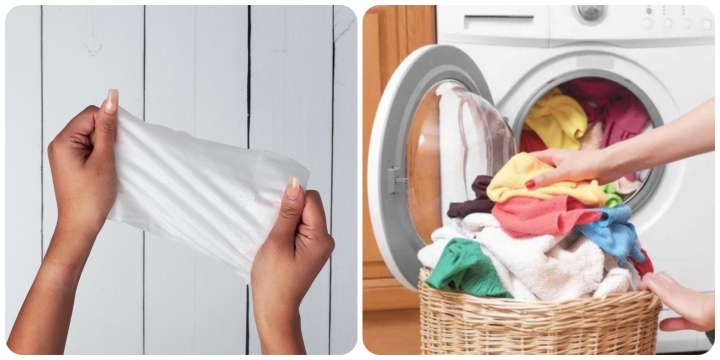
Many people notice that clothes washed in a washing machine seem to wear out faster, sometimes even tearing after repeated washes. This
isn’t just a feeling - it has real, practical reasons behind it. No matter how modern a washing machine is, the mechanical force it uses is still
much stronger than hand washing. Over time, that constant pulling, spinning, and friction naturally weakens fabric fibers.
One common mistake is overloading the washing machine. When too many clothes are packed into the drum, they have no room to move
freely. As the drum rotates, garments press tightly against one another, stretching and twisting repeatedly. This continuous tension makes
fabric much more likely to tear, especially at seams, thin areas, or older spots in the cloth.
Another issue is how clothes are placed into the machine. When laundry is stuffed in carelessly, items tangle together during the wash
cycle. Once twisted, the machine struggles to separate them, and the force of spinning causes the fabrics to rub and pull against each other
aggressively. This dramatically increases wear and tear.
A Simple Trick to Reduce Clothing Damage
There’s a surprisingly simple method to help reduce fabric damage: place two clean plastic water bottles inside the washing machine.
When the machine runs, the bottles rotate along with the clothes. This movement creates gentle separation between garments, reducing
direct friction between fabrics. As a result:
-
Clothes are less likely to tangle together
-
Stretching and pulling forces are reduced
-
The risk of tearing is significantly lower
At the same time, the bottles act a bit like traditional wooden washing paddles. As they spin, they lightly knock and rub against the clothes,
helping loosen dirt and improve cleaning efficiency—without being harsh on the fabric.
Important note: Make sure the bottle caps are screwed on tightly. If the bottles leak or collapse, they won’t provide the desired effect.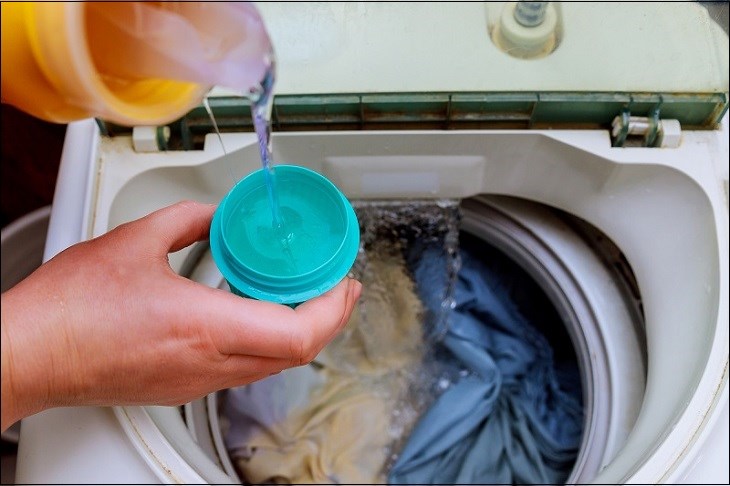
Additional Tips to Wash Clothes More Safely and Effectively
1. Sort Clothes Before Washing
Always take a moment to sort laundry by:
-
Color (light vs. dark)
-
Fabric type (delicate vs. sturdy)
This prevents color bleeding and protects delicate materials from rougher fabrics. Also, check all pockets carefully. Forgotten items—especially
coins, keys, or sharp metal objects - can damage clothes and even harm the washing machine itself.
2. Soak Clothes Before Washing
Some fabrics, such as cotton or thick garments like shirts and towels, hold onto stains more stubbornly. Instead of relying solely on the wash
cycle:
-
Place clothes in the machine
-
Add water and dissolve detergent thoroughly
-
Let clothes soak for 20–30 minutes before starting the wash
Pre-soaking helps loosen dirt and stains, making them easier to remove without needing longer or harsher wash cycles.
3. Add Rice Vinegar for Better Cleaning and Odor Removal
Rice vinegar is an underrated laundry helper. Here’s how to use it:
-
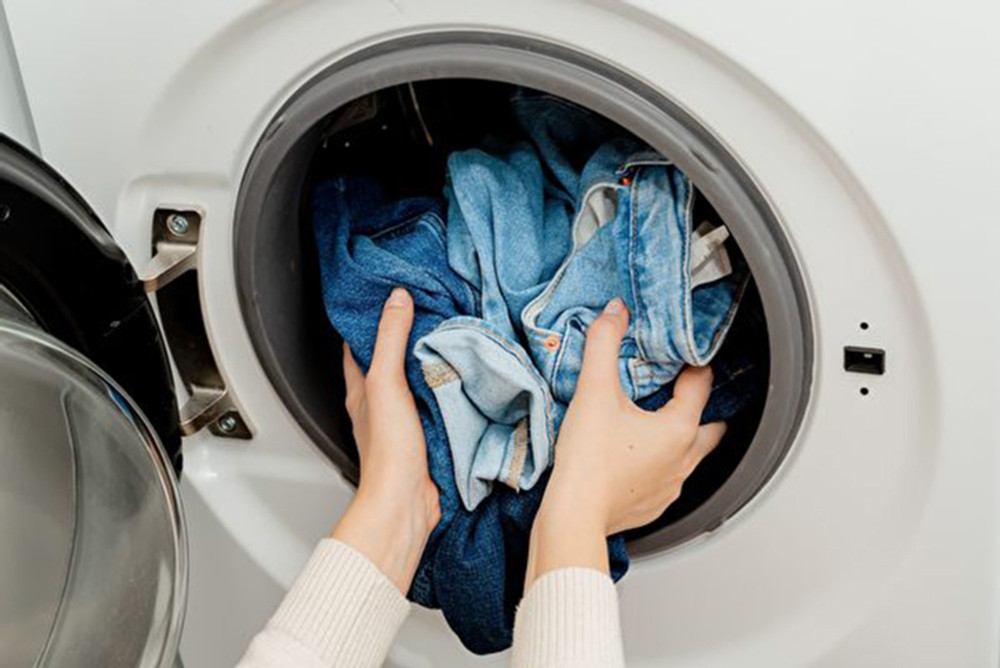
Place clothes in the washing machine
-
Add detergent and about 200 ml of rice vinegar
-
Fill with water and run the machine briefly to mix everything
-
Stop the machine and soak clothes for 20 minutes
-
Resume the wash cycle as normal
Rice vinegar helps:
-
Remove stubborn stains like fruit juice and grease
-
Neutralize unpleasant odors trapped in fabric
-
Soften clothes naturally without chemical fabric softeners
Final Thoughts
Washing machines are powerful tools, but how you use them makes all the difference. Avoid overloading, arrange clothes carefully, and apply
simple tricks - like using plastic bottles, soaking beforehand, and adding rice vinegar to protect your garments.
With these small adjustments, clothes stay cleaner, last longer, and keep their shape and strength far better over time.