This is why attempting to fight the current head-on often fails.
The more energy a swimmer spends trying to overpower the current, the more exhausted they become.
Once fatigue sets in, the situation can quickly become dangerous.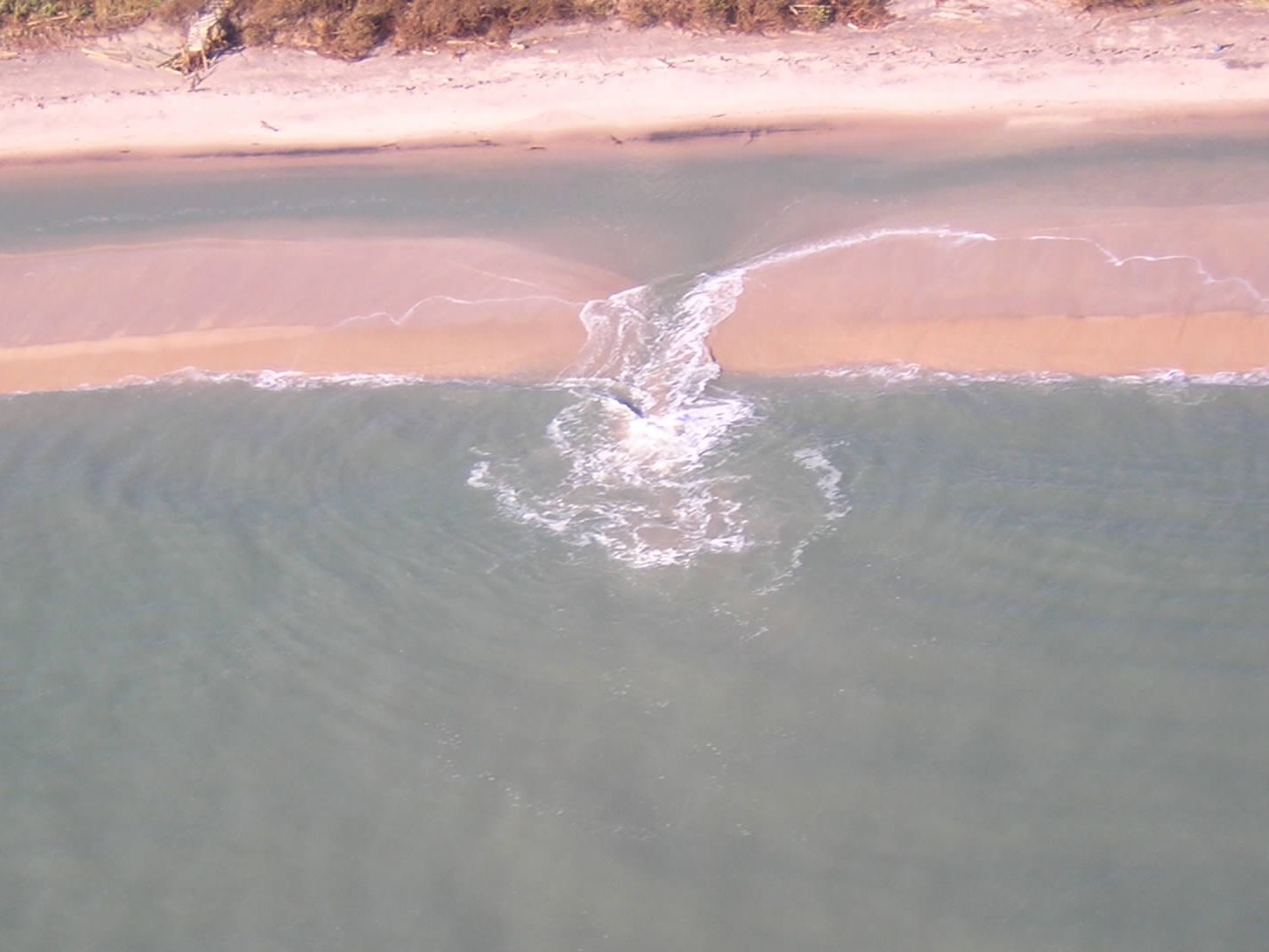
The Psychology of Panic
One reason rip currents are so dangerous is the psychological reaction they trigger.
Imagine entering the water for a relaxing swim.
Within moments, you realize that you are moving farther from shore.
You begin swimming harder.
Yet despite your effort, the beach seems no closer.
Fear starts to grow.
The natural instinct is to fight harder.
Unfortunately, this response often makes the situation worse.
Panic consumes energy.
Rapid breathing reduces efficiency.
Poor decisions become more likely.
Many rescue experts emphasize that staying calm is one of the most important survival skills in any water emergency.
A calm mind is better able to recognize options and respond effectively.
What To Do If You Are Caught in a Rip Current
Understanding how to respond can dramatically improve survival chances.
Stay Calm
The first priority is controlling panic.
Remember that rip currents generally pull swimmers away from shore, not underwater.
Do Not Swim Directly Toward the Beach
Attempting to swim straight back against the current can quickly lead to exhaustion.
Swim Parallel to Shore
Because rip currents are typically narrow, swimming sideways often allows swimmers to exit the current.
Once free from the strongest flow, returning to shore becomes much easier.
Float If Necessary
If swimming is difficult, floating can conserve energy while waiting for assistance.
Signal for Help
Raise an arm and call for help if assistance is needed.