How Liver Disease Can Show Up in Your Legs
The Liver plays a central role in filtering toxins, producing proteins, and regulating fluid balance in the body. When it becomes damaged—due to conditions like fatty liver disease, hepatitis, or cirrhosis—the effects don’t stay limited to the abdomen. In many cases, early warning signs can appear in the legs.
Here are some of the most common ways liver problems may manifest in your lower limbs.
🦵 1. Swelling in the Legs and Ankles
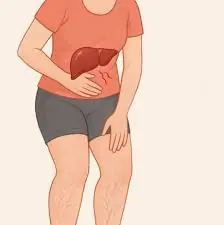
One of the most noticeable signs is fluid buildup in the lower body, known as edema. When the liver is not functioning properly, it may reduce the production of albumin (a protein that helps keep fluid in your blood vessels). As a result, fluid leaks into surrounding tissues, causing swollen legs, ankles, or feet.
This is commonly seen in advanced liver conditions such as Cirrhosis.
🟣 2. Easy Bruising or Discoloration
The liver helps produce proteins needed for blood clotting. When it is damaged, clotting becomes less efficient. This can lead to:
- Easy bruising on the legs
- Purple or dark patches after minor bumps
- Slow healing of small injuries
These changes may appear more prominently on the legs due to daily friction and minor trauma.
🕸️ 3. Visible Spider Veins
Liver dysfunction can cause hormonal imbalances that lead to the appearance of small, web-like blood vessels under the skin, often called spider veins. These are commonly found on the legs and may indicate long-term liver stress.
🌡️ 4. Itchy Skin on the Legs

When bile flow is disrupted (a condition known as cholestasis), bile salts can accumulate in the bloodstream and irritate the skin. This often causes persistent itching, which may be more noticeable on the lower legs.
🟡 5. Yellowing of Skin (Jaundice)
In more serious cases, liver damage leads to a buildup of bilirubin, causing jaundice. While this is often first noticed in the eyes and face, it can also affect the skin on the legs, making it appear yellowish or dull.
⚠️ 6. Muscle Weakness and Cramps
Liver disease can disrupt electrolyte balance and nutrient processing, leading to muscle weakness, cramps, or a heavy feeling in the legs. This may worsen over time if the underlying condition is not treated.
🚨 When to Seek Medical Attention

You should consult a healthcare professional if you notice:
- Persistent leg swelling
- Unexplained bruising
- Severe itching without a clear cause
- Fatigue combined with skin changes
These symptoms may not always mean liver disease, but they should not be ignored.
🥗 Supporting Liver Health
While treatment depends on the underlying cause, general liver-supportive habits include:
- Limiting alcohol intake
- Maintaining a healthy weight
- Eating a balanced diet rich in vegetables and fiber
- Staying physically active
- Getting regular medical check-ups
✅ Final Thoughts
Liver problems often develop silently, but the legs can sometimes provide early visible clues. Paying attention to swelling, skin changes, and circulation issues may help detect problems earlier and improve outcomes.
If you notice persistent or unusual symptoms, it’s important to seek medical evaluation for proper diagnosis and care.