Chapter 1: The Surprising Truth Behind Three Different Egg Yolk Colors
Look carefully at the three eggs in the picture. The first has a pale yellow yolk, the second has a richer golden color, and the third has a deep orange appearance.
At first glance, it might seem obvious that one of these eggs must come from a healthier chicken. Many people believe that a dark orange yolk is proof that a hen has been raised naturally, fed nutritious food, and allowed to roam freely outdoors.
Others believe that pale yellow yolks indicate poor-quality eggs from chickens raised in crowded commercial farms.
But is that really true?
The scientific explanation is more interesting than the popular belief.
The color of an egg yolk is primarily influenced by the hen's diet, especially the natural pigments contained in the foods she consumes. It cannot reliably tell you whether the chicken is healthy.
This distinction is important because consumers often judge eggs by appearance alone.
Why can three eggs look so different?
Egg yolks naturally contain pigments called carotenoids.
These are compounds found in many plants and vegetables. They are responsible for the yellow, orange, and red colors seen in foods such as carrots, pumpkins, corn, spinach, and certain flowers.
When hens consume foods containing these pigments, some are absorbed into their bodies and deposited in the developing yolks.
The resulting color depends on the types and amounts of pigments present in their feed.
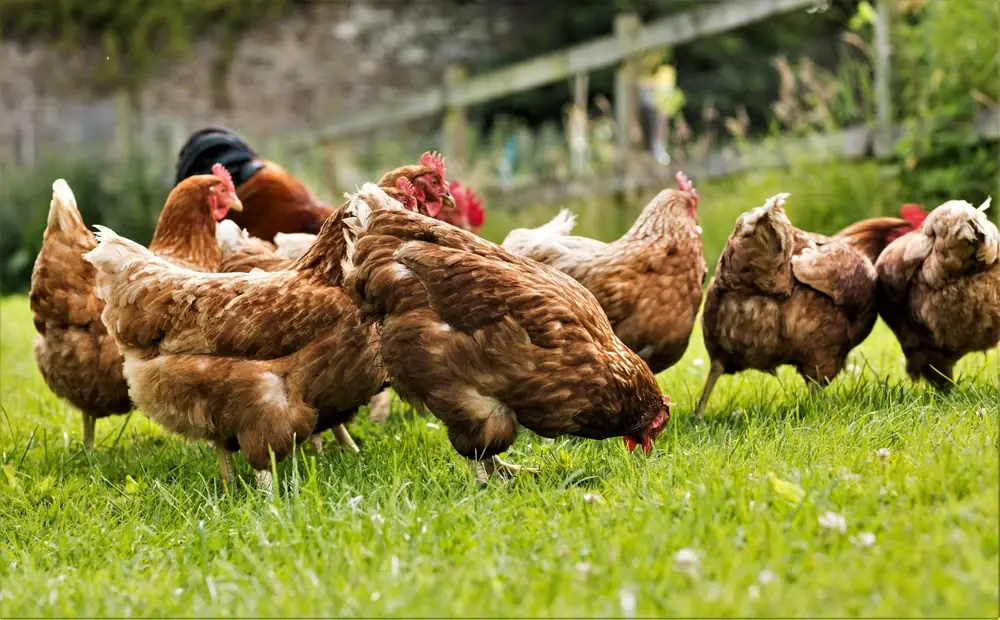
For example, a hen eating a diet containing substantial amounts of yellow corn may produce eggs with golden-yellow yolks.
A hen consuming more green plants, alfalfa, or other carotenoid-rich ingredients may produce eggs with deeper yellow or orange yolks.
Meanwhile, a hen whose diet contains fewer of these pigments may lay eggs with relatively pale yolks.
This is a natural variation rather than automatic evidence of poor health.
University of Florida agricultural extension specialists explain that yolk pigmentation is strongly influenced by the ingredients in a hen's feed.
Which of the three eggs is the healthiest?
If you are trying to identify the healthiest chicken by looking at the three yolks, there is no scientifically reliable winner.
Egg number one may come from a healthy hen receiving a balanced diet with fewer yellow-orange pigments.
Egg number two may come from another healthy hen whose feed contains more carotenoids.
Egg number three may have a deep orange appearance because the hen consumes a diet particularly rich in those pigments.
All three eggs can be nutritious.
The yolk's appearance alone cannot establish the chicken's living conditions, disease status, welfare, or overall health.
This is one reason food scientists and agricultural specialists discourage consumers from using yolk color as the only measure of egg quality.
Does a darker yolk mean better food?
Not necessarily.
A darker yolk can contain more of certain dietary pigments, including carotenoids such as lutein and zeaxanthin, depending on the hen's diet.
These compounds are of nutritional interest because they have antioxidant properties.
However, a darker appearance does not automatically mean an egg contains more protein, more essential nutrients, or a healthier balance of fats.
Two eggs with different yolk colors may have broadly similar nutritional profiles.
There can be nutritional differences between eggs produced under different feeding systems, but those differences must be measured rather than guessed from color.
For example, some specially formulated feeds can increase the omega-3 fatty acid or vitamin D content of eggs.
These nutritional enhancements are different from simply producing a darker yolk.
The American Egg Board recommends checking nutritional information on the packaging when consumers want eggs with specifically enhanced nutrient levels.
American Egg Board+1
Why do people prefer orange yolks?
The preference is partly cultural and partly related to appearance.
In some countries, consumers associate orange yolks with traditional farm eggs.
A rich golden yolk can also make certain dishes look more attractive.
Think about a freshly prepared breakfast with fried eggs, toast, and vegetables. A bright orange yolk may appear particularly appealing on the plate.
Food producers understand these preferences.
Some adjust the composition of poultry feed to produce yolks with a particular shade.
This means a deep orange yolk is not necessarily proof that the chicken spent its entire life outdoors.
It may simply reflect carefully selected feed ingredients.
The most important lesson
When you crack open an egg, do not immediately assume that the darkest yolk is the healthiest.
A pale yellow yolk is not automatically inferior, and a deep orange yolk is not a guarantee of superior quality.
Instead, consider the egg's freshness, safe handling, storage conditions, and the reliability of the producer.
The three colors in the picture demonstrate something important: nature allows eggs to look different even when they can all be perfectly suitable for eating.
Chapter 2: What the Chicken Eats Determines the Color of Its Eggs
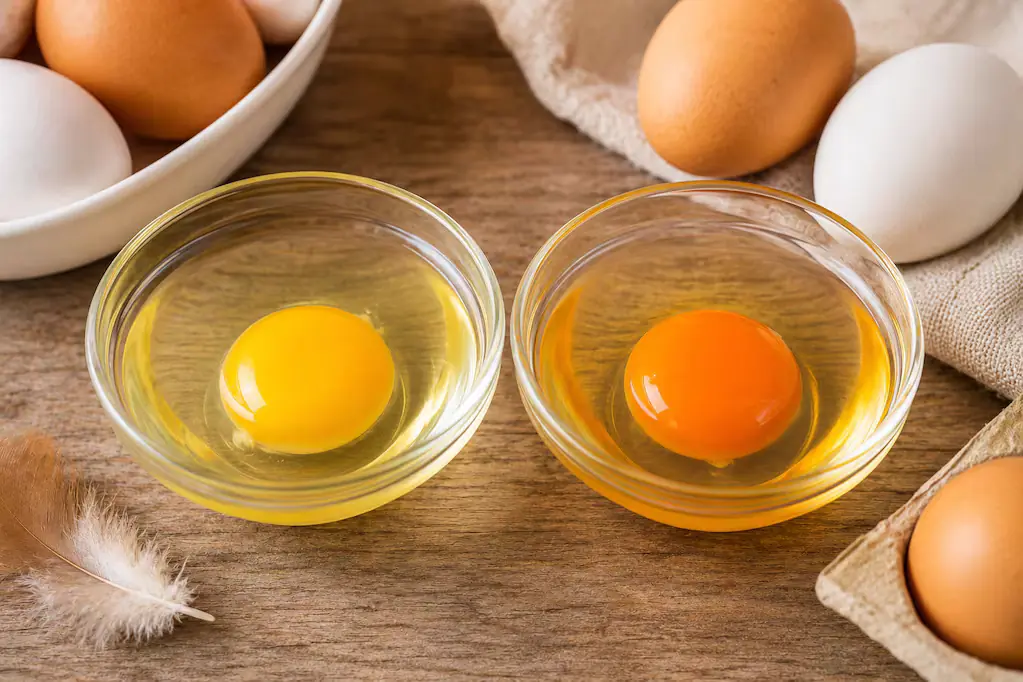
To understand why egg yolks have different colors, it helps to look beyond the egg itself.