Which Plants Effectively and Safely Repel Mosquitoes?
Growing mosquito-repellent plants is a natural and eco-friendly solution to keep these disease-carrying insects away from your living space.
Mosquitoes are not just annoying with their buzzing sounds and itchy bites; they also transmit dangerous diseases like dengue fever, malaria, and Zika virus. While chemical repellents are commonly used, many people are turning to natural, safe, and environmentally friendly alternatives, such as planting mosquito-repelling plants.
Why Can Plants Repel Mosquitoes?
Some plants can naturally repel mosquitoes due to the high concentration of essential oils found in their leaves, stems, flowers, or roots. These oils contain chemical compounds with distinct scents that mosquitoes find unpleasant and tend to avoid.
Key compounds with mosquito-repellent properties include citronellal, geraniol, linalool, and eugenol. These compounds work in two primary ways:
-
Direct Repellent: The strong aroma of essential oils makes mosquitoes uncomfortable, disoriented, and more likely to avoid the area.
-
Masking Human Scents: Mosquitoes locate their targets by detecting body odors, especially carbon dioxide and lactic acid. The scent from these plants can mask or overpower human odors, making it harder for mosquitoes to find and bite us.
Top Mosquito-Repellent Plants
Here are some effective "green warriors" to help you naturally and safely repel mosquitoes:
-
Citronella Grass (Cymbopogon citratus) Known as the most popular mosquito-repelling plant, citronella grass contains high levels of citronellal, giving it a strong fragrance that keeps mosquitoes away. It grows quickly and can be planted in pots or gardens.
-
Lavender (Lavandula spp.) Lavender's pleasant scent comes from compounds like linalool and camphor, which are effective at repelling mosquitoes and other insects. This plant thrives in sunny locations with well-drained soil.
-
Basil (Ocimum basilicum) Basil contains essential oils like citronellal, limonene, and eugenol, making it a natural mosquito deterrent. It's easy to grow in pots, balconies, or herb gardens.
-
Marigolds (Tagetes spp.) Beyond their vibrant orange and yellow blossoms, marigolds emit a scent that repels mosquitoes and other pests. These hardy plants grow well in sunny areas and bloom continuously.
-
Rosemary (Salvia rosmarinus) This Mediterranean herb has a strong, woody aroma thanks to camphor, cineole, and limonene, which mosquitoes dislike. Rosemary grows best in sunny, well-drained locations.
-
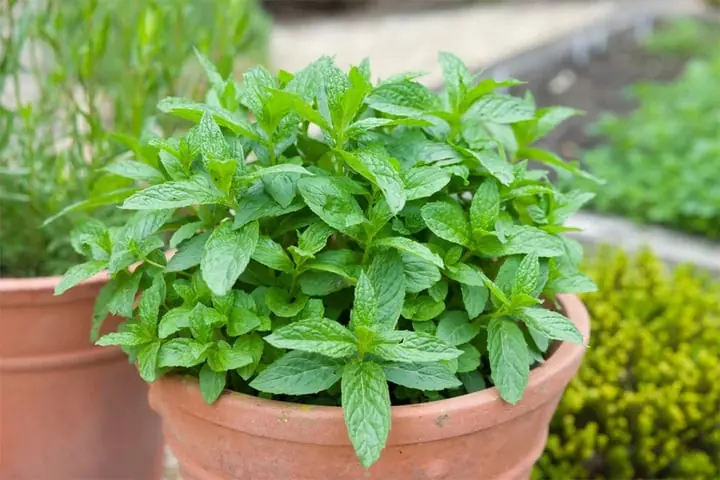
Mint (Mentha spp.) Mint's refreshing, cool fragrance comes from menthol, which helps deter mosquitoes. Mint grows rapidly and is best kept in pots to prevent it from spreading uncontrollably.
-
Scented Geranium (Pelargonium spp.) Scented geraniums, especially citronella varieties, release citronellal-rich oils that repel mosquitoes effectively. These plants are sun-loving, easy to grow, and boast beautiful flowers.
Tips for Using Mosquito-Repellent Plants Effectively
-
Place these plants near mosquito-prone areas like windows, doors, balconies, patios, and outdoor seating areas.
-
Grow multiple plants to maximize effectiveness, especially in larger areas or regions with high mosquito populations.
-
Crush or lightly rub leaves occasionally to release more essential oils and enhance their repellent properties.
-
Combine different plant species to create a comprehensive mosquito barrier.
In addition to growing these plants, you can extract their essential oils for diffusing indoors, spraying diluted oils on clothing, or using oil burners to distribute the fragrance more effectively.
Important Considerations
-
Limited Effectiveness: While these plants offer a natural and safe solution, their effectiveness may be less than chemical repellents. Factors such as plant type, quantity, weather conditions, and mosquito density can influence results.
-
Complementary Measures: Use these plants as part of a broader mosquito-control strategy, including keeping your home clean, eliminating stagnant water, and using mosquito nets when necessary.
-
Allergy Awareness: Although rare, some individuals may experience skin or respiratory irritation from plant oils. If you have a history of allergies, test cautiously and monitor your body's reactions.
By incorporating these mosquito-repelling plants into your home and garden, you can enjoy a safer, more comfortable, and naturally protected environment.