Identifying Milia
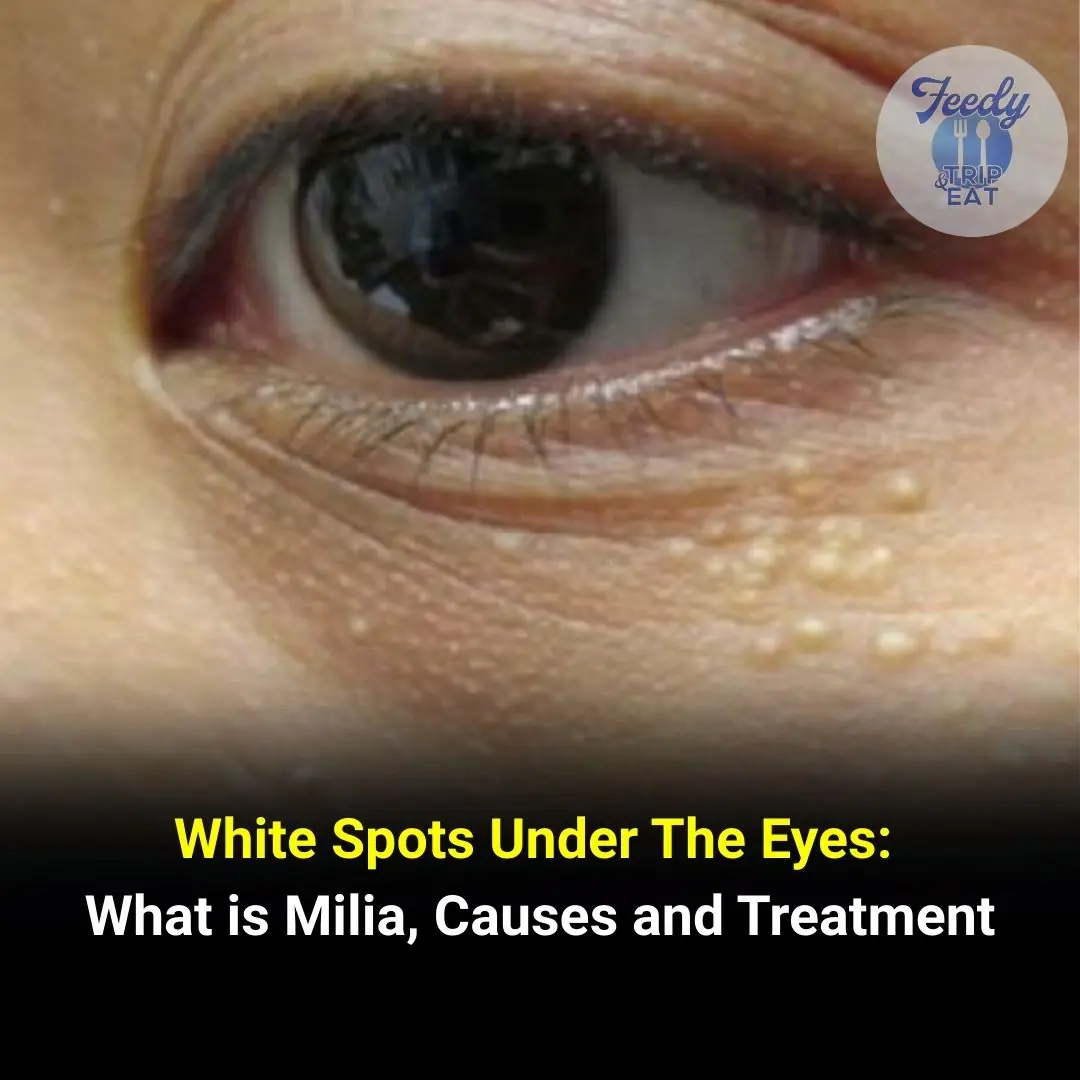
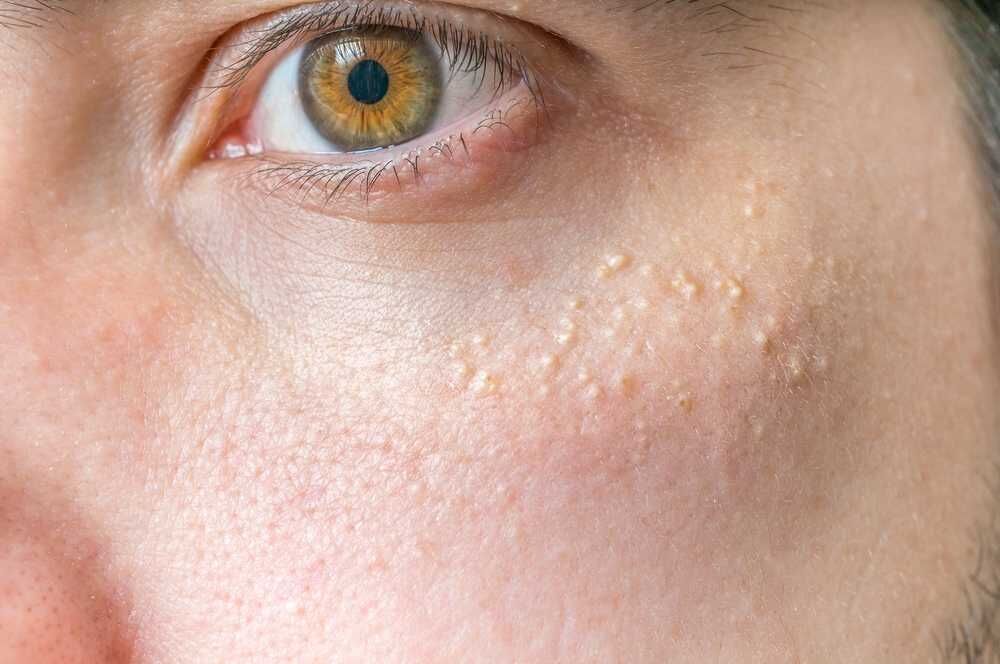
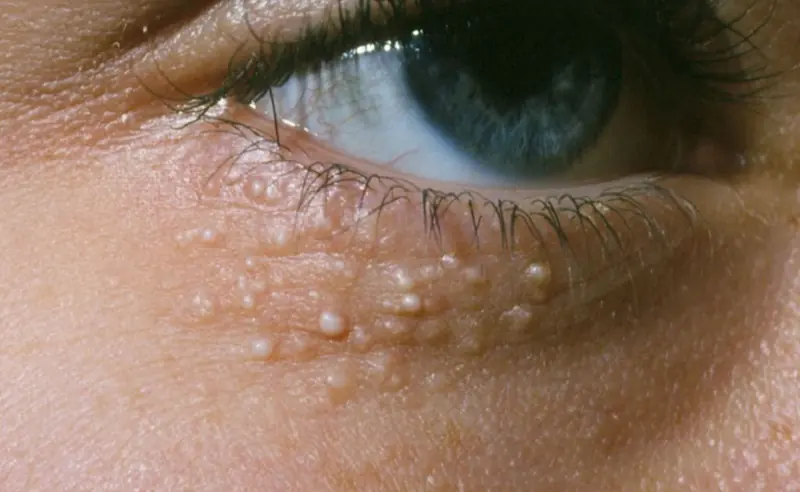
- Tiny (1-2mm), round, white or yellowish bumps
- Typically not red, inflamed, or painful
- Most often found clustered in groups
- Do not itch or produce pus
*Members preferred price for 4-day accelerated program. Save $3,605! Membership is only $295/yr and can be added during registration. Add a friend or team member and save $1,000 more on their 4-day registration!
Primary Milia And Secondary Milia: What You Need To Know
Key Differences:
- Primary milia: Develops on healthy skin, usually on the face.
- Secondary milia: Result from skin damage, can occur anywhere.
Is Milia A Serious Skin Condition?
The good news: Milia is almost always benign. It’s not contagious, dangerous, or a sign of an underlying illness. Most cases are a cosmetic rather than a medical issue. However, they can occasionally cause concern due to their stubborn appearance and resistance to standard skin care routines.
What Causes Milia?
Milia forms when keratin (a strong protein found in skin, hair, and nails) becomes trapped beneath the skin. Unlike pimples, which result from clogged pores, milia are cysts unrelated to oil or bacteria. Common causes of milia include:
- Natural skin turnover (especially slowdown with aging)
- Use of heavy, comedogenic skincare products (particularly around the eyes)
- Skin injuries (burns, abrasions, blisters)
- Prolonged sun damage, which thickens skin
- Genetic predisposition
- Use of steroid creams
- Certain cosmetic procedures that disrupt the top skin layer
Safe and Effective Milia Removal Techniques
- Manual Extraction
- Performed by: Dermatologist/aesthetician
- How it works: A sterile, fine needle creates a tiny opening in the skin, after which a comedone extractor gently removes the cyst.
- Is it safe? Yes, when performed in a professional, sterile setting. Never attempt at home (risk of infection or scarring).
- Topical Retinoids
- How it works: Prescription creams containing retinoids help speed up skin cell turnover and may help milia resolve over time.
- Indication: Best for widespread or recurring milia.
- Chemical Peels
- How it works: Gentle acids (like glycolic or lactic) exfoliate the top skin layer, assisting the natural resolution of milia.
- Note: Should be tailored to sensitive under-eye skin.
- Laser Ablation
- How it works: Special dermatologic lasers can precisely target and vaporize milia cysts.
- Usage: Reserved for persistent or multiple milia.
- Cryotherapy
- How it works: Liquid nitrogen freezes and destroys the cyst, allowing it to slough off as the skin heals.
- Risks: May cause temporary redness or pigment changes; generally used less frequently near the eyes.
Are Milia Treatments Safe?
When performed by a trained professional, milia removal is safe and rarely causes scarring or complications. Home treatments or attempts to squeeze milia are not recommended and may damage the delicate skin, especially around the eyes.
Practitioners should:
- Use sterile equipment
- Avoid aggressive techniques
- Educate patients about aftercare to prevent infection
Are Milia Treatments Effective?
- Using non-comedogenic and gentle skincare around the eyes
- Regular, gentle exfoliation (without irritation)
- Avoiding heavy creams and sunscreens in the periocular area
Frequently Asked Questions
- Can milia go away on their own? Yes, especially in infants, primary milia often resolve spontaneously. In adults, they can persist for months or years without intervention.
- Can I remove milia at home? No. Home extraction can lead to scarring and infection, especially in the delicate under-eye area. Always seek professional care.
- Are over-the-counter creams for milia effective? Some mild retinoid or exfoliant preparations may help, but these should be used with caution around the eyes and under professional guidance.
- Does diet affect milia? There is no strong evidence linking diet to milia formation, though good skin health overall is always encouraged.
- Will milia return after removal? They can, especially if risk factors persist, but recurrence is less likely with proper skincare and professional guidance.
- Is milia contagious? No, milia cannot be spread from person to person.
Conclusion
Milia are common, harmless cysts that often appear as stubborn white spots under the eyes. They are caused by keratin trapping and can be divided into primary and secondary types. Home removal is discouraged—safe and effective treatment options are available in medical aesthetic clinics, ranging from manual extraction to topical and device-assisted solutions. Education and appropriate aftercare significantly reduce risks, and regular skin checkups can help manage recurrent cases.