Thyroid cancer needs to be treated as early as possible. Detecting the disease at a late stage makes treatment more difficult than at an early stage.
A 60-year-old woman was diagnosed with two forms of thyroid cancer
Mrs. T., 60 years old, discovered thyroid nodules in the right lobe about two years ago. At that time, the nodules were small, measuring 3.7×1.8 mm (TIRADS 3 – low risk of malignancy) and 4.1×3.7 mm (TIRADS 4 – suspicious for malignancy). She went for follow-up every six months.
One year later, one of the nodules increased to TIRADS 5 – highly suspicious for malignancy. The doctor advised a fine-needle aspiration (FNA), but the patient refused due to fear of surgery. She searched for folk remedies, used herbal treatments, adjusted her diet, and delayed intervention.
By March 2025, during a follow-up at Tam Anh General Hospital in Ho Chi Minh City, the results showed significant growth: two right-lobe nodules (7×5×5 mm and 3×2 mm) classified as TIRADS 5, along with spongiform nodules and cysts in the left lobe (TIRADS 1). Mrs. T. agreed to undergo FNA, and the results confirmed papillary thyroid carcinoma.
She underwent surgery. After two hours, the entire thyroid gland was completely removed with minimal injury to the nerves and parathyroid glands. Histopathology confirmed two foci of two different papillary carcinoma variants in the right lobe: one conventional variant and one follicular variant.
Causes of thyroid cancer
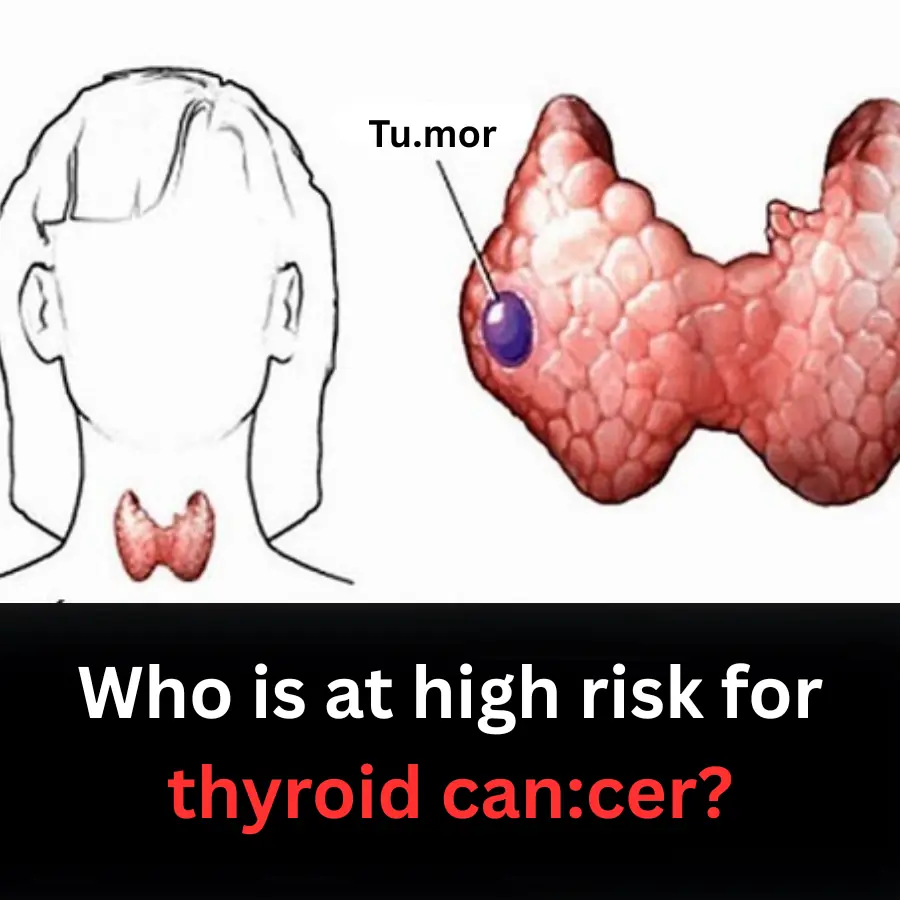
The thyroid is an important endocrine organ located in the neck, shaped like a butterfly with two lobes connected by the isthmus. Thyroid cancer occurs when normal cells in the thyroid mutate abnormally and grow uncontrollably.
To date, the exact cause is still unknown. However, several factors increase the risk, such as previous radiation therapy to the neck or exposure to high levels of radiation. A family history of thyroid cancer or related syndromes also raises risk, although only a small proportion of cases are hereditary.
Who is at higher risk of thyroid cancer?
Thyroid cancer can occur in many individuals, but some groups are at higher risk:
– Family history of thyroid cancer, goiter, or thyroid diseases
– Women, who have a higher incidence than men
– Individuals aged 25–65, among whom thyroid cancer is most commonly detected
– Older adults, though younger people may also develop the disease
– Asians, who have a higher incidence compared to some other ethnic groups
– People exposed to radiation
Symptoms of thyroid cancer
In its early stages, the disease often causes no symptoms and may only be detected during routine check-ups.
When symptoms appear, a lump in the thyroid may be felt. Other signs include:
– Hoarseness
– Difficulty swallowing when the tumor presses on the esophagus
– Shortness of breath if the tumor invades the trachea
– In later stages, palpable neck lymph nodes or symptoms of distant metastasis such as bone pain
These symptoms may indicate other conditions, not necessarily thyroid cancer. However, if any of these signs appear, you should seek examination at a specialized medical facility.