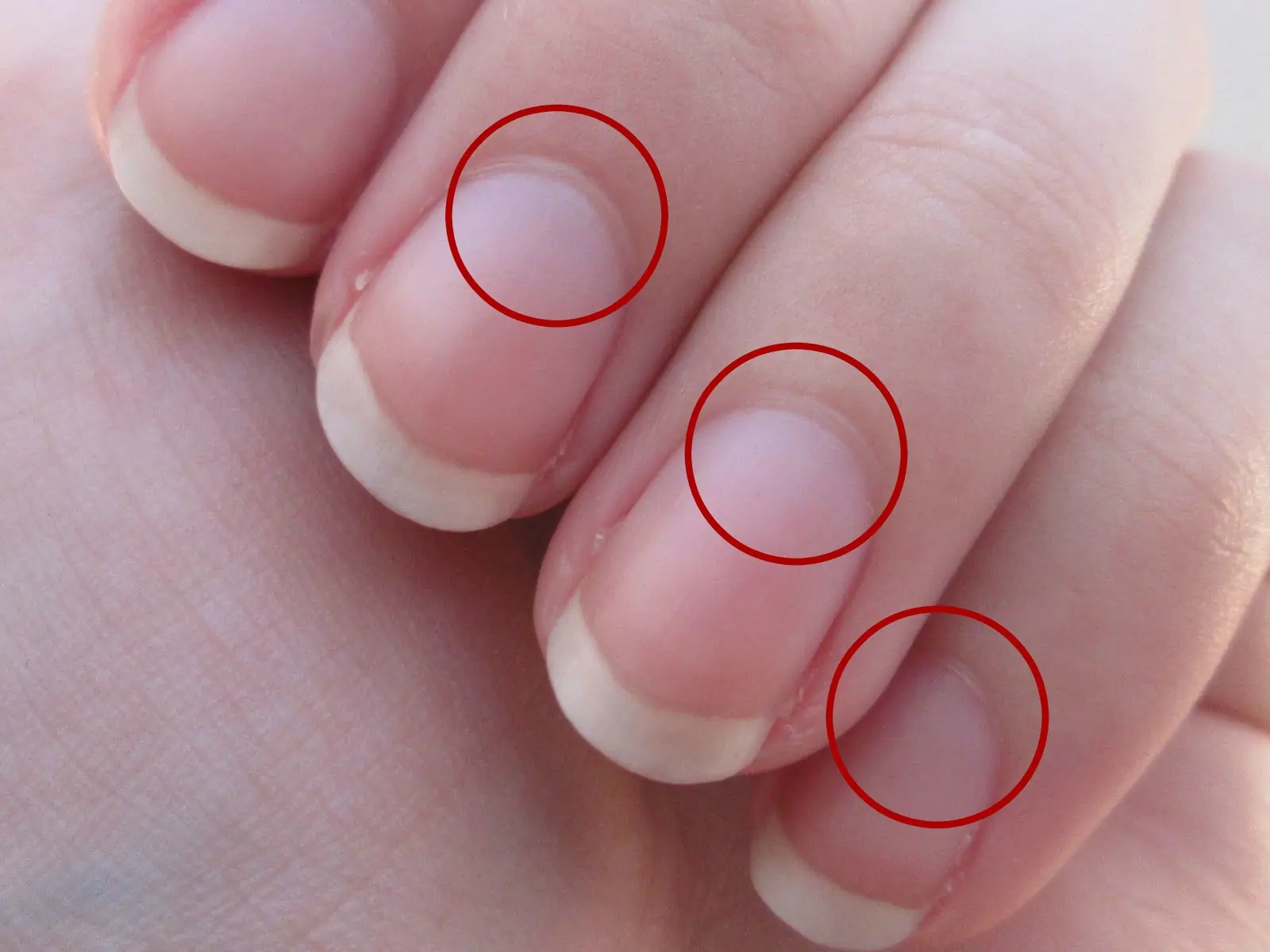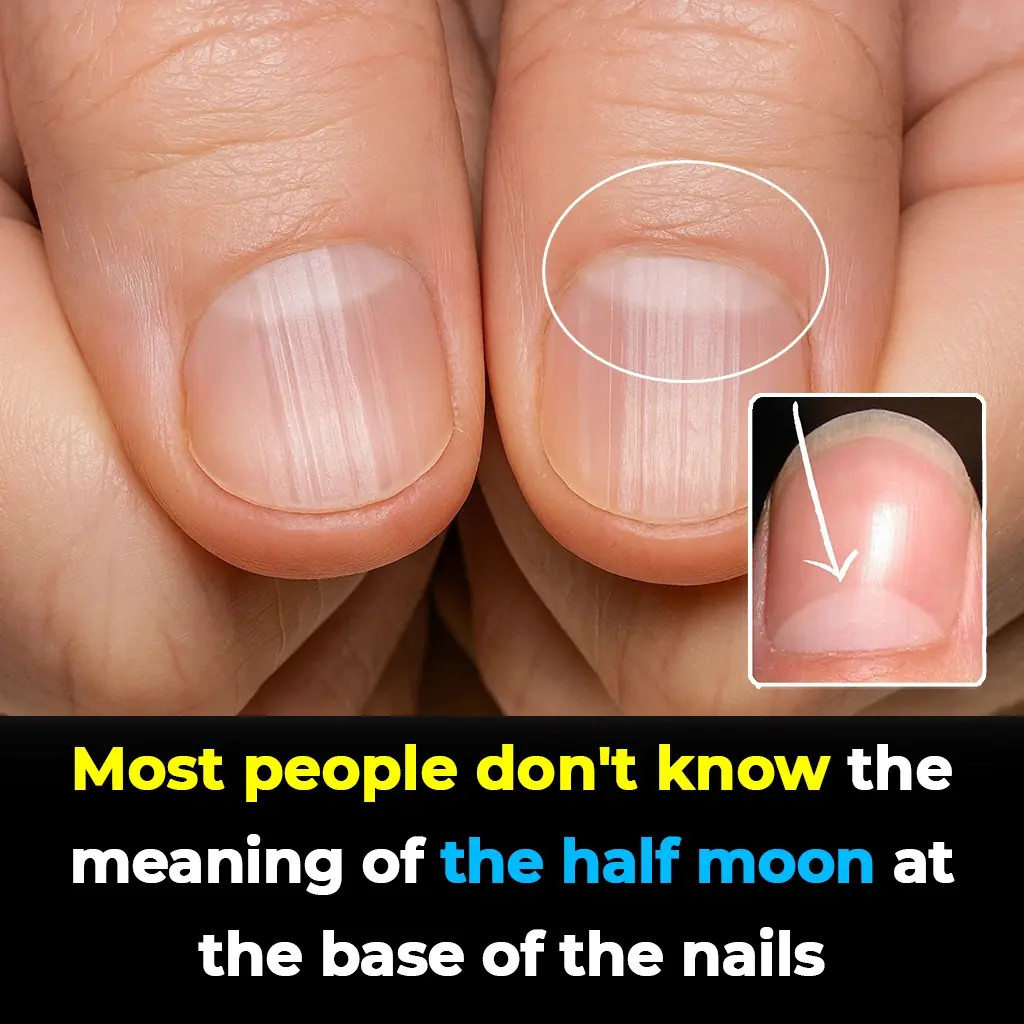
If you look closely at your fingernails, you may notice a pale, half-moon-shaped area at the base. This feature is called the lunula, meaning “little moon” in Latin. While most people hardly pay attention to it, the lunula actually plays an important role in nail formation — and its appearance can offer clues about your overall health.
Some lunulae are large and bright, others are barely visible, and on certain fingers they may appear or disappear over time. Understanding these changes can help you detect nutritional imbalances, circulation issues, thyroid problems, and more.
Below is a comprehensive guide to what the lunula really is, what it indicates, and how to interpret its variations.
1. What Is the Lunula and Why Does It Exist?
The lunula is part of the nail matrix - the area under the skin where new nail cells are produced. Because this structure is lighter in color than the rest of the nail, it appears as a whitish half-moon.
Functions of the lunula:
-
Plays a major role in forming new nail tissue
-
Helps regulate nail growth speed
-
Acts as a protective layer for the nail root
-
Serves as a visual indicator of metabolic and circulatory health
A healthy lunula usually appears whitish or pale because the new cells underneath are not yet fully keratinized.
2. What a Healthy Lunula Typically Looks Like
Doctors consider the following characteristics normal:
Normal size and appearance:
-
Visible on both thumbs
-
Light whitish color
-
Smooth, semi-circular shape
-
Covers about one-fifth of the nail surface
-
Gradually gets smaller on the other fingers
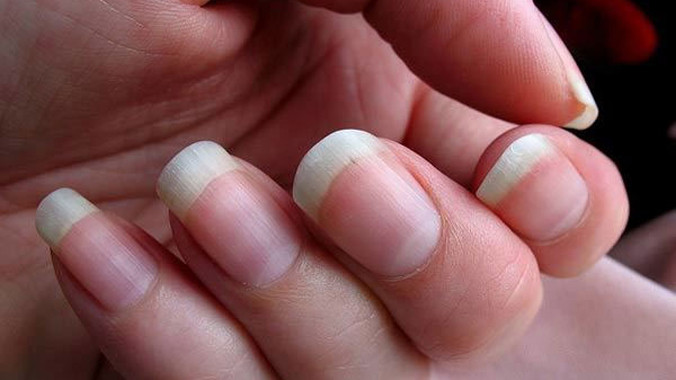
The lunula often does not appear on the little finger, and this is completely normal.
3. What a Large Lunula May Indicate
When the half-moon is unusually large, especially on multiple fingers, it may reflect increased metabolic activity.
Possible indicators include:
-
High blood pressure
-
Overactive thyroid (hyperthyroidism)
-
High levels of physical activity (common in athletes)
-
Stress or adrenaline overproduction
A large lunula is not always a bad sign; some people are simply born with them. But a sudden increase in size may signal a metabolic or cardiovascular change.
4. What a Small or Missing Lunula May Mean
When the lunula becomes very small or disappears entirely, it can indicate low energy levels or weakened metabolism.
Potential causes include:
-
Iron deficiency
-
Vitamin B12 deficiency
-
Low blood pressure
-
Slow metabolism
-
Circulation issues
-
Chronic stress or fatigue
A missing lunula is not always abnormal - but if it appears gradually across all fingers, it may be worth investigating.
5. Color Changes: What They Reveal About Your Health
The color of the lunula can sometimes point to specific health conditions.
Blue lunula
May indicate:
-
Circulation or oxygenation problems
-
Cardiovascular disease
-
Raynaud’s phenomenon
Red lunula
May be linked to:
-
Heart or lung issues
-
Autoimmune disorders
-
Severe inflammation
White lunula (very pale)
May signal:
-
Nutritional deficiencies
-
Anemia
-
Liver stress
Purple lunula
Often associated with:
-
Poor blood flow
-
High blood pressure
-
Vascular spasms
These signs are not diagnostic but should be discussed with a doctor if persistent.
6. What the Lunula on Each Finger Represents
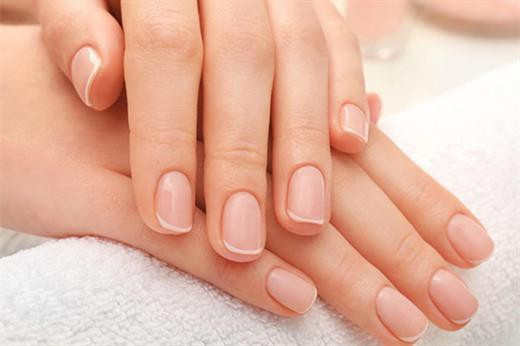
Some traditional medical systems - including Eastern medicine, Ayurveda, and reflexology - believe each finger reflects a different aspect of health.
Thumb
Represents:
-
Respiratory health
-
Mental focus
-
Energy regulation
A missing lunula here may suggest fatigue or stress.
Index finger
Linked to:
-
Digestion
-
Liver and pancreas
A very small lunula may reflect digestive weakness.
Middle finger
Associated with:
-
Circulatory system
-
Blood pressure
Changes here may hint at heart-related issues.
Ring finger
Represents:
-
Hormones
-
Reproductive health
A fading lunula may indicate hormonal imbalance.
Little finger
Usually has no lunula - this is completely normal.
These interpretations are not medical diagnoses but may offer additional insight.
7. When Lunula Changes May Signal a Health Concern
You should consider speaking with a healthcare provider if you notice:
-
Sudden shrinking or disappearance of all lunulae
-
Lunulae turning blue, red, or purple
-
Lunulae becoming extremely large without reason
-
Accompanying symptoms like fatigue, dizziness, or cold hands
-
Persistent changes lasting more than a few months
Nail health often reflects internal health, especially metabolism and circulation.
8. How to Support Healthy Lunula and Nail Growth
Improving your lunula’s appearance naturally involves supporting overall health:
Nutritional steps
-
Eat iron-rich foods (spinach, lean meat, legumes)
-
Increase vitamin B12, B6, and folate
-
Consume protein daily
-
Add omega-3s for nail strength
Hydration
Dehydration affects nail growth - drink enough water daily.
Improve circulation
-
Moderate exercise
-
Stretching
-
Warm compresses for cold hands
Reduce stress
Chronic stress alters blood flow and metabolism, which can affect the lunula.
Regular medical check-ups
Especially if changes in your nails accompany other symptoms.
Conclusion
The half-moon at the base of your nails - the lunula - is more than a simple visual detail. It’s a small but insightful indicator of how well your body is functioning. While not a diagnostic tool on its own, its size, color, and appearance can provide valuable clues about your metabolism, circulation, stress levels, nutritional status, and overall health.
By paying attention to these subtle signals, you may detect issues early and take steps toward supporting better well-being from the inside out.