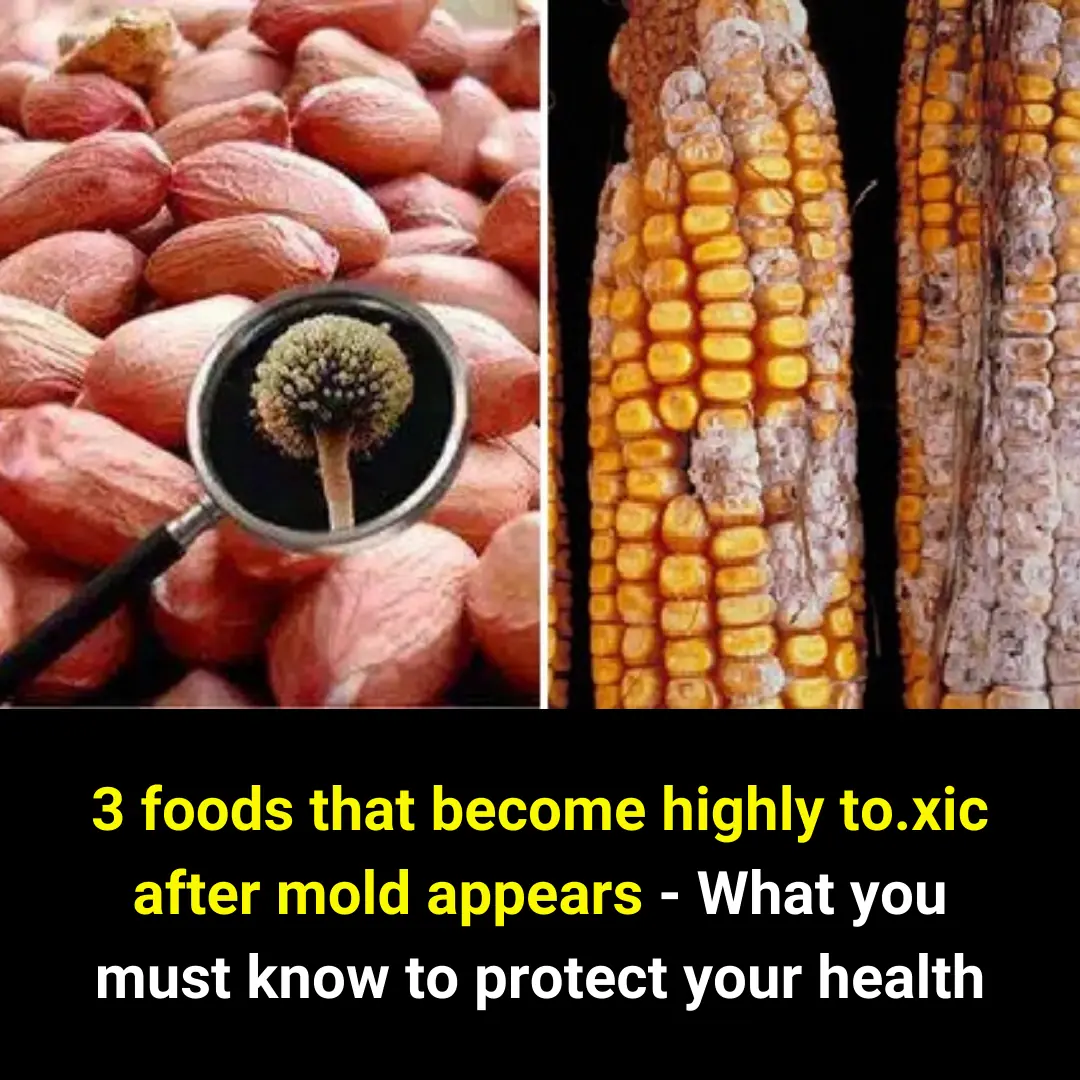
Many people believe that mold on food is harmless if it is cut away or removed. However, the truth is that certain foods become extremely dangerous once mold begins to grow. This is because invisible toxins, known as mycotoxins, can spread far beyond the visible mold spots, making the entire food item unsafe to eat.
Some molds can cause mild symptoms such as stomach discomfort, but others can produce carcinogenic, liver-damaging, or immune-suppressing toxins. These harmful substances cannot be destroyed by boiling, cooking, frying, or reheating - meaning that once the food molds, it should never be consumed.
Below are three types of foods that become highly toxic after mold appears, along with detailed explanations and safety tips.
1. Peanuts and Peanut-Based Products
Peanuts are one of the foods most likely to develop aflatoxins, a dangerous type of mycotoxin produced by Aspergillus flavus and Aspergillus parasiticus.
Why moldy peanuts are so dangerous
-
Aflatoxins are classified as Group 1 carcinogens (the highest risk category).
-
They can damage the liver and increase the risk of liver cancer.
-
Toxins spread deeply into the nut, even when mold appears only on the surface.
-
Cooking, roasting, or boiling does not eliminate aflatoxins.
Foods at high risk include:
-
Peanuts
-
Peanut butter
-
Peanut cakes or candy
-
Peanut flour
-
Stored or leftover peanut-based snacks
Warning signs:
-
Slight musty smell
-
Bitter taste
-
Visible mold or discoloration
-
Damp or improperly stored peanuts
If peanuts show any sign of mold or an unusual smell, discard them immediately.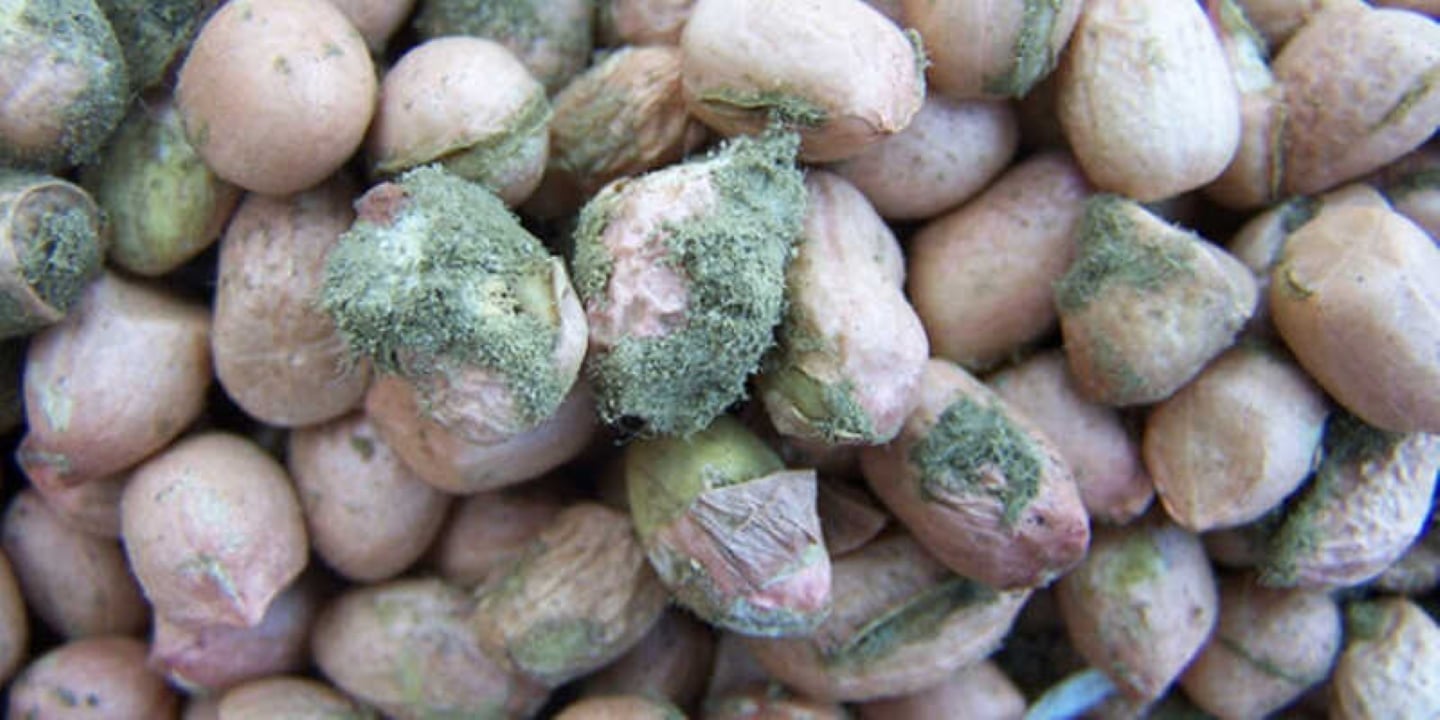
2. Grains and Seeds (Corn, Rice, Wheat, Sesame, etc.)
Grains and seeds can develop highly toxic molds when exposed to moisture, humidity, or improper storage. These molds produce aflatoxins, ochratoxins, and other harmful compounds.
High-risk foods include:
-
Corn
-
Rice
-
Wheat, flour, and noodles
-
Sesame seeds (including black sesame)
-
Nuts and cereals
-
Stored grains or homemade products
-
Dried foods kept for long periods
Why these foods become toxic
-
Mold spreads quickly through the entire grain, not just the surface.
-
Toxins can remain even if the food is dried again.
-
Mycotoxins are heat-resistant - cooking or steaming does not neutralize them.
-
Long-term exposure can harm the liver, kidneys, digestion, and immune system.
Common situations that cause mold growth:
-
Using damp containers
-
Storing in humid environments
-
Leaving grains uncovered
-
Keeping grains too long after opening
If rice, flour, seeds, or grains smell sour, musty, or appear clumped together, they should be thrown away.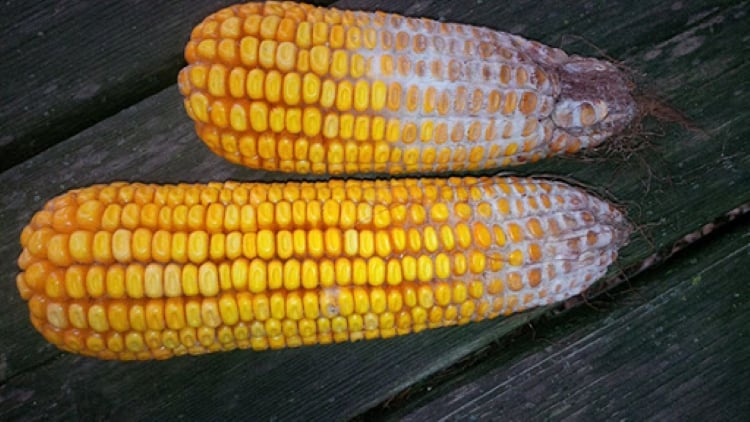
3. Moldy Bread and Baked Goods
Many people think it's safe to cut off moldy parts of bread, but this is unsafe. Bread is soft and porous, allowing mold roots (hyphae) to spread far beneath the surface, even if only a small spot is visible.
Why moldy bread is dan.gerous
-
Mold spreads invisibly through the entire loaf.
-
Bread molds can produce harmful mycotoxins.
-
Spores spread easily and rapidly.
-
Reheating, toasting, or microwaving does not remove toxins.
Foods in this category include:
-
Sandwich bread
-
Buns
-
Cakes
-
Pastries
-
Muffins
-
Any soft baked goods
Signs your bread is unsafe:
-
Green, white, or black fuzzy spots
-
Sweet-sour or musty smell
-
Unusual softness or moisture
Once mold appears, the entire loaf or batch should be discarded.
Why Moldy Foods Are So Dangerous - The Science Behind It
Mold can produce mycotoxins, toxic compounds that may cause:
-
Liver damage
-
Kidney damage
-
Suppressed immunity
-
Allergic reactions
-
Digestive problems
-
Increased cancer risk
-
Developmental issues in children
Because mold roots penetrate deeply and toxins spread invisibly, removing the visible mold does not make the food safe.
Additionally:
-
Mycotoxins are heat stable
-
They cannot be removed by washing
-
They resist cooking, baking, boiling, and freezing
This is why certain foods must be thrown away immediately once mold appears.
How to Prevent Mold Growth in Your Home
Store foods properly
-
Keep grains in airtight, moisture-free containers.
-
Store nuts and seeds in cool, dry areas - or refrigerate for long-term storage.
-
Avoid leaving bread in warm or humid places.
Inspect foods regularly
-
Check for off smells, discoloration, or clumping.
-
Look closely at older packaged goods.
Buy smaller quantities
-
Especially for seeds, nuts, and grains - only buy what you can consume within a reasonable time.
Control humidity levels
-
Kitchen humidity between 40–60% helps prevent mold growth.
Clean containers and storage jars thoroughly
-
Do not reuse jars with moisture or previous mold contamination.
Conclusion
Not all moldy foods are equally dangerous, but some foods become highly toxic once mold appears - especially peanuts, grains and seeds, and soft baked goods like bread. These foods can develop mycotoxins that spread invisibly and cannot be destroyed by cooking.
Recognizing which foods must be discarded is essential for protecting your family's health. When in doubt, follow the safest rule:
If mold appears on high-risk foods, throw them away immediately.
This simple habit can prevent long-term exposure to harmful toxins and ensure safer eating every day.