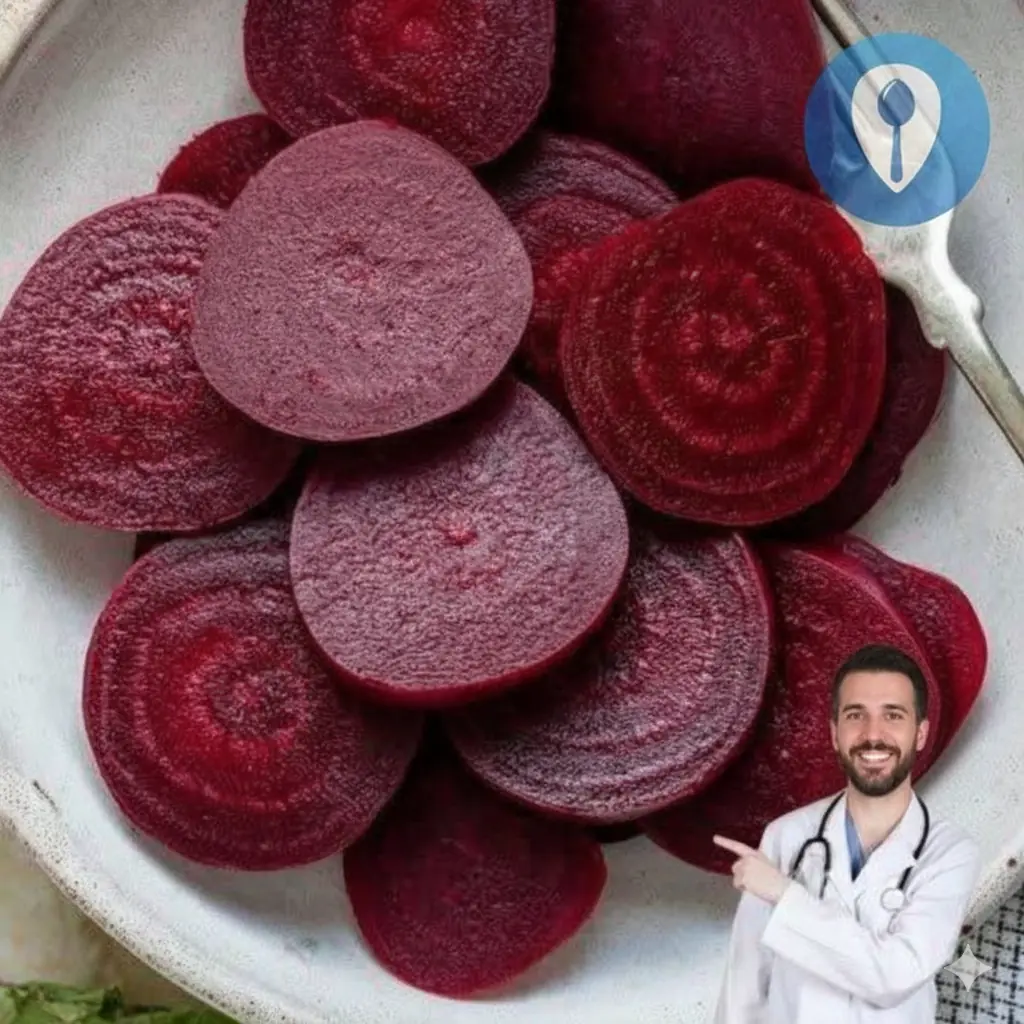
A More Credible and Evidence-Based Rewrite
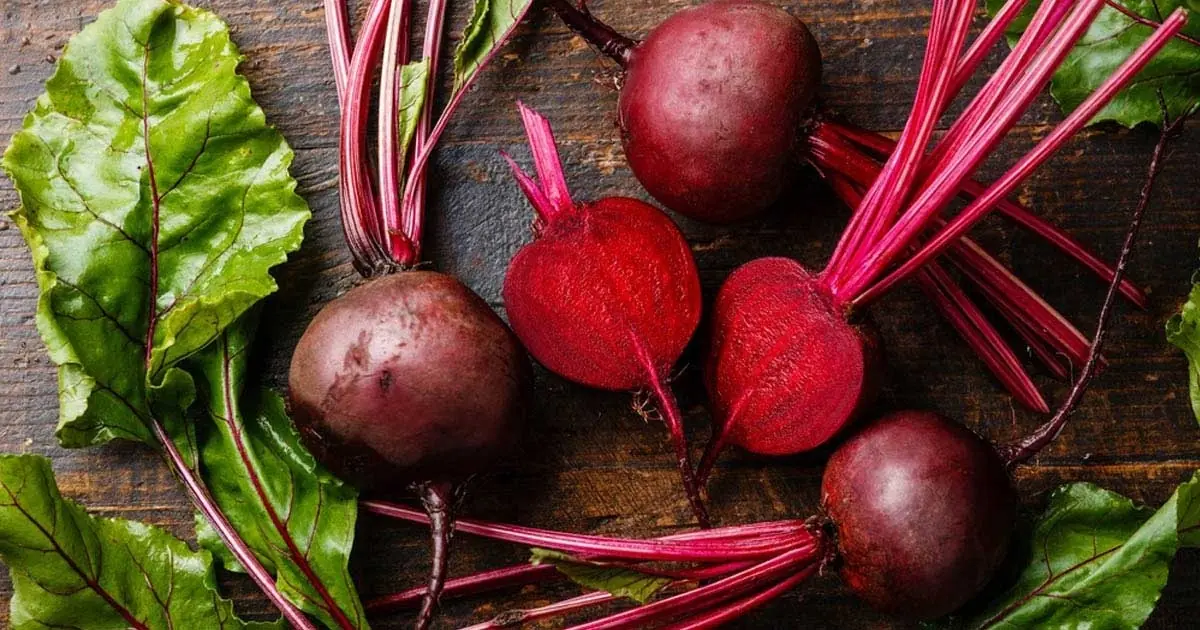
Often overlooked as a simple root vegetable, beetroot (Beta vulgaris) is widely recognized in nutrition science for its rich profile of dietary nitrates, antioxidants, vitamins, minerals, and anti-inflammatory plant compounds. These bioactive components contribute to several documented health benefits supported by reputable research institutions.
Beyond its earthy flavor and striking color, beetroot provides nutrients that may support cardiovascular function, brain health, athletic performance, and metabolic wellness.
Emerging evidence from peer-reviewed studies and trusted health organizations—including the National Institutes of Health (NIH), the American Heart Association (AHA), and research published in journals such as Hypertension, Nutrients, and The Journal of Nutrition—suggests that beetroot may play a beneficial role in overall health when included as part of a balanced diet.
Below is a clearer, scientifically grounded overview of beetroot’s nutritional value and its potential health effects.
Nutritional Powerhouse: What Makes Beetroot Special?
Per 100 g of cooked beetroot (USDA):
-
Calories: 44 kcal
-
Folate (B9): ~20% DV (supports cell growth and red blood cell formation)
-
Manganese: ~14% DV (supports metabolism and bone development)
-
Potassium: ~9% DV (helps maintain normal blood pressure)
-
Vitamin C: ~6% DV
-
Also contains: fiber, iron, magnesium, phosphorus
-
Key compounds: dietary nitrates, betalains (antioxidant and anti-inflammatory pigments)
These nutrients collectively support multiple body systems, particularly the cardiovascular and digestive systems.
1. Blood Pressure Support (Hypertension)
Beetroot is one of the most studied natural sources of dietary nitrates. When converted to nitric oxide, these compounds help relax and widen blood vessels.
Evidence
A randomized controlled trial published in Hypertension (2015) found that 250 ml of beetroot juice daily reduced systolic blood pressure by about 8–10 mmHg.
How to use
One cup of fresh beetroot juice or a serving of cooked beets can be included as part of a heart-healthy diet.
2. Cardiovascular Health
Studies from the American Heart Association indicate that nitric oxide improves blood vessel function and may reduce cardiovascular strain.
Beetroot may help:
-
Support blood vessel flexibility
-
Reduce oxidative stress
-
Improve circulation
Note: Beetroot is a dietary aid, not a treatment for heart disease.
3. Anemia & Iron Intake Support
Beetroot contains iron and folate—nutrients important for red blood cell development.
However, it does not replace medical treatment for iron-deficiency anemia.
Pairing beetroot with vitamin-C-rich foods (e.g., lemon) may enhance iron absorption.
4. Liver Support
Some studies suggest betalains in beetroot may help reduce oxidative stress in liver cells.
Research in Nutrients shows potential benefits for non-alcoholic fatty liver disease (NAFLD), but human clinical evidence is still limited.
Beetroot can support general liver health but cannot treat liver diseases on its own.
5. Blood Sugar & Metabolic Health
Despite its sweetness, beetroot has a low to moderate glycemic index.
It may help:
-
Slow glucose absorption due to fiber
-
Reduce inflammation related to insulin resistance
Beetroot can be part of a balanced diet for people with type 2 diabetes—in moderation.
6. Anti-Inflammatory Support
Betalains have demonstrated anti-inflammatory activity in laboratory studies.
Some small human studies suggest beetroot may modestly reduce inflammatory markers such as CRP, though results vary.
7. Cognitive Function & Brain Blood Flow
A study conducted by Wake Forest University (2017) found that older adults who drank beetroot juice before exercise showed increased blood flow to brain regions involved in decision-making.
This effect is linked to nitrate-derived nitric oxide.
Beetroot supports brain health but is not a treatment for dementia.
8. Cancer Prevention (Preliminary Evidence Only)
Laboratory studies have shown that betalains can reduce oxidative DNA damage and slow cancer cell growth in test-tube and animal models.
However:
⚠️ There is currently no strong evidence that beetroot prevents or treats cancer in humans.
It can be included as part of an antioxidant-rich diet recommended for cancer prevention.
9. Digestive Health
Beetroot is high in fiber, which supports:
-
Regular bowel movements
-
Healthy gut bacteria
-
Improved digestion
A small serving of raw or cooked beetroot can improve digestive comfort.
10. Athletic Performance
Beetroot juice is widely studied in sports science.
Research from The Journal of Applied Physiology shows beetroot improves:
-
Oxygen efficiency
-
Exercise endurance
-
Muscle recovery
Effects are due to nitric oxide’s impact on blood flow and mitochondrial efficiency.
11. Weight Management
Beetroot is low in calories and high in fiber, supporting fullness and healthy digestion.
It can be part of balanced weight-loss diets but is not a standalone fat-burning food.
Safe Ways to Add Beetroot to Your Diet
-
Raw: grated in salads
-
Cooked: roasted or steamed
-
Juiced: blended with carrots or apples
-
Powder: added to smoothies
-
Pickled: choose low-sugar varieties
Beeturia (pink urine/stool) is harmless.
Safety & Precautions
-
Kidney stones: High in oxalates—limit if prone to calcium-oxalate stones
-
Low blood pressure: Monitor if on BP medication
-
Diabetes: Choose whole or cooked forms instead of sugary pickled versions
-
Allergies: Uncommon but possible
Final Thoughts
Beetroot is not a miracle cure, but evidence from reputable scientific sources shows it can support cardiovascular health, metabolic function, cognitive performance, and overall wellness when consumed regularly as part of a healthy diet.
Among natural foods, few offer such a broad combination of nutrients and scientifically supported benefits.
If you want, I can also rewrite this into a shorter social-media-friendly version or add citations (NIH, AHA, Mayo Clinic, PubMed) for each benefit.