Who Should Avoid Eating Eel?
Eel is highly nutritious but should be thoroughly cooked before consumption. Certain groups, including individuals with gout, high blood cholesterol, and children under 1 year old, should avoid or limit eating eel.
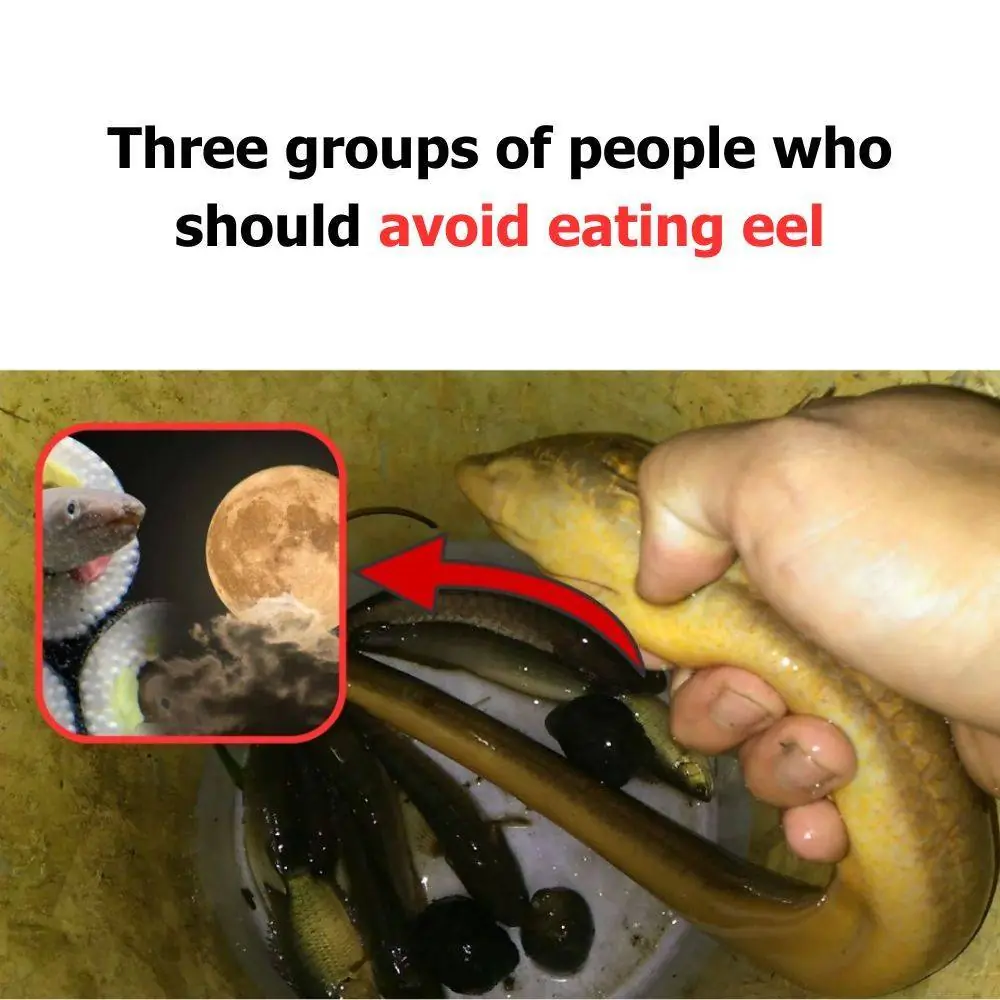
Nutritional Benefits of Eel:
Eel is rich in vitamins, minerals, and omega-3 fatty acids, offering numerous health benefits:
Boosts energy and recovery: Ideal for the elderly, children, and pregnant women due to its high nutrient content.
Enhances brain health: Rich in DHA and lecithin, it supports memory and learning.
Heart health: Contains unsaturated fats and omega-3, reducing the risk of heart disease and improving cholesterol levels.
Prevents anemia: High in iron, vitamin B12, and folate, supporting red blood cell production.
Skin and hair health: Collagen and protein in eel promote skin repair and reduce wrinkles.
Precautions:
Cook Thoroughly: Raw or undercooked eel can contain harmful parasites and toxins in its blood. Thorough cooking destroys these risks.
Avoid Dead or Spoiled Eel: Dead eel may produce harmful histamine, potentially causing allergic reactions.
Allergies: Eel can cause allergic reactions in some individuals, particularly children with a history of allergies. Who Should Avoid Eel?
People with Gout:
High protein content can exacerbate gout symptoms.
Individuals with High Cholesterol:
Should avoid fried eel dishes and opt for boiled or grilled versions instead.
Children Under 1 Year Old:
Eel should not be given to infants due to its allergenic potential.
Eating eel can be a healthy choice, but proper preparation and attention to dietary restrictions are essential to maximize benefits while avoiding risks.