
Guava Is Packed With Nutrients—But There's More You Should Know
This Tropical Fruit May Be One of Nature's Best-Kept Secrets… 🍈👇
Health 22/07/2026 11:40
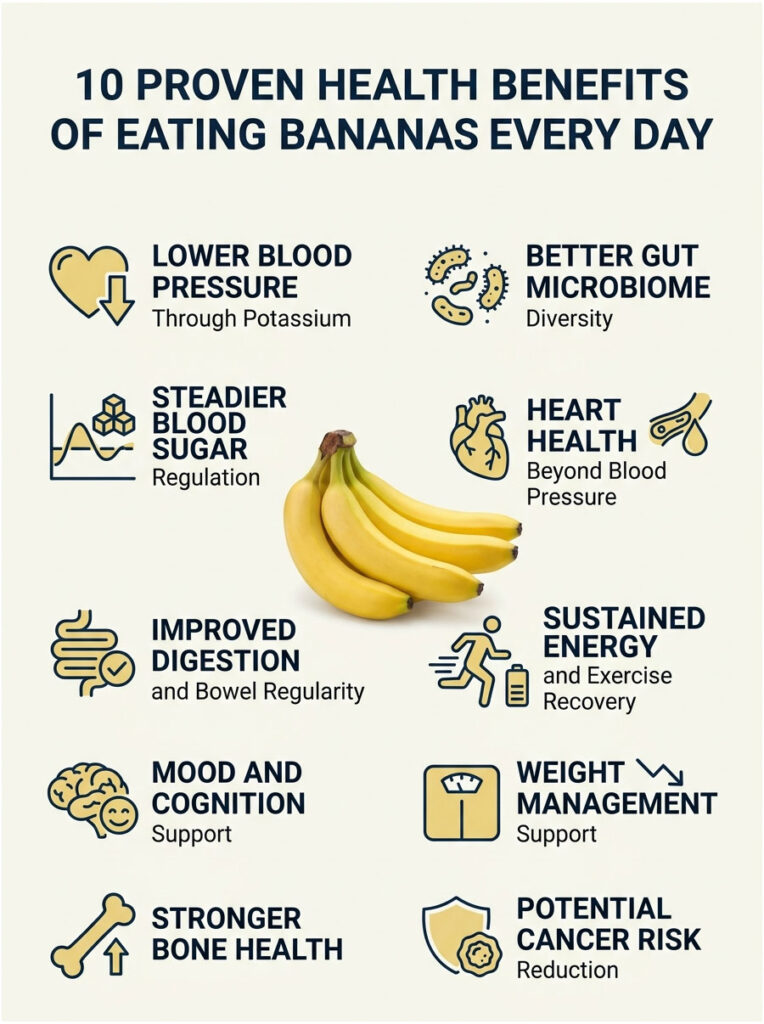
Bananas are one of the world's most popular fruits, offering fiber, potassium, vitamin B6, vitamin C, and natural carbohydrates. For most healthy people, bananas are a nutritious addition to a balanced diet. However, certain medical conditions may require limiting banana intake or eating them with caution.
Here are 10 situations where bananas may not be the best choice.
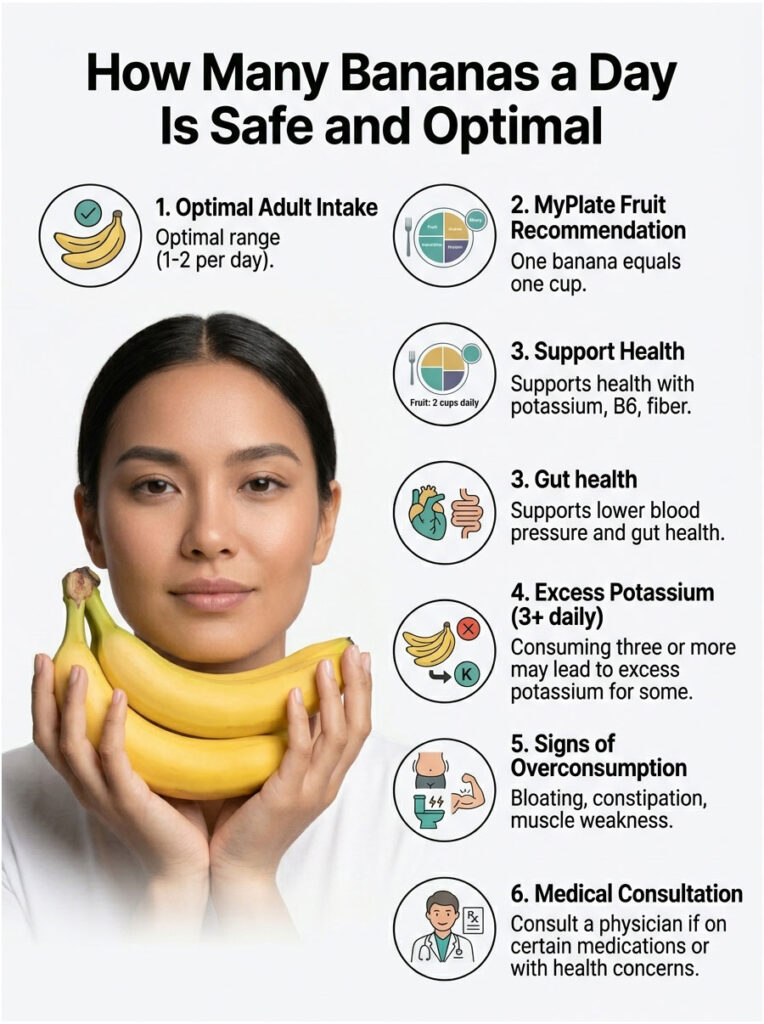
Bananas are rich in potassium.
People with advanced chronic kidney disease may have difficulty removing excess potassium from the body, increasing the risk of hyperkalemia, which can affect heart rhythm.
If you have kidney disease, follow your healthcare provider's recommendations regarding potassium-rich foods.
People who already have elevated potassium levels should avoid eating large amounts of bananas.
Symptoms of severe hyperkalemia may include:
Muscle weakness.
Numbness.
Irregular heartbeat.
Heart palpitations.
Dietary potassium intake should be discussed with a healthcare professional.
Some medications can increase potassium levels, including:
ACE inhibitors.
Angiotensin receptor blockers (ARBs).
Potassium-sparing diuretics.
If you take these medications, ask your healthcare provider whether you need to monitor your intake of potassium-rich foods such as bananas.
Some people who are allergic to natural latex may also react to bananas because of similar proteins.
Symptoms may include:
Itchy mouth.
Swollen lips.
Hives.
Difficulty breathing (rare but serious).
Anyone with a known latex allergy should be aware of this possible cross-reaction.
Although uncommon, some people are allergic to bananas.
Symptoms may include:
Skin rash.
Itching.
Swelling.
Wheezing.
Anaphylaxis in rare cases.
Anyone with a diagnosed banana allergy should avoid eating bananas.
Bananas contain natural sugars and carbohydrates.
People with diabetes do not need to avoid bananas completely, but portion size matters.
Choosing a small or medium banana and pairing it with a source of protein or healthy fat may help reduce rapid increases in blood sugar.
Some medical conditions require a physician-prescribed low-potassium diet.
In these cases, bananas may need to be limited because they are naturally high in potassium.
Always follow individualized dietary advice from your healthcare team.
Very ripe bananas contain more fermentable carbohydrates than less-ripe bananas.
Some people with irritable bowel syndrome (IBS) may notice bloating or digestive discomfort after eating large amounts of ripe bananas, although tolerance varies from person to person.
Bananas contain naturally occurring compounds such as tyramine, particularly as they become very ripe.
Some people report that overripe bananas may trigger migraine attacks, although scientific evidence is limited and triggers differ widely between individuals.
Bananas are nutritious, but eating several large bananas each day can add a significant amount of calories and carbohydrates.
For balanced nutrition, include a variety of fruits rather than relying heavily on a single type.
Yes. For the vast majority of healthy individuals, bananas are a nutritious fruit that provides:
Potassium.
Vitamin B6.
Vitamin C.
Dietary fiber.
Natural carbohydrates.
Antioxidants.
They can be enjoyed as part of a healthy, balanced diet.
Try pairing bananas with:
Greek yogurt.
Unsalted nuts.
Peanut or almond butter.
Oatmeal.
Whole-grain toast.
Smoothies with leafy greens.
These combinations provide protein or healthy fats, helping create a more balanced snack.
Bananas are safe and nutritious for most people, but certain groups—including those with advanced kidney disease, high blood potassium levels, banana allergies, latex-fruit syndrome, or those taking medications that raise potassium—may need to avoid or limit them. People with diabetes can usually enjoy bananas in moderation as part of a balanced meal plan.
If you have a medical condition that affects potassium levels or have been advised to follow a special diet, consult your healthcare provider or a registered dietitian before making significant changes to your fruit intake.
This Tropical Fruit May Be One of Nature's Best-Kept Secrets… 🍈👇

Should You Drink Carrot Juice Every Day? Here's What Experts Say

How Warm Beverages May Help Relieve Cough and Throat Discomfort

The Meaning Behind Right-Hand Rings Has Fascinated People for Centuries… 💍👇

Advanced Stomach Can.cer: 7 Symptoms That May Occur
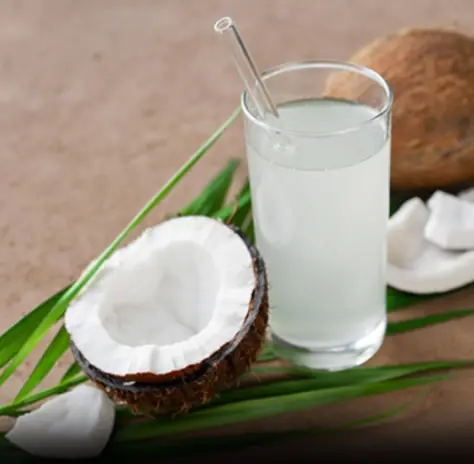
Even though it’s natural, coconut water isn’t safe for everyone.
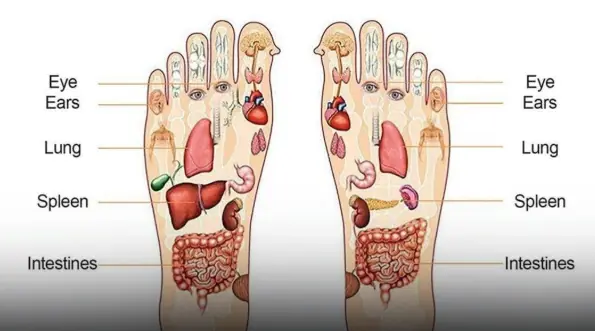

Woman Suffers Sudden Kidney Failure After Dinner: Doctor Warns, "This Vegetable Can Be Tox.ic - Stop Eating It!"
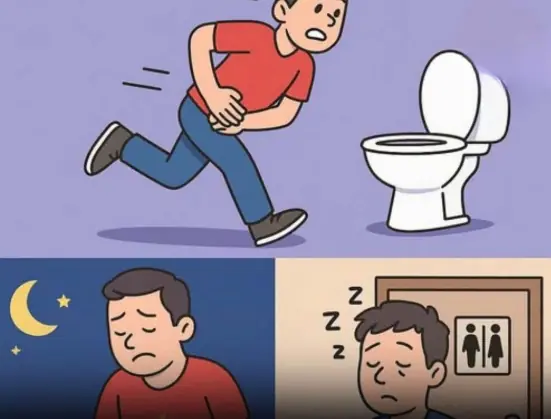
Nighttime Bathroom Trips? What Waking Up to Urinate Could Be Telling You
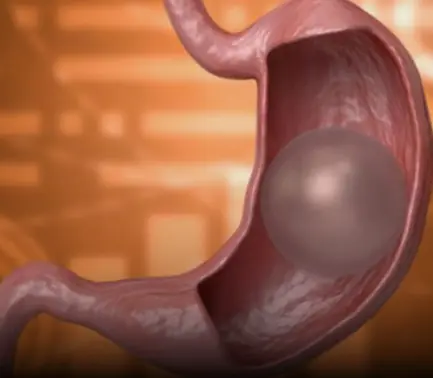
The gastric balloon is a non-surgical weight loss procedure that involves inserting a deflated balloon into the stomach through the mouth, where it is then inflated with saline solution.

These common substances may help keep snakes away if they enter your house
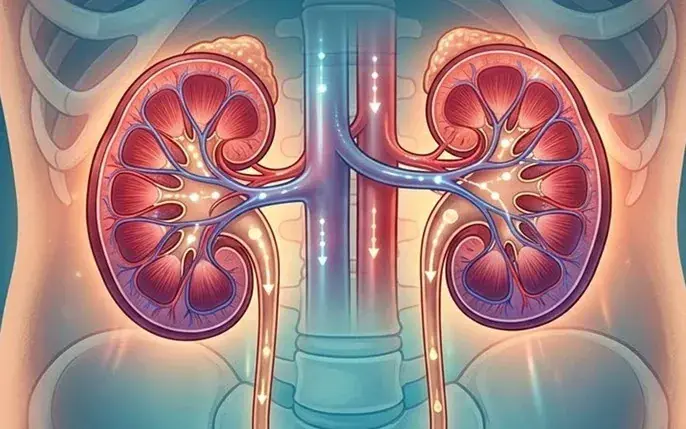
Possible Symptoms of Kidney Disease: What Experts Want You to Know

What Causes Veins to Suddenly Bulge? Most People Don't Know… 👀👇

Want to Feel Better Every Morning? Start With This Simple Habit 💧👇
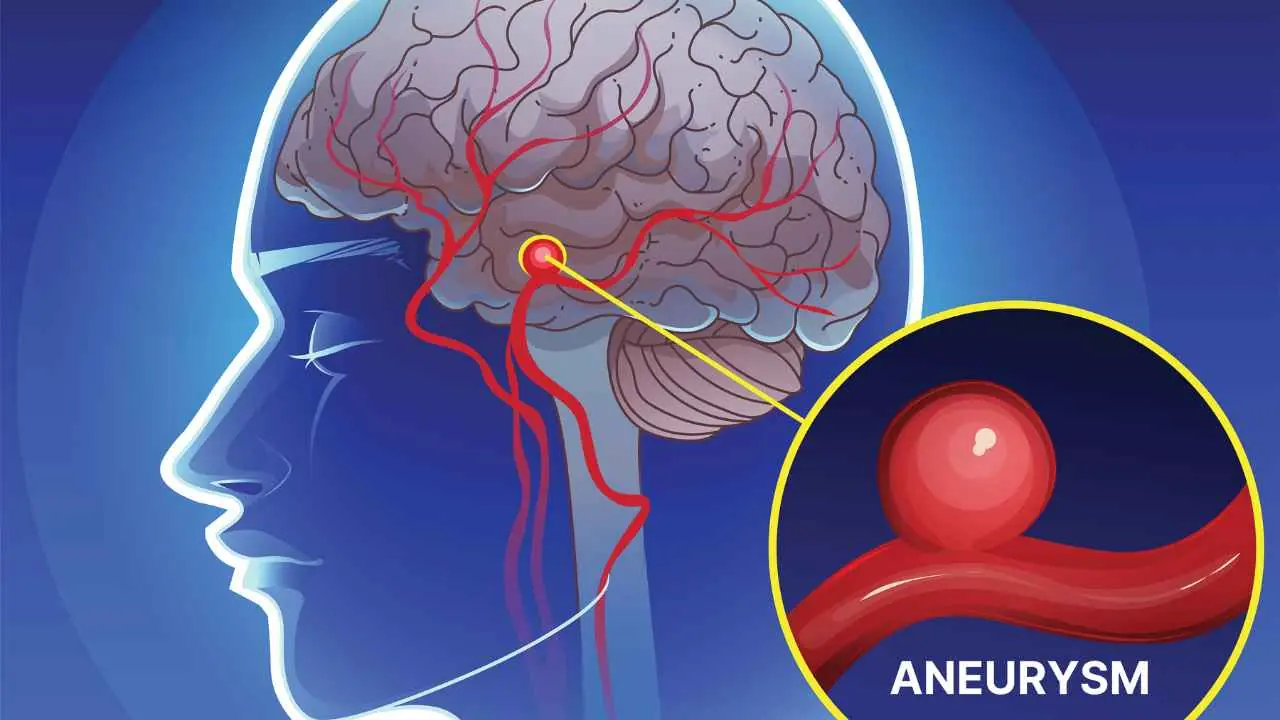
Don't Wait Until It's Serious—Learn the Warning Signs of an Aneurysm 👇

Dry Skin Care: 12 Practical Tips for Healthier-Looking Skin
This Tropical Fruit May Be One of Nature's Best-Kept Secrets… 🍈👇
Should You Drink Carrot Juice Every Day? Here's What Experts Say
How Warm Beverages May Help Relieve Cough and Throat Discomfort
The Meaning Behind Right-Hand Rings Has Fascinated People for Centuries… 💍👇
Advanced Stomach Can.cer: 7 Symptoms That May Occur
Even though it’s natural, coconut water isn’t safe for everyone.
Woman Suffers Sudden Kidney Failure After Dinner: Doctor Warns, "This Vegetable Can Be Tox.ic - Stop Eating It!"
Nighttime Bathroom Trips? What Waking Up to Urinate Could Be Telling You


Millions Have Seen This Tattoo—Few Know Its Hidden History
The gastric balloon is a non-surgical weight loss procedure that involves inserting a deflated balloon into the stomach through the mouth, where it is then inflated with saline solution.
These common substances may help keep snakes away if they enter your house
Possible Symptoms of Kidney Disease: What Experts Want You to Know
What Causes Veins to Suddenly Bulge? Most People Don't Know… 👀👇
Want to Feel Better Every Morning? Start With This Simple Habit 💧👇
Don't Wait Until It's Serious—Learn the Warning Signs of an Aneurysm 👇