Sleeping Position and Str0ke Risk: What Older Adults Should Know
Could Your Sleep Posture Affect Circulation? What Older Adults Need to Know
⏱️ 1 min read 08/08/2026 14:45
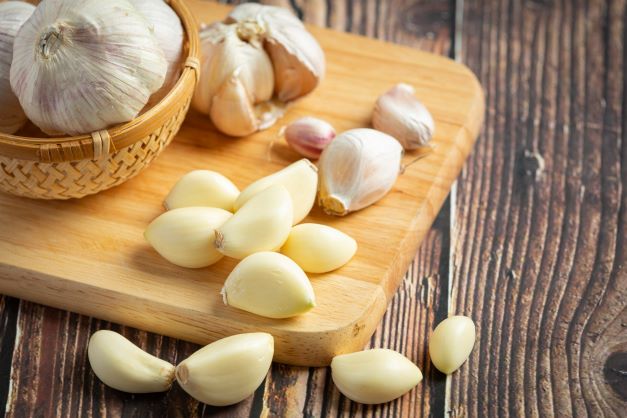
Garlic has been used for centuries as both a flavorful food and a traditional remedy. Modern research has also explored its potential effects on cardiovascular health, blood pressure, cholesterol, inflammation, and immune function.
For most healthy adults, garlic used in ordinary amounts as part of a balanced diet is generally safe. Adding a few cloves to soups, vegetables, sauces, or other meals is unlikely to cause problems.
However, garlic is not completely risk-free. It contains biologically active sulfur compounds, and concentrated garlic supplements can have stronger effects than the amounts normally consumed in food. Garlic may also interact with certain medications or worsen symptoms in people with particular medical conditions.
So rather than asking whether garlic is "good" or "bad," a better question is:
Who should be more cautious about how much garlic they consume?
Here are 7 groups that may need to pay particular attention.
One of the most important considerations involves blood clotting.
Garlic, particularly in concentrated supplement form, may have antiplatelet effects. This means it may influence the ability of platelets to stick together and participate in blood clot formation.
People taking medications such as:
Warfarin
Apixaban
Rivaroxaban
Dabigatran
Clopidogrel
Aspirin
should be cautious with high-dose garlic supplements.
This does not mean that someone taking these medications necessarily needs to eliminate garlic from their diet.
The concern is primarily with concentrated preparations or unusually large amounts.
Combining several substances that affect clotting could potentially increase bleeding risk in some people.
Signs of abnormal bleeding can include:
Unexplained bruising
Frequent nosebleeds
Bleeding gums
Blood in urine
Black or bloody stools
Prolonged bleeding from minor cuts
Anyone experiencing significant or unexplained bleeding should seek medical attention.
If you're scheduled for surgery or an invasive medical procedure, it's important to tell your healthcare team about all supplements you're taking, including garlic products.
Concentrated garlic supplements may affect platelet function and could potentially increase bleeding concerns around surgery.
Doctors may recommend stopping certain supplements before a procedure, depending on the type of surgery and the individual's medications and medical history.
Using normal culinary amounts in food is different from taking high-dose garlic extracts.
Still, if surgery is approaching, follow the specific instructions provided by your surgeon or healthcare team rather than making assumptions.
Garlic can be difficult for some digestive systems to tolerate.
Especially when eaten raw or in large amounts, garlic may cause:
Heartburn
Stomach discomfort
Bloating
Gas
Nausea
Abdominal pain
People with gastroesophageal reflux disease (GERD) may find that garlic triggers or worsens their heartburn.
This doesn't mean everyone with GERD must avoid garlic.
Individual tolerance varies significantly.
If garlic consistently causes symptoms, try:
Reducing the portion
Cooking it rather than eating it raw
Avoiding garlic late at night
Keeping a food diary to identify patterns
If persistent heartburn or abdominal pain continues, don't simply blame garlic. Other digestive conditions may need to be evaluated.
Garlic is naturally high in fructans, a type of fermentable carbohydrate that belongs to the FODMAP family.
For some people with IBS, fructans can contribute to:
Bloating
Gas
Abdominal discomfort
Diarrhea
Constipation
This is one reason garlic can be problematic for people following a medically supervised low-FODMAP diet.
Importantly, this doesn't mean garlic is unhealthy.
The issue is digestive tolerance, not that garlic is inherently harmful.
Some people with IBS can tolerate small amounts, while others are more sensitive.
A registered dietitian can help individuals following a low-FODMAP diet identify appropriate portions and alternatives.
True garlic allergy is uncommon, but it can occur.
Symptoms of an allergic reaction may include:
Hives
Itching
Skin redness
Swelling
Wheezing
Difficulty breathing
Vomiting
A severe allergic reaction can cause anaphylaxis, which is a medical emergency.
If someone develops difficulty breathing, swelling of the tongue or throat, fainting, or rapidly worsening symptoms after eating garlic, emergency medical treatment is required.
It's also important to distinguish an allergy from intolerance.
An intolerance may cause digestive symptoms without involving the immune system in the same way as an allergy.

Garlic supplements can interact with medications, which is another reason concentrated products should be used cautiously.
Potential concerns include medications that affect:
Blood clotting
Blood pressure
Blood sugar
For example, garlic supplements may have modest effects on blood pressure or blood glucose in some people. When combined with medications that already lower these levels, monitoring may be appropriate.
People taking multiple prescriptions should tell their doctor or pharmacist about any garlic supplements they plan to use.
Eating garlic as part of a normal meal is generally very different from taking capsules containing concentrated garlic extract.
The risk of clinically significant interactions is usually more relevant to supplement-level doses.
Even if you don't have a medical condition, excessive garlic consumption can cause unpleasant side effects.
Large amounts—especially raw garlic—may result in:
Heartburn
Gas
Bloating
Nausea
Abdominal pain
Strong body odor
Persistent bad breath
Garlic contains sulfur compounds that can enter the bloodstream and eventually affect breath and body odor.
There is also little reason to assume that consuming huge amounts provides proportionally greater health benefits.
A modest amount incorporated into a varied diet is usually a more sensible approach than consuming large quantities in an attempt to obtain "maximum" benefits.
This is an important distinction.
Garlic supplements can contain concentrated amounts of compounds that would be difficult to consume in the same quantity through ordinary food.
Products may include:
Garlic powder
Garlic oil
Aged garlic extract
Concentrated garlic preparations
Some of these products have been studied for cardiovascular effects, but supplements aren't appropriate for everyone.
Before taking a concentrated garlic product, consider:
What medication you take
Whether you have a bleeding disorder
Whether you have surgery coming up
Whether you have digestive problems
Whether you're pregnant or breastfeeding
Whether you have kidney or liver disease
Whether you have a history of allergies
A doctor or pharmacist can help determine whether a particular supplement is appropriate.
Cooking changes garlic's chemical composition.
When garlic is chopped or crushed, an enzyme called alliinase helps produce compounds including allicin. Heat can reduce or alter some of these compounds.
Cooked garlic is often easier on the stomach than raw garlic.
For someone who experiences heartburn or digestive discomfort after eating raw garlic, cooking it may improve tolerance.
However, cooking does not eliminate potential medication interactions associated with concentrated garlic supplements.
There is no single universal number that applies to everyone.
Tolerance varies according to:
Body size
Diet
Digestive health
Medications
Medical conditions
Individual sensitivity
For most people, using garlic as a culinary ingredient is reasonable.
The greater concern is often large quantities or concentrated supplements, rather than the few cloves normally used in cooking.
It's important not to overlook why garlic is so popular in the first place.
Garlic contains several biologically active compounds, including sulfur-containing substances.
Research has explored garlic's potential relationship with:
Some garlic preparations may modestly influence blood pressure and cholesterol levels.
Garlic contains compounds that demonstrate antioxidant activity.
Garlic has antimicrobial properties in laboratory studies, although this doesn't mean it can replace treatment for infections.
Garlic adds substantial flavor without requiring large amounts of sodium, sugar, or saturated fat.
These potential benefits are reasons garlic can be a useful part of a balanced diet—but they don't make concentrated supplements necessary for everyone.
There is no scientific requirement to eat raw garlic every morning.
For some people, doing so may actually cause heartburn or stomach irritation.
No.
Even if certain garlic preparations produce modest changes in blood pressure, they should not replace prescribed treatment.
Your liver and kidneys already perform the body's major detoxification functions.
Garlic can be part of a healthy diet, but there is no need to rely on garlic cleanses or detox drinks.
False.
Natural substances can have pharmacological effects and may interact with prescription medications.
Garlic supplements are a good example.
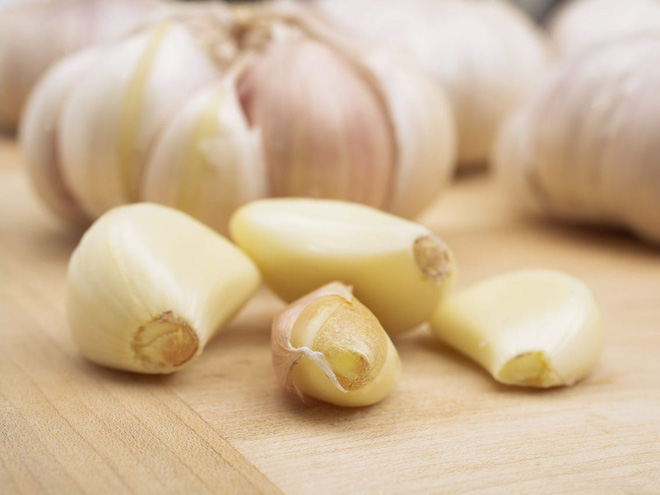
For most people, the simplest approach is to use garlic as a food rather than a concentrated supplement.
Try adding modest amounts to:
Soups
Stir-fries
Roasted vegetables
Whole grains
Fish
Chicken
Beans
Homemade sauces
If raw garlic causes discomfort, cooked garlic may be easier to tolerate.
If you take prescription medications, check with your healthcare professional before starting a concentrated garlic supplement.
Seek medical attention if you develop symptoms suggesting a serious reaction, such as:
Difficulty breathing
Swelling of the throat or tongue
Fainting
Severe dizziness
Significant unexplained bleeding
For less urgent problems, talk with a healthcare professional if garlic consistently causes:
Severe abdominal pain
Persistent vomiting
Recurrent diarrhea
Significant heartburn
Unexplained allergic-type symptoms
The goal isn't necessarily to eliminate garlic permanently. A healthcare professional can help determine whether the problem is garlic itself, the amount consumed, or another underlying condition.
Garlic is a nutritious and flavorful food that can fit into a healthy diet for most people. However, certain groups should be more cautious, particularly those taking blood-thinning medications, preparing for surgery, dealing with digestive disorders such as GERD or IBS, experiencing a garlic allergy, taking certain medications, or consuming large amounts of concentrated garlic products.
The biggest distinction to remember is between ordinary culinary garlic and high-dose garlic supplements. A few cloves used in cooking are not equivalent to a concentrated extract or capsule.
If you have a medical condition or take prescription medication, don't assume that a supplement is safe simply because its ingredients are natural. A doctor or pharmacist can help you assess potential interactions.
Garlic doesn't need to be treated as a dangerous food. For most people, it is simply a useful ingredient that adds flavor and valuable plant compounds to everyday meals.
The key is moderation and context.
If garlic agrees with your body, enjoy it as part of a varied diet. If it causes digestive symptoms, reduce the amount or try cooking it. And if you're taking medications that affect blood clotting, blood pressure, or blood sugar - or you're considering concentrated garlic supplements get professional advice first.
Ultimately, healthy eating isn't about finding one "miracle" food. It's about building a sustainable diet that provides a wide range of nutrients while taking your individual health needs into account.
Could Your Sleep Posture Affect Circulation? What Older Adults Need to Know
Your Body May Be Giving You Clues: 35 Possible Signs of Low Magnesium
This “dea.dly” food causes over 200 deaths each year - yet nearly 500 million people still eat it
A banana before bed may support sleep and overall relaxation.
Many people avoid bananas at night, but experts say ripe bananas may offer unexpected benefits when eaten in moderation.
Improper food storage may quietly increase risks to your health.
A simple bedtime habit may lower heart attack risk significantly
niors should be cautious - this sleeping position may elevate str.oke risk
A Japanese woman shares 10 reasons why women in Japan live longer and stay fit
Stool color explained: what it may indicate about your health
The science of cloves: benefits, uses, and how they work
6 reasons you may feel pain on the right side of your body
Your Stool May Reveal More About Your Health Than You Think
8 Cooking Habits to Watch Out For That May Increase the Formation of Potentially Harmful Compounds
What Looked Like an Ordinary Allergy Turned Out to Require Medical Attention

The Potential Benefits of Cloves Every Woman Should Know

Why Experts Want You to Check Your Palms and Soles Today
This nutrient-rich vegetable may support blood sugar and heart health.

Your veins are suddenly visible? The reason may surprise you.
The Benefits of Showering at Night You May Not Have Considered
The Hidden Meaning Behind the Colored Mark on Your Toothpaste Tube
“She thought she was protecting her love… until the man she loved said, ‘I can’t breathe anymore.’
The Truth That Destroyed Their Wedding
Could Your Sleep Posture Affect Circulation? What Older Adults Need to Know
Your Body May Be Giving You Clues: 35 Possible Signs of Low Magnesium
“A wallet full of diamonds disappeared and the poorest man in the room became the first suspect.”
This “dea.dly” food causes over 200 deaths each year - yet nearly 500 million people still eat it
A banana before bed may support sleep and overall relaxation.
Many people avoid bananas at night, but experts say ripe bananas may offer unexpected benefits when eaten in moderation.
The Bride Who Walked Away
The Millionaire With a Basket of Flowers
Improper food storage may quietly increase risks to your health.
Protect your garden from snakes the natural way with these 8 plants
A simple bedtime habit may lower heart attack risk significantly
niors should be cautious - this sleeping position may elevate str.oke risk
A Japanese woman shares 10 reasons why women in Japan live longer and stay fit
Stool color explained: what it may indicate about your health
The science of cloves: benefits, uses, and how they work