Finding a toad inside your home can be a surprisingly memorable experience.
You may walk into the kitchen, bathroom, garage, or hallway and suddenly notice a small, quiet creature sitting near the wall. At first, you might wonder how it got there. Then another question often follows:
Why did it come inside in the first place?
Toads generally prefer outdoor environments, but under the right conditions, they can occasionally make their way into houses, garages, sheds, basements, and other enclosed spaces.
Their appearance may seem mysterious, especially when they show up unexpectedly. In reality, there are usually practical environmental reasons behind their behavior. At the same time, toads have been associated with symbolism, folklore, and traditional beliefs for centuries, giving their unexpected appearance a second layer of meaning.
So what does it really mean when a toad appears in your home?
The answer depends on whether you're looking at the situation from a biological, environmental, or cultural perspective.
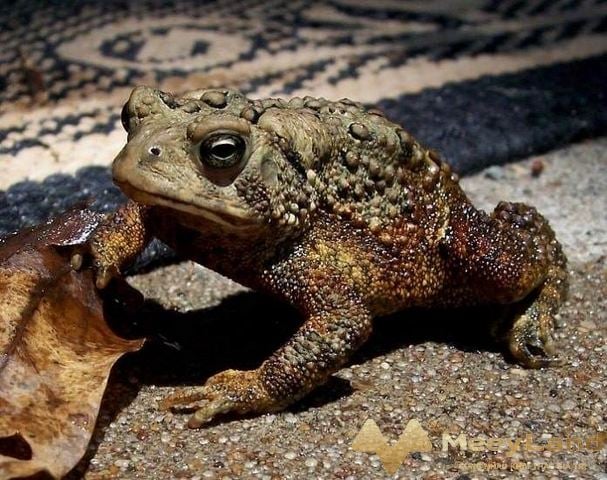
Why Would a Toad Enter a House?
The simplest explanation is that the toad is looking for something it needs.
Toads require moisture, shelter, suitable temperatures, and access to food. A house can accidentally provide some or all of these things.
During hot or dry weather, a cool, damp area around a home can become attractive.
After heavy rain, toads may become much more active and travel farther than usual.
At night, outdoor lights can attract insects, and insects can attract toads.
A small opening beneath a door or gap around a pipe may provide an easy entrance.
In other words, the toad probably isn't trying to "move into" your house.
It may simply have found an environment that temporarily looked useful.
1. Moisture Is One of the Biggest Attractions
Toads depend heavily on moisture.
Unlike many mammals, amphibians have skin that plays an important role in maintaining their water balance. They can lose moisture relatively easily, especially in hot and dry conditions.
That's why toads often seek:
-
Damp soil
-
Wet leaves
-
Shaded areas
-
Garden beds
-
Areas near water
-
Spaces beneath rocks
-
Moist spaces around buildings
If your home has a humid basement, damp garage, leaky outdoor faucet, or shaded entrance, it may accidentally create conditions that attract amphibians.
A toad isn't necessarily looking for your living room.
It may simply be following moisture.
2. Rain Can Bring Toads Out
If you've recently experienced heavy rain, don't be surprised if you notice more toads around your property.
Rain changes the environment dramatically.
The ground becomes softer.
Humidity increases.
Temporary pools may form.
Insects become more active.
And toads may emerge from hiding places to feed or move toward breeding areas.
This is why people sometimes notice several amphibians appearing around their homes after a storm.
If a door is open or there is a small gap underneath it, an adventurous toad may accidentally end up indoors.
3. Outdoor Lights Can Indirectly Attract Toads
This is one of the more interesting explanations.
Toads don't necessarily come toward a porch light because they are attracted to the light itself.
Instead, the insects attracted to the light can become the attraction.
A bright outdoor lamp can draw moths, flies, beetles, and other insects.
A toad sitting nearby may see an easy food source.
So the chain can look like this:
Outdoor light → insects → toad.
If your home has bright lights near doors, windows, patios, or gardens, you may notice more toad activity around those areas at night.
4. Your Garden Could Be Creating a Perfect Habitat
Gardens can be extremely attractive to toads.
Plants provide shade.
Mulch retains moisture.
Leaves provide hiding places.
Watering creates damp soil.
And gardens often contain plenty of insects.
From a toad's perspective, that's basically a combination of shelter and a food supply.
This isn't necessarily a bad thing.
In fact, many gardeners appreciate having toads around because they consume a variety of insects and other small invertebrates.
A toad in the garden can therefore be a useful part of the local ecosystem.
5. Small Gaps Can Become Unexpected Entrances
Toads are surprisingly capable of squeezing through small spaces.
They may enter through:
-
Gaps beneath doors
-
Open garage doors
-
Cracks around foundations
-
Basement entrances
-
Spaces around pipes
-
Drainage areas
-
Open windows or low openings
A doorway that looks completely secure to you may have enough space for a small amphibian to pass underneath.
Once inside, the toad may have difficulty finding its way back out.
That's why people sometimes discover one sitting quietly in a corner.
It isn't necessarily hiding.
It may simply be lost.
6. Toads Often Move at Night
Toads are generally more active during cooler, darker periods.
Nighttime provides lower temperatures and higher humidity, which can make traveling and hunting easier.
This also explains why people may encounter them unexpectedly in the evening.
You may not notice a toad around your property during the day.
But after sunset, it may become active and begin moving around your garden, driveway, porch, or yard.
If an entrance happens to be nearby, it can wander inside.
7. Food May Be the Real Reason
A toad entering your home can sometimes indicate that there are plenty of insects nearby.
Toads eat various small prey, including insects and other invertebrates.
If your home has an abundance of flies, moths, beetles, crickets, or similar creatures, a toad may find the surrounding environment attractive.
This doesn't mean that finding a toad automatically indicates an insect infestation.
But if you repeatedly see both toads and large numbers of insects, it may be worth examining the conditions around your property.
8. Temperature Can Also Matter
Weather plays an important role in amphibian behavior.
During periods of extreme heat, a toad may seek a cooler, shaded environment.
During unusually dry conditions, it may search for moisture.
During colder periods, it may seek shelter.
A garage, basement, covered porch, or storage area can sometimes provide more stable conditions than the outdoor environment.
So an indoor visitor may simply be responding to changing weather.
What Does a Toad Mean in Folklore?
While biology provides practical explanations, toads have also carried symbolic meanings across different cultures.
Their symbolism isn't universal.
In one tradition, a toad may represent prosperity.
In another, it may be associated with transformation.
Some traditions connect frogs and toads with rain, fertility, renewal, or good fortune.
These interpretations are part of folklore rather than established scientific facts.
Still, they can make an unexpected encounter feel more meaningful.
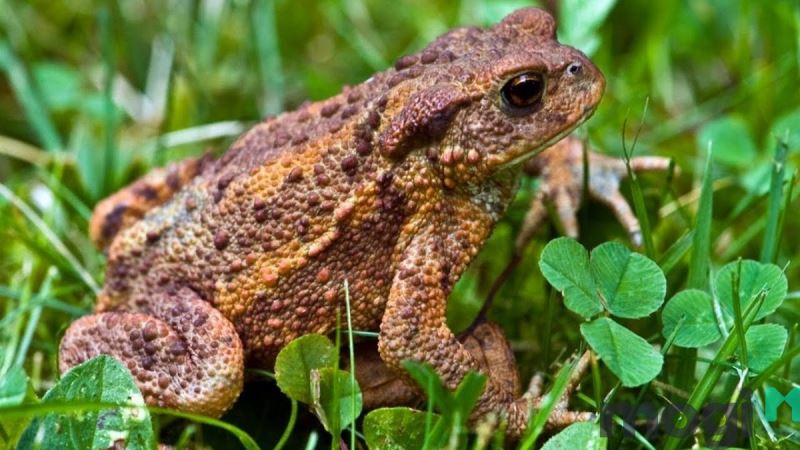
Toads and Good Fortune
One common association is luck and prosperity.
In various cultural traditions, frogs and toads have been connected with abundance, wealth, and good fortune.
This symbolism may partly come from their relationship with rain and water.
Rain supports crops.
Water supports life.
And amphibians often become more visible after rainfall.
As a result, their appearance has sometimes been interpreted as a positive environmental sign.
If you enjoy traditional symbolism, you might choose to see a toad near your home as a reminder of abundance and renewal.
Toads and Transformation
Toads are also associated with transformation.
This symbolism is easy to understand when you consider the amphibian life cycle.
Many frogs and toads begin life in water before developing into terrestrial adults.
They undergo significant physical changes along the way.
Because of this transformation, amphibians have often appeared in stories and folklore as symbols of:
-
Change
-
Growth
-
Renewal
-
Adaptation
-
New beginnings
A toad appearing unexpectedly might therefore be interpreted symbolically as a reminder that change is a natural part of life.
Again, this is a cultural interpretation—not a scientific prediction.
Toads and Rain
There is also a strong connection between amphibians and rainfall.
Many species become much more active during or after rainy periods.
They may emerge from hiding, travel toward breeding areas, or begin feeding.
Historically, people noticed this relationship long before modern ecology explained it.
That may have contributed to the belief that the appearance of frogs and toads somehow predicts or represents rain.
In reality, amphibians are responding to environmental changes.
Their behavior can sometimes make them excellent indicators of changes in moisture and weather conditions.
Could a Toad in Your Home Be a Sign of Something Unusual?
Usually, no.
A single toad indoors doesn't necessarily mean anything is wrong.
It may simply have wandered inside.
However, repeated appearances can tell you something about your home's environment.
If you keep finding toads indoors, consider checking:
-
Door gaps
-
Garage entrances
-
Basement windows
-
Drainage areas
-
Outdoor lighting
-
Garden moisture
-
Standing water
-
Nearby vegetation
You may discover that your property provides an unusually attractive habitat.
What Should You Do If You Find a Toad Inside?
The best approach is usually simple:
Stay calm and give it a safe way out.
Don't chase it aggressively.
Don't grab it unnecessarily.
Instead, if possible, open an exterior door and create a clear path toward the outdoors.
If the toad is in a difficult location, you can gently guide it toward the exit using a piece of cardboard or another suitable object.
If you need to handle it, avoid squeezing or injuring it.
Amphibians have delicate skin, and unnecessary handling can stress them.
Don't Use Chemicals to Get Rid of Toads
It's generally better to avoid pesticides, chemicals, salt, or other substances directly on amphibians.
Toads have highly permeable skin and can be particularly vulnerable to environmental contaminants.
If you want fewer toads around your home, it's better to modify the environment instead of trying to harm the animals.
For example:
-
Reduce unnecessary outdoor lighting
-
Remove standing water
-
Seal gaps under doors
-
Keep outdoor areas tidy
-
Fix leaks
-
Reduce excessive moisture near entrances
These steps can make the area less attractive without harming wildlife.
Should You Be Worried About Touching a Toad?
Toads have skin secretions that can irritate the eyes or mouth.
Some species also produce defensive substances that can be harmful if ingested by pets or humans.
That doesn't mean ordinary contact with a toad is automatically dangerous.
But it's sensible to avoid touching your face after handling one and to wash your hands afterward.
Children should also be taught not to kiss or put amphibians in their mouths.
Pets require additional caution because dogs and cats may try to bite or lick toads.
Why Dogs and Cats Can Be at Risk
Some toad species produce defensive toxins that can cause serious reactions in pets.
If a dog or cat bites or mouths a toad, signs can include:
-
Excessive drooling
-
Pawing at the mouth
-
Vomiting
-
Weakness
-
Abnormal behavior
-
Difficulty breathing
-
Seizures in severe cases
The severity depends on the species and amount of exposure.
If a pet has clearly mouthed a toad and develops concerning symptoms, contact a veterinarian or emergency veterinary service promptly.
Is a Toad in the House a Bad Sign?
From a scientific perspective, no.
There is no evidence that a toad entering your home predicts death, illness, financial problems, or other supernatural events.
Those interpretations belong to folklore and personal belief.
From an ecological perspective, a toad may simply be responding to:
moisture + shelter + food + favorable temperature.
That's usually the more useful explanation.
But There Can Be a Positive Environmental Meaning
Although a toad isn't a supernatural omen, its presence can still tell you something interesting.
Toads are part of healthy ecosystems.
Their presence may indicate that your yard provides suitable habitat for amphibians.
They also participate in food webs by eating insects and serving as prey for other animals.
A garden that supports frogs and toads can therefore be biologically diverse.
Instead of immediately trying to eliminate them, some homeowners choose to make outdoor spaces more wildlife-friendly.
How to Make Your Yard Less Attractive to Toads
If you don't want amphibians entering your house, focus on prevention.
Seal entry points
Check the bottom of exterior doors and garage doors.
Door sweeps can help close gaps.
Manage outdoor lighting
Use motion-activated lights where practical.
This can reduce the number of insects gathering near entrances.
Remove standing water
Buckets, containers, clogged gutters, and other areas that collect water can attract amphibians and insects.
Keep vegetation controlled
Dense vegetation close to doors can create sheltered pathways.
Repair leaks
Leaking faucets and pipes can create consistently damp areas.
Keep garage doors closed
An open garage is an easy entrance for wildlife.
Should You Kill a Toad That Enters Your Home?
Usually, there's no reason to.
A toad isn't typically interested in attacking humans.
It isn't trying to damage your furniture.
It isn't deliberately invading your home.
In most cases, it simply wants food, shelter, or moisture.
The most humane approach is to guide it outside and then prevent future entry.
What If You Keep Finding Toads?
If this happens repeatedly, don't focus only on removing individual animals.
Look for the underlying reason.
Ask:
Where are they coming from?
What attracts them to this particular area?
Is there standing water?
Are there many insects?
Is the soil unusually damp?
Is there a gap under the door?
Are outdoor lights attracting insects at night?
Once you identify the attraction, prevention becomes much easier.
A Toad May Actually Be Helping Your Garden
Before deciding that every toad is a nuisance, remember that these animals can be useful predators.
They consume various insects and other small invertebrates.
A healthy population of amphibians can therefore contribute to natural pest control.
Of course, toads aren't a substitute for professional pest management when a serious infestation exists.
But their presence is generally part of a functioning ecosystem.
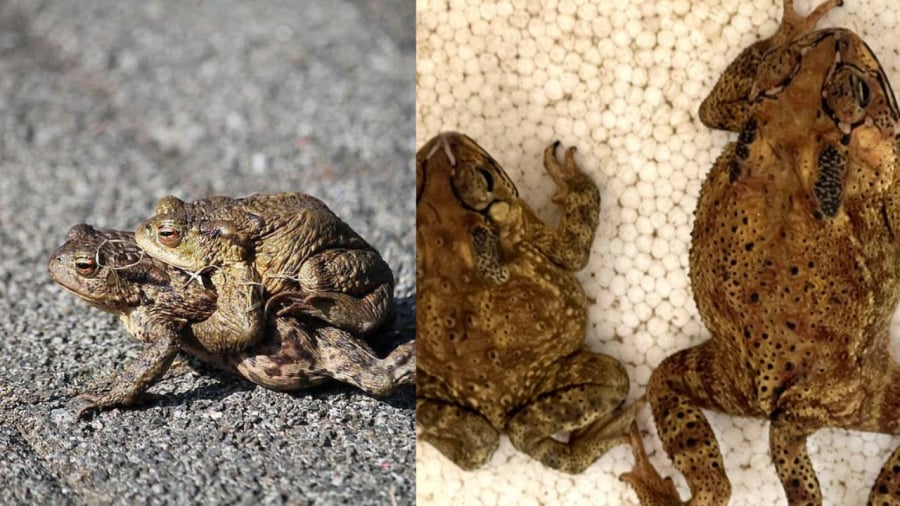
What If You See a Toad After a Storm?
This is completely normal.
After rain, toads may become significantly more active.
You may see them:
-
Crossing sidewalks
-
Sitting near drains
-
Appearing in gardens
-
Gathering around outdoor lights
-
Moving across driveways
-
Searching for food
If one ends up inside afterward, there's a good chance it simply followed a favorable route through the damp environment.
The Symbolic Interpretation Is Up to You
If you enjoy folklore, you may choose to give the encounter a personal meaning.
A toad could symbolize:
Change.
Adaptation.
Renewal.
Abundance.
Patience.
A connection with nature.
There is nothing wrong with appreciating those symbolic ideas as long as they aren't confused with scientific facts.
Sometimes an ordinary event can become personally meaningful without needing a supernatural explanation.
What Your Home Might Be Telling You
Perhaps the most interesting interpretation is not about the toad at all.
Its presence might be telling you something about your environment.
Maybe your yard retains a lot of moisture.
Maybe insects are abundant.
Maybe your garden provides excellent shelter.
Maybe your home has a small opening you haven't noticed.
In that sense, the toad can act as a little environmental clue.
Instead of asking only:
"Why is there a toad in my house?"
you might also ask:
"What conditions around my house made this place attractive to it?"
That question can lead to a much more useful answer.
Final Thoughts
Finding a toad inside your home can be surprising, especially when it seems to have appeared out of nowhere.
But in most cases, there is a perfectly natural explanation.
The animal may have been searching for moisture, food, shelter, or a comfortable temperature. Rain, garden vegetation, outdoor lights, insects, and small gaps around doors can all make a property more attractive to amphibians.
From a cultural perspective, toads have also been associated with good fortune, transformation, renewal, rain, and abundance in different traditions.
Whether you see the encounter as a simple wildlife visit or an interesting symbol is ultimately a personal choice.
What matters most is remembering that a toad is a living animal, not a bad omen.
If one finds its way inside, the kindest solution is usually to calmly guide it back outdoors and then check your home for the conditions that allowed it to enter.
So the next time you discover a little toad sitting quietly near your door, don't panic. It probably isn't bringing bad luck. It may simply be looking for a cool, damp place, a meal, or a way back to the garden.
And perhaps, in its own small way, it is also reminding you that even in the most ordinary backyard, nature is often much closer than we realize.