Dill is probably best known as a fragrant herb used to season soups, pickles, sauces, fish, and vegetables. But the plant produces another part that deserves attention: dill seeds.
Small, brown, and aromatic, dill seeds have been used in traditional food and herbal practices for generations. They contain aromatic compounds and small amounts of several nutrients, and researchers have become interested in their potential biological effects.
From supporting comfortable digestion to being explored for antioxidant and metabolic effects, dill seeds have a surprisingly interesting nutritional profile.
But there is an important distinction to keep in mind: traditional use and promising laboratory research are not the same thing as proven medical treatment. Dill seeds should be viewed as a food or culinary ingredient with potential health benefits - not as a cure for insomnia, digestive disease, osteoporosis, or other medical conditions.
So what makes these tiny seeds interesting?
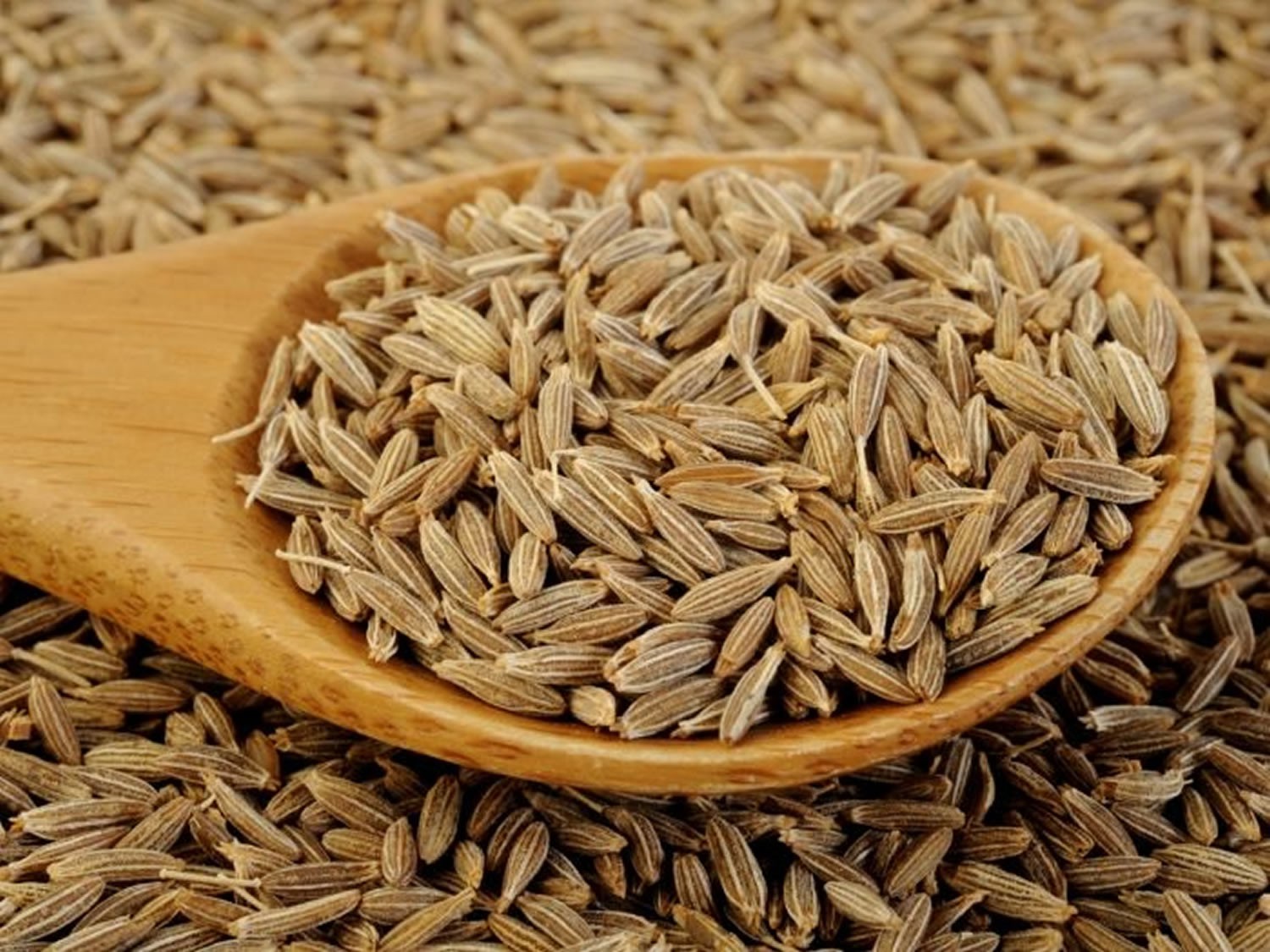
What Are Dill Seeds?
Dill seeds come from the Anethum graveolens plant, the same plant that produces the familiar dill herb.
Although they are commonly called seeds, the dried fruits of dill are botanically classified as fruits. In everyday cooking, however, “dill seeds” is the standard name.
They have a distinctive warm, slightly bitter, earthy flavor with a pleasant aroma. Their flavor is stronger and somewhat different from fresh dill leaves.
Dill seeds are commonly used in:
-
Pickling
-
Bread and crackers
-
Soups and stews
-
Vegetable dishes
-
Spice blends
-
Herbal infusions
-
Meat and fish recipes
They contain aromatic compounds, including carvone and limonene, which contribute to their characteristic fragrance.
These naturally occurring compounds are also among the reasons dill has attracted scientific interest.
1. Dill Seeds May Support Comfortable Digestion
One of the most traditional uses of dill seeds involves the digestive system.
In various traditional practices, dill has been used after meals or as an herbal infusion for complaints such as occasional bloating, gas, and digestive discomfort.
Why might it help?
The aromatic compounds found in dill may have effects on gastrointestinal activity, although the evidence in humans is still limited.
Some preliminary research suggests that dill and its compounds may influence smooth-muscle activity and digestive processes. Traditionally, this has led to the use of dill preparations as a carminative, meaning something traditionally used to help reduce gas and abdominal discomfort.
That doesn't mean dill seeds can treat chronic digestive disorders.
If someone has persistent abdominal pain, severe bloating, ongoing diarrhea, unexplained weight loss, blood in the stool, or prolonged constipation, relying on herbs alone could delay appropriate medical evaluation.
For occasional digestive discomfort, however, using dill as a culinary spice can be a simple way to add flavor while potentially providing some additional plant compounds.
2. Their Aromatic Compounds Have Antioxidant Potential
Another reason dill seeds are interesting is their collection of naturally occurring plant compounds.
Plants produce numerous phytochemicals that help protect them from environmental stress. Some of these compounds also demonstrate antioxidant activity in laboratory studies.
Dill contains compounds such as:
-
Carvone
-
Limonene
-
Flavonoids
-
Phenolic compounds
-
Other volatile oils
Antioxidants help neutralize certain reactive molecules in the body.
However, it's important not to turn this into a “detox” claim.
Your body already has sophisticated antioxidant systems, including enzymes and molecules that continuously manage oxidative stress.
Eating dill seeds does not “flush toxins” from the body.
Instead, they can be considered one small source of plant compounds within an overall varied diet rich in fruits, vegetables, legumes, whole grains, nuts, and seeds.
3. Could Dill Seeds Help With Sleep?
This is one of the claims that often attracts attention.
Traditional herbal practices have sometimes associated dill with relaxation and nighttime use. Because of its aromatic compounds and historical use in herbal preparations, dill seeds are occasionally promoted as a natural sleep aid.
But the scientific evidence is much less convincing than some online headlines suggest.
There is not enough high-quality human evidence to conclude that eating dill seeds will reliably treat insomnia or significantly improve sleep quality.
That doesn't mean the plant is completely irrelevant.
A warm, caffeine-free herbal drink can become part of a relaxing bedtime routine. The ritual itself may encourage people to slow down and prepare for sleep.
But if you regularly struggle to fall asleep, wake repeatedly during the night, snore heavily, experience pauses in breathing, or remain exhausted during the day, it's better to investigate the underlying cause.
Persistent insomnia can be related to stress, medications, sleep apnea, mood disorders, pain, hormonal changes, or other medical conditions.
Dill tea should not replace proper evaluation or evidence-based treatment.
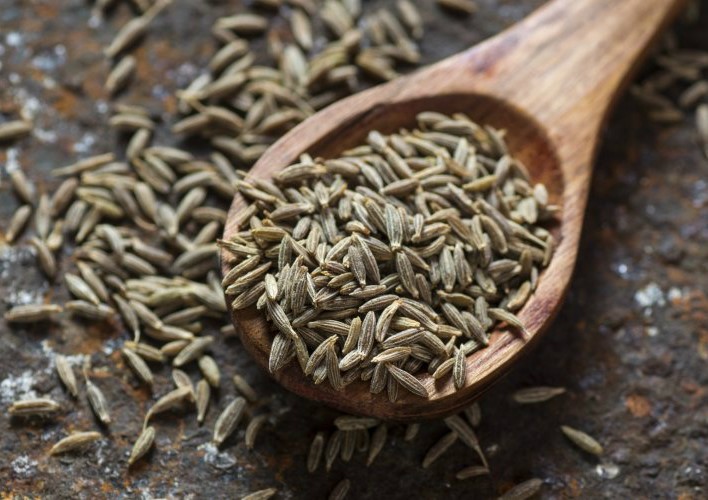
4. Dill Seeds May Contribute to Bone Health
The phrase “stronger bones” can sound dramatic, but the reality is more nuanced.
Dill seeds contain small amounts of minerals and other nutrients that contribute to normal nutrition. Some of these nutrients are involved in physiological processes related to bone maintenance.
However, dill seeds are typically consumed in relatively small quantities, so they should not be considered a major source of bone-building nutrients.
Healthy bones depend on a much broader combination of factors, including:
-
Adequate calcium
-
Vitamin D
-
Protein
-
Vitamin K
-
Magnesium
-
Regular weight-bearing activity
-
Muscle strength
-
Hormonal health
-
Avoiding smoking
-
Limiting excessive alcohol
For someone concerned about osteoporosis, adding a little dill seed to food is not a substitute for an adequate diet, exercise, or medical care.
The better approach is to think of dill as one small component of an overall bone-supportive lifestyle.
5. Dill May Have Interesting Effects on Blood Sugar and Metabolism
Another area of research involves glucose and lipid metabolism.
Laboratory and animal studies have investigated dill extracts and compounds for potential effects on blood glucose and cholesterol-related pathways.
Some findings are interesting, but they should be interpreted carefully.
A result observed in an animal study using a concentrated extract does not automatically mean that eating a teaspoon of dill seeds will produce the same effect in humans.
Human clinical evidence remains limited.
Therefore, people with diabetes should not replace prescribed medication with dill seeds or assume that adding them to meals will control blood sugar.
That said, using herbs and spices to make nutritious meals more flavorful can indirectly support a healthier dietary pattern by making vegetables, legumes, fish, and whole grains more appealing.
6. They Can Add Flavor Without Much Salt
This may be one of the most practical benefits of dill seeds.
Strong herbs and spices can help make food flavorful without relying heavily on salt.
For people trying to reduce sodium intake, using aromatic ingredients such as dill, garlic, ginger, pepper, lemon, or other herbs can make meals more satisfying.
Dill seeds work particularly well with:
-
Potatoes
-
Cabbage
-
Carrots
-
Beans
-
Lentils
-
Pickled vegetables
-
Fish
-
Yogurt-based sauces
-
Whole-grain breads
Rather than thinking of dill seeds as a medicinal product, incorporating them into nutritious meals may be the most sensible way to enjoy them.
7. Dill Seeds May Have Antimicrobial Properties in the Laboratory
Essential oils and extracts from dill have demonstrated antimicrobial activity against certain microorganisms in laboratory settings.
This has contributed to interest in dill as a potential source of natural compounds with antimicrobial properties.
However, laboratory activity is not equivalent to proving that eating dill seeds can prevent or treat an infection.
There is a major difference between exposing bacteria to a concentrated plant extract in a laboratory and consuming a small amount of the whole spice.
For that reason, dill should not be used as a substitute for antibiotics or other appropriate treatment when an infection has been diagnosed.
How Can You Add Dill Seeds to Your Diet?
You don't need complicated recipes to use dill seeds.
One of the easiest approaches is simply to use them as a spice.
Try adding a small amount to:
Roasted Vegetables
Dill seeds pair particularly well with potatoes, carrots, cabbage, and root vegetables.
Soups and Stews
Their earthy flavor can add depth to vegetable, bean, and lentil soups.
Fish
A modest amount can complement fish dishes, particularly when combined with lemon and other herbs.
Homemade Pickles
Dill seeds are a classic ingredient in many pickling recipes.
Bread
They can be incorporated into savory breads, crackers, and other baked foods.
Herbal Infusions
Some people steep dill seeds in hot water to make a caffeine-free infusion.
If you use them this way, keep the preparation relatively simple and remember that an herbal infusion is not equivalent to a concentrated medicinal extract.
What About Drinking Dill Seed Water Every Day?
You may have seen recipes recommending that people soak or boil dill seeds and drink the resulting water every morning.
This practice is often promoted for digestion, weight loss, “detoxification,” or other purposes.
There is currently not strong evidence that dill seed water has special detoxifying or fat-burning properties.
If you enjoy it as a mild herbal beverage and it agrees with you, there may be nothing inherently remarkable about the ritual for most healthy adults. But there is no good reason to believe that it cleanses the body of toxins or dramatically accelerates weight loss.
For weight management, the fundamentals remain much more important: overall calorie balance, nutritious food, physical activity, sleep, and sustainable habits.
Are Dill Seeds Safe for Everyone?
For most people, dill used as a normal culinary spice is generally considered safe.
But “natural” does not automatically mean risk-free.
People who are pregnant, breastfeeding, taking multiple medications, or considering concentrated herbal extracts should discuss regular medicinal use with a healthcare professional.
People with known allergies to dill or related plants should obviously avoid it.
And if you're taking medication for blood sugar, blood pressure, blood clotting, or another chronic condition, be particularly cautious about concentrated herbal preparations rather than ordinary culinary amounts.
The safety profile of a spice used in food can also be very different from that of a concentrated supplement or essential oil.
Don't Confuse Dill Seeds With Dill Essential Oil
This distinction is important.
Dill seeds are a food ingredient.
Dill essential oil is a highly concentrated preparation containing volatile compounds in much greater concentrations.
Essential oils should not be casually swallowed.
They can cause irritation, toxicity, or interactions depending on the substance and dose.
If you encounter health advice recommending internal use of concentrated dill essential oil, don't assume that because dill is safe in food, the essential oil is automatically safe to consume.
Those are very different forms of the plant.
The Bigger Picture: No Single Seed Can Transform Your Health
It's tempting to look for a single food that can solve several health problems at once.
But human health doesn't work that way.
Dill seeds may contain interesting plant compounds and can be part of a nutritious diet. They may support comfortable digestion for some people, add useful phytochemicals to meals, and contribute small amounts of nutrients.
But they shouldn't be presented as a cure for digestive disease, insomnia, osteoporosis, diabetes, or other medical conditions.
The strongest health benefits usually come from patterns, not individual ingredients.
A diet built around vegetables, fruits, legumes, whole grains, nuts, seeds, adequate protein, and minimally processed foods will generally matter far more than whether you consume a particular seed every morning.
A Simple Way to Think About Dill Seeds
Instead of asking, “Can dill seeds cure this problem?”, a more useful question is:
“How can I use dill seeds as part of an already healthy lifestyle?”
That approach keeps expectations realistic.
Use them to add flavor to nutritious meals. Experiment with them in soups, vegetables, fish, and homemade pickles. If you enjoy a mild dill infusion, it can be part of a relaxing routine.
And if you have persistent digestive symptoms, sleep problems, bone concerns, or abnormal blood sugar, address those issues directly with appropriate medical care.
Final Thoughts
Dill seeds may be tiny, but they contain a fascinating collection of aromatic compounds and phytochemicals that have attracted both traditional and scientific interest.
Their potential connection to digestion, antioxidant activity, metabolic health, and overall nutrition makes them an interesting addition to the kitchen.
Claims about sleep and stronger bones, however, need more careful interpretation. There is not enough human evidence to treat dill seeds as a proven remedy for insomnia or bone disease.
The most sensible approach is simple: enjoy dill seeds as a flavorful food, appreciate their potential benefits, and don't expect them to replace medical treatment or a balanced diet.
Sometimes the value of a traditional ingredient isn't that it performs a miracle.
It's that a small, flavorful addition can become one more part of a healthier way of eating.