Many animals consider eye contact a. But for people, eye contact can carry For example, we might establish eye contact during a conversation to let the other person know we’re listening. Since humans domesticated dogs, our pups have learned to incorporate some of these human communication methods, including eye contact, into their vocabulary.
What’s more, some evidence also indicates that certain dogs may be more likely to engage in eye contact than others. In fact, research shows dog breeds with shorter snouts, like were more likely to establish eye contact with humans
Since dogs can’t tell us what they’re feeling, they can use tools like eye contact to cross the language barrier. But what are they trying to say?
1. They want something
Does your dog stare you down when they want another treat? Many dogs already know that bringing out their and leads to getting what they want. Of course, it’s usually best to resist that aww-inducing stare if you want to
2. They’re curious
Nilson says sometimes your dog may stare at you when they want to know what’s going on. For instance, they might perk up and meet your eyes when you walk by the door to see if you’re grabbing their leash for a walk.
3. They’re greeting someone new
Most dogs will when meeting each other for the first time. Older or more confident dogs may give a direct stare, while younger or more submissive pups might avert their gaze. When dogs follow this pattern during a greeting, it can lead to a fun play session!
Some dogs may do the same thing when meeting new people. In fact, playful and social dogs were more likely to establish eye contact with human strangers.
4. They’re possessive
Have you ever noticed how heavyweight champs stare each other down before a match? Some dogs may do the same thing if they’re feeling intimidated or threatened.
Nilson explains that dogs may give you a hard stare if they’re they don’t want to share, such as food, a favorite toy, or their bed. In these instances, some dogs may take prolonged eye contact from others as a challenge, leading to growling or teeth baring.
5. They’re happy
Of course, sometimes your dog might initiate a loving stare to Nilson says a gentle gaze often signifies that a dog is content and
Do Dogs Enjoy Eye Contact?
“Soft and direct eye contact, paired with a relaxed body posture, typically indicates that a dog is calm and feeling friendly,” Nilson says.
What’s more, establishing eye contact with your dog can even trigger the release of oxytocin, the love hormone, in people and dogs. Research shows pet parents found that direct eye contact
How You Can Use Eye Contact to Connect
If you want to to lie on the floor and gaze into each other’s eyes. “This mutual gaze can strengthen the bond between dogs and their owners and make them feel good all around,” Nilson explains.
What’s more, dogs tend to follow pointing more effectively if you establish eye contact before giving them the cue. In situations like these, Nilson says that your dog may keep their eyes on you to stay engaged, participate, and anticipate what’s coming next, especially during
When to Avoid Eye Contact With Your Dog
Of course, not all pups enjoy staring contests. “Prolonged eye contact can make some dogs uncomfortable,” Nilson explains. She adds that dogs with fearful dispositions or a history of abuse may purposefully avoid eye contact.
So, how can you tell if your dog’s stare is friendly or not? Nilson stresses the importance of reading your dog’s body language and responding appropriately. She suggests looking for common, such as:
- Turning away
- Rigid, stiff posture
- Raised hackles
If your dog shows any of these signs during eye contact, Nilson says to drop your gaze and give your dog some space. If your dog has issues with resource guarding, a trainer or behaviorist could help you
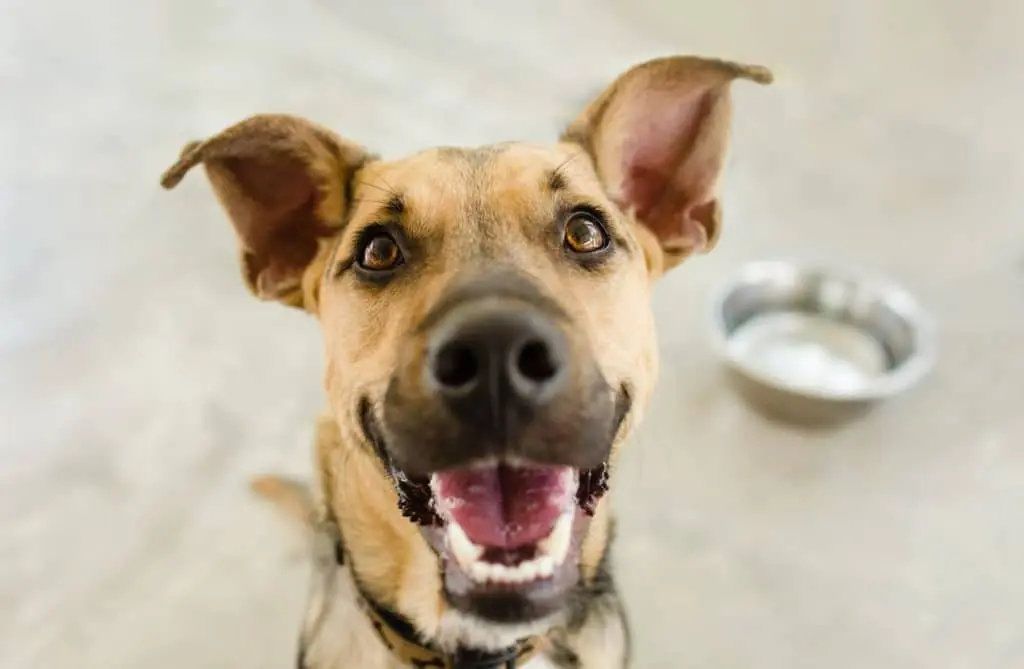
iStock/David Baileys
Takeaway
Your dog may initiate eye contact when they want something, or want to share the love. Just remember to pay attention to their body language for context clues, so you can respond to their gazes the way they want you to – either by giving them some distance or by returning their puppy dog eyes with a loving stare of your own.