Abdominal pain is one of the most common reasons people seek medical advice. Nearly everyone experiences stomach or belly pain at some point in life, and in many cases, the cause is temporary and not serious. A large meal, indigestion, gas, or a mild stomach virus can all lead to discomfort that improves on its own.
However, abdominal pain can sometimes signal a more significant health problem. The location, intensity, duration, and accompanying symptoms often provide important clues about what may be causing the pain. While these clues can help narrow down the possibilities, abdominal pain alone cannot diagnose a specific condition. Proper medical evaluation is sometimes necessary, especially if symptoms are severe or persistent.
Understanding the possible causes of abdominal pain can help you know when simple home care may be appropriate—and when it's time to seek medical attention.

What Is Abdominal Pain?
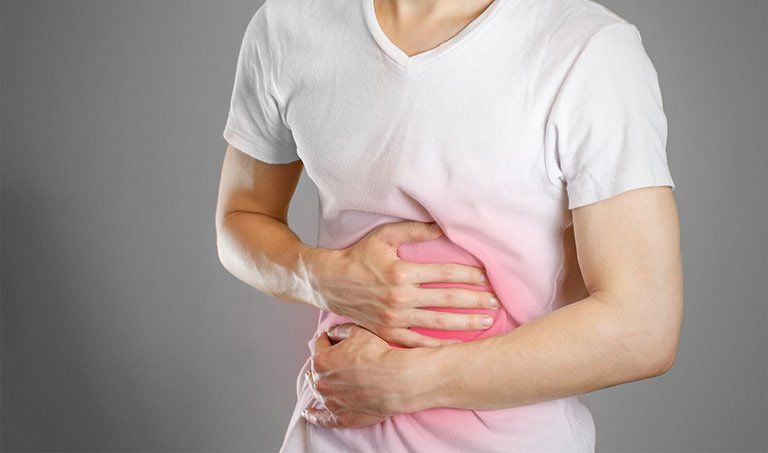
Abdominal pain refers to discomfort felt anywhere between the chest and the pelvis.
People describe it in many different ways, including:
-
Sharp pain
-
Dull aching
-
Burning
-
Cramping
-
Stabbing
-
Pressure
-
Bloating
-
Gnawing discomfort
The pain may come and go, remain constant, or gradually worsen over time.
Why the Location of Pain Matters
Doctors often begin by asking where the pain is located because different organs occupy different areas of the abdomen.
Although the location does not provide a definitive diagnosis, it can offer useful clues.
Upper Right Abdomen
Pain in the upper right portion of the abdomen may involve:
-
Gallbladder
-
Liver
-
Bile ducts
-
Part of the small intestine
Possible causes include:
-
Gallstones
-
Gallbladder inflammation (cholecystitis)
-
Liver inflammation (hepatitis)
-
Muscle strain
Gallbladder-related pain often develops after eating a fatty meal and may spread toward the right shoulder.
Upper Middle Abdomen
Pain in the center upper abdomen may originate from:
-
Stomach
-
Pancreas
-
Duodenum
Common causes include:
-
Acid reflux
-
Gastritis
-
Peptic ulcers
-
Indigestion
-
Pancreatitis
Burning pain after meals may suggest acid-related conditions, while severe pain radiating to the back may require urgent evaluation.
Upper Left Abdomen
Possible sources include:
-
Stomach
-
Spleen
-
Pancreas
-
Colon
Potential causes include:
-
Gastritis
-
Stomach ulcers
-
Enlarged spleen
-
Pancreatic disorders
-
Gas trapped in the colon
Lower Right Abdomen
Pain in the lower right abdomen often raises concern for:
-
Appendix
-
Small intestine
-
Right ovary or fallopian tube (in women)
Possible causes include:
-
Appendicitis
-
Ovarian cysts
-
Ovulation pain
-
Kidney stones
-
Intestinal infections
Appendicitis typically begins near the belly button before moving to the lower right side.
Lower Left Abdomen
Possible causes include:
-
Constipation
-
Diverticulitis
-
Irritable bowel syndrome (IBS)
-
Kidney stones
-
Ovarian conditions
In older adults, diverticulitis becomes a more common cause of lower left abdominal pain.
Pain Around the Belly Button
Pain near the navel may be related to:
-
Early appendicitis
-
Viral gastroenteritis
-
Small bowel disorders
-
Hernias
As the condition progresses, the location of pain may change.
Common Causes of Abdominal Pain
Indigestion
One of the most frequent causes of temporary stomach discomfort.
Symptoms may include:
-
Fullness after eating
-
Burning sensation
-
Belching
-
Mild nausea
It often improves with dietary changes and time.
Gas and Bloating
Excess gas can stretch the intestines, leading to:
-
Cramping
-
Pressure
-
Bloating
-
Temporary sharp pains
Although uncomfortable, gas-related pain is usually harmless.
Constipation
When stool moves slowly through the intestines, it may cause:
-
Lower abdominal discomfort
-
Bloating
-
Difficulty passing stool
-
A feeling of incomplete emptying
Increasing fiber, fluids, and physical activity often helps.
Viral Gastroenteritis ("Stomach Flu")
Viruses can inflame the digestive tract.
Symptoms commonly include:
-
Abdominal cramps
-
Diarrhea
-
Nausea
-
Vomiting
-
Fever
Most cases improve within several days with rest and hydration.
Food Intolerance
Some people have difficulty digesting certain foods.
Common examples include:
-
Lactose intolerance
-
Fructose intolerance
-
Sensitivity to certain carbohydrates (FODMAPs)
Symptoms often occur shortly after eating trigger foods.
Irritable Bowel Syndrome (IBS)
IBS is a common functional digestive disorder.
Typical symptoms include:
-
Recurrent abdominal pain
-
Bloating
-
Constipation
-
Diarrhea
-
Alternating bowel habits
Although IBS can significantly affect quality of life, it does not damage the intestines.
Gallstones
Gallstones may block bile flow.
Pain often:
-
Occurs after fatty meals
-
Appears in the upper right abdomen
-
May radiate to the back or shoulder
-
Lasts from minutes to several hours
Kidney Stones
Kidney stones can produce:
-
Severe flank pain
-
Pain spreading toward the groin
-
Blood in the urine
-
Nausea
The pain often comes in waves.
Appendicitis
Appendicitis is a medical emergency.
Typical symptoms include:
-
Pain beginning near the belly button
-
Pain moving to the lower right abdomen
-
Fever
-
Loss of appetite
-
Nausea
-
Worsening pain with movement
Prompt medical evaluation is essential.
Abdominal Pain in Women
Some causes are unique to women.
Examples include:
-
Menstrual cramps
-
Ovulation pain
-
Ovarian cysts
-
Endometriosis
-
Ectopic pregnancy
-
Pelvic inflammatory disease
Women with severe pelvic pain, missed periods, or abnormal vaginal bleeding should seek immediate medical care.
Abdominal Pain in Children
Children commonly experience abdominal pain from:
-
Constipation
-
Viral infections
-
Food intolerance
-
Anxiety
-
Appendicitis
Persistent or worsening symptoms should always be evaluated by a healthcare professional.
When Should You Seek Immediate Medical Care?
Certain symptoms require urgent evaluation.
Seek emergency medical attention if abdominal pain is accompanied by:
-
Severe, sudden pain
-
Chest pain
-
Difficulty breathing
-
Persistent vomiting
-
Vomiting blood
-
Blood in the stool
-
Black, tarry stools
-
High fever with severe abdominal pain
-
Fainting
-
A rigid or swollen abdomen
-
Pain after a significant injury
-
Pregnancy with severe abdominal pain
These symptoms may indicate serious medical conditions requiring prompt treatment.
Caring for Mild Abdominal Pain at Home
For mild symptoms that are not accompanied by warning signs, simple measures may help.
These include:
Stay Hydrated
Drink water regularly, especially if vomiting or diarrhea occurs.
Small, frequent sips are often easier to tolerate.
Eat Light Meals
Choose easy-to-digest foods such as:
-
Rice
-
Bananas
-
Applesauce
-
Toast
-
Plain crackers
-
Soup
Avoid heavy, greasy meals until symptoms improve.
Rest
Giving your body time to recover may help shorten the duration of mild illnesses.
Avoid Alcohol
Alcohol may worsen stomach irritation and contribute to dehydration.
Limit Spicy and Fatty Foods
These foods can aggravate indigestion and acid reflux in some individuals.
Preventing Common Causes of Abdominal Pain
Healthy habits can reduce the risk of many digestive problems.
Eat a Balanced Diet
Include:
-
Fruits
-
Vegetables
-
Whole grains
-
Lean proteins
Stay Active
Regular exercise supports healthy digestion and bowel function.
Drink Enough Water
Adequate hydration helps prevent constipation.
Practice Food Safety
Proper food handling reduces the risk of foodborne illness.
Manage Stress
Stress can worsen digestive symptoms in some people, particularly those with IBS.
Relaxation techniques, adequate sleep, and regular physical activity may help.
Common Myths About Belly Pain
Myth 1: All Belly Pain Is Caused by Gas
False.
While gas is common, abdominal pain has many possible causes ranging from indigestion to appendicitis.
Myth 2: If the Pain Goes Away, It Wasn't Serious
Not always.
Some serious conditions may temporarily improve before worsening.
Persistent or recurring pain deserves medical evaluation.
Myth 3: The Location Alone Identifies the Disease
False.
Although pain location offers important clues, many conditions overlap.
Healthcare providers consider symptoms, medical history, physical examination, laboratory testing, and imaging before making a diagnosis.
Final Thoughts
Abdominal pain is a symptom - not a diagnosis. It can arise from something as simple as indigestion or constipation, but it may also signal conditions involving the stomach, intestines, gallbladder, kidneys, pancreas, appendix, or reproductive organs. Paying attention to where the pain occurs, how long it lasts, what it feels like, and whether it is accompanied by symptoms such as fever, vomiting, or blood in the stool can provide valuable information, but these details cannot replace a professional medical assessment.
Most mild abdominal discomfort improves with rest, hydration, and a balanced diet. However, severe, persistent, or worsening pain—especially when accompanied by warning signs—should never be ignored. Early medical evaluation can help identify the underlying cause and ensure appropriate treatment when necessary.