Why You May Be Passing Gas Frequently and When It Could Signal a Problem
Farting More Than 25 Times a Day? Here's What It Could Mean
⏱️ 1 min read 14/08/2026 21:39


Many people occasionally wake up with a dry mouth, especially after a night of poor sleep. While it may seem like a minor inconvenience, persistent dry mouth—also known as xerostomia—can affect oral health, sleep quality, and even overall wellness. Saliva plays an important role in keeping the mouth moist, protecting teeth, and helping with digestion. When saliva production decreases, discomfort can quickly follow.
Here are eight possible reasons why your mouth may feel unusually dry during the night.
One of the most common causes of nighttime dry mouth is mouth breathing. People who sleep with their mouths open often experience increased evaporation of moisture. Nasal congestion, allergies, or structural issues in the nose can make mouth breathing more likely.
When airflow continuously passes through the mouth, the tissues become dry, leaving you thirsty and uncomfortable when you wake up.
Not drinking enough fluids during the day can significantly affect saliva production. Dehydration may occur due to hot weather, intense exercise, illness, or simply forgetting to drink enough water.
The body prioritizes essential functions when fluid levels drop, which can result in reduced saliva production and a dry feeling in the mouth during sleep.


 6
6
Hundreds of medications list dry mouth as a potential side effect. Common examples include antihistamines, antidepressants, blood pressure medications, and some pain relievers.
If you recently started a new medication and noticed dry mouth shortly afterward, it may be worth discussing with a healthcare professional. Never stop prescribed medication without medical advice.
Acid reflux occurs when stomach contents move upward into the esophagus. Some individuals with reflux experience irritation in the throat and mouth, which may contribute to feelings of dryness.
Nighttime reflux can be particularly noticeable because lying down makes it easier for stomach acid to travel upward.
Sleep apnea is a condition that causes repeated interruptions in breathing during sleep. Many people with sleep apnea breathe through their mouths, especially when using certain treatment devices or when airway obstruction occurs.
Other symptoms may include loud snoring, excessive daytime fatigue, and morning headaches.
The environment in your bedroom can also play a role. Air conditioning, heating systems, or low humidity levels can remove moisture from the air.
When the surrounding air is very dry, moisture can evaporate more quickly from the mouth and nasal passages throughout the night.


 6
6
Both smoking and alcohol can contribute to dry mouth. Tobacco products may irritate oral tissues and reduce saliva production, while alcohol can have a dehydrating effect on the body.
People who consume alcohol close to bedtime may be more likely to wake up with a dry mouth the following morning.
Some health conditions are associated with chronic dry mouth. Diabetes, autoimmune disorders, and salivary gland problems can affect the body's ability to produce adequate saliva.
Persistent dry mouth that does not improve with lifestyle changes should be evaluated by a healthcare provider, especially if accompanied by other symptoms.
Occasional dry mouth is usually not a cause for alarm. However, if it happens frequently, interferes with sleep, causes difficulty swallowing, or leads to dental problems, it may be worth seeking medical advice.
Maintaining proper hydration, treating nasal congestion, avoiding tobacco, and creating a comfortable sleeping environment can often help reduce symptoms. In some cases, addressing an underlying condition may be necessary.
Dry mouth during sleep is often more than just a nuisance. By paying attention to your body's signals and identifying possible causes, you can take steps toward better sleep, improved oral health, and greater overall comfort.
Farting More Than 25 Times a Day? Here's What It Could Mean
Sometimes, scrolling through the internet feels like walking through a gallery of visual illusions.
The body often shows subtle changes as life approaches its final stage.
Your body may reveal hidden clues when sugar intake gets too high.
Persistent skin itching may be an overlooked warning of liver trouble.
Frequent early-morning awakenings may reveal hidden sleep concerns.
Simple daily habits after meals and before sleep may help lower stroke risk.
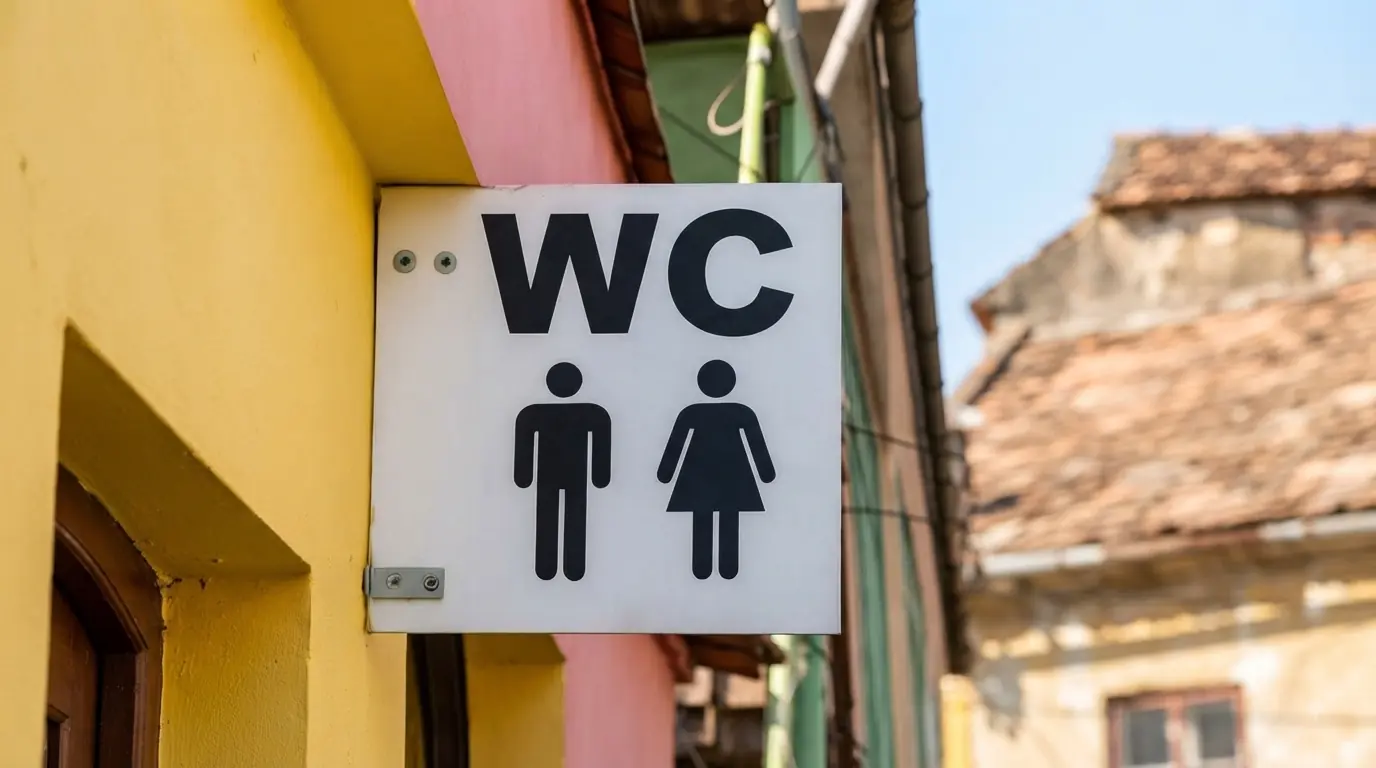
If you have ever traveled through Europe or the United Kingdom, you have almost certainly encountered the cryptic "WC" sign marking a restroom door. While the symbol is universally understood as a place to use the toilet, many people go their entire lives
Swollen legs may signal hidden health issues that need attention.
Many People Ignore This Common Ache Until a Serious Diagnosis Appears
Ackee can be dangerous when unripe, yet millions still enjoy it safely.

Left-side body pain can signal anything from minor strain to serious illness.
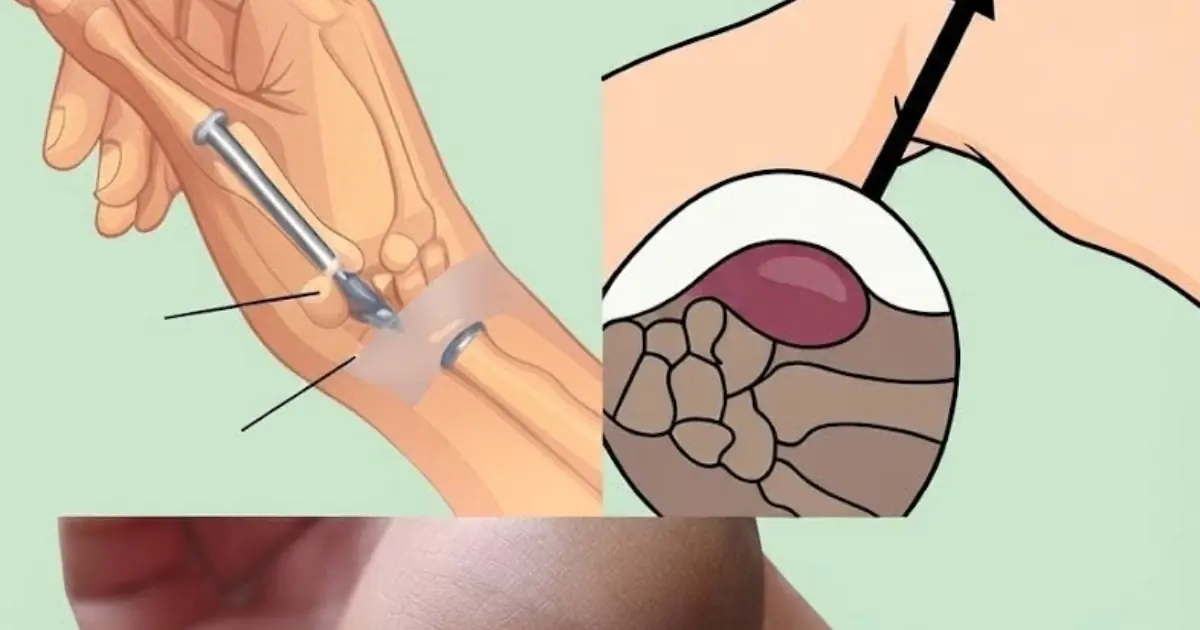
Could That Lump or Cyst Be Something Serious? Here's What You Should Know...
Could You Be Low in Magnesium? 32 Signs to Watch For...
These are the consequences of sleeping with the… See more

Looking for a Salmon Alternative? This Budget-Friendly Fish Is Packed With Protein...

Why Does Your Body Suddenly Twitch as You Fall Asleep? Here’s What It Could Mean

Recognizing subtle changes early may help protect brain health.

Subtle symptoms can sometimes signal serious pancreatic health concerns.
Farting More Than 25 Times a Day? Here's What It Could Mean
The Judge Had to Look Beyond Biology
Sometimes, scrolling through the internet feels like walking through a gallery of visual illusions.
The body often shows subtle changes as life approaches its final stage.
Your body may reveal hidden clues when sugar intake gets too high.
Persistent skin itching may be an overlooked warning of liver trouble.
The Mother at the Center of the Battle
Frequent early-morning awakenings may reveal hidden sleep concerns.
Simple daily habits after meals and before sleep may help lower stroke risk.
The Ruling That Broke Him
If you have ever traveled through Europe or the United Kingdom, you have almost certainly encountered the cryptic "WC" sign marking a restroom door. While the symbol is universally understood as a place to use the toilet, many people go their entire lives