18 Fascinating Facts About Coconut Water You May Have Never Heard Before
Drinking Coconut Water? Here Are 18 Surprising Facts You Should Know
⏱️ 1 min read 21/08/2026 09:02
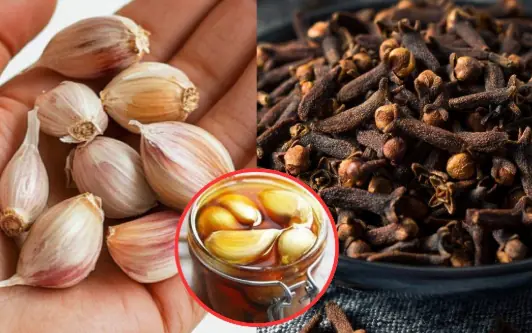
Raw garlic has been used for centuries as both a food and a traditional remedy. Its strong smell and sharp taste may not appeal to everyone, but garlic contains several natural compounds that have attracted considerable scientific interest. One of the most important is allicin, a sulfur-containing compound produced when fresh garlic is chopped, crushed, or chewed.
While garlic is not a miracle cure and cannot replace medical treatment, adding it to a balanced diet may offer several potential health benefits. From supporting cardiovascular health to providing antioxidant compounds, raw garlic can be a surprisingly powerful addition to everyday meals.
One of the most widely studied potential benefits of garlic involves the cardiovascular system. Some research suggests that regular garlic consumption may help support healthy blood pressure and cholesterol levels, particularly in people whose levels are already elevated.
Garlic contains sulfur compounds that may influence blood vessel function and other processes involved in cardiovascular health. Some studies of garlic preparations have found modest reductions in blood pressure, although results can vary depending on the preparation, amount consumed, and individual health status.
The important point is that garlic should be viewed as part of an overall heart-healthy lifestyle, rather than as a treatment by itself.
A diet rich in vegetables, fruits, whole grains, legumes, fish, nuts, and other minimally processed foods remains much more important for long-term cardiovascular health.
Fresh garlic contains a variety of biologically active compounds. When a garlic clove is crushed or chopped, an enzyme called alliinase helps convert alliin into allicin.
Allicin is responsible for much of the characteristic aroma of freshly crushed garlic. It has been studied for its antioxidant and antimicrobial properties in laboratory and clinical research.
However, allicin is relatively unstable. This is one reason preparation matters. Crushing or chopping garlic and allowing it to sit briefly before cooking may help preserve the formation of some beneficial sulfur compounds.
Cooking can change these compounds, so raw and cooked garlic are not nutritionally identical.
Garlic is often associated with immune health, and there is some evidence suggesting that garlic compounds can interact with immune processes.
Some clinical research has investigated whether garlic supplementation affects the frequency or duration of common respiratory illnesses. The evidence is not strong enough to say that eating raw garlic will prevent infections, but garlic can certainly contribute nutrients and bioactive compounds to an overall healthy diet.
Instead of thinking of garlic as an immunity "booster" that guarantees protection, it is more accurate to consider it one small component of a lifestyle that supports normal immune function.
Adequate sleep, regular physical activity, sufficient protein, fruits and vegetables, and appropriate vaccination are generally much more important factors.
Perhaps one of garlic's most fascinating characteristics is its potential antimicrobial activity.
Allicin and other sulfur compounds in garlic have demonstrated activity against certain bacteria and fungi in laboratory studies. This has contributed to garlic's long history in traditional food preservation and folk medicine.
However, laboratory findings do not automatically mean that eating garlic can treat an infection inside the human body. Garlic should never be substituted for prescribed antibiotics or other medical treatment.
Its antimicrobial properties are scientifically interesting, but the real-world effects of eating garlic are more complex.
Every day, the body produces molecules known as free radicals as part of normal metabolism. Excessive oxidative stress can contribute to cellular damage.
Garlic contains compounds with antioxidant activity, which may help the body manage oxidative stress.
Rather than relying on a single "superfood," however, it is better to consume a wide variety of colorful vegetables, fruits, herbs, nuts, seeds, and whole foods. Different foods provide different combinations of vitamins, minerals, polyphenols, and other protective compounds.
Garlic works best as one piece of a diverse diet.
Some research has explored the relationship between garlic consumption and blood sugar regulation. Certain studies suggest that garlic preparations may have modest effects on glucose and insulin-related measures, particularly in people with metabolic problems.
Still, the evidence is mixed, and eating a clove of raw garlic should not be considered a treatment for diabetes.
If someone has diabetes or takes medication that affects blood sugar, dietary changes should be discussed with a healthcare professional rather than relying on garlic alone.
Another practical advantage is that garlic can add intense flavor without requiring large amounts of salt, sugar, or heavy sauces.
A crushed garlic clove can transform vegetables, beans, soups, roasted potatoes, fish, chicken, salads, and whole-grain dishes.
This makes garlic useful not only because of its own nutritional compounds but also because it can make healthy foods more enjoyable.
Healthy eating becomes much easier to maintain when nutritious food actually tastes good.
The phrase "raw garlic" often makes it sound as though cooking destroys all of its benefits. The reality is more complicated.
Heating garlic can reduce the activity of alliinase and therefore change how much allicin is produced. At the same time, cooked garlic remains nutritious and contains other useful compounds.
For people who find raw garlic too harsh, cooked garlic is still a perfectly worthwhile food.
You do not need to force yourself to eat raw garlic every morning to benefit from including garlic in your diet.
More garlic does not necessarily mean more health benefits.
Raw garlic can cause heartburn, stomach irritation, bloating, nausea, or bad breath, especially when eaten in large amounts or on an empty stomach.
For many people, incorporating a modest amount into meals is more practical than consuming large quantities.
Those who take blood-thinning medication should also be cautious about concentrated garlic supplements because garlic may affect platelet function and bleeding risk.
Food amounts and concentrated supplements are not necessarily equivalent.
If you enjoy raw garlic, there are plenty of simple ways to use it.
Try adding finely chopped garlic to homemade salad dressing, mixing it into yogurt-based sauces, combining it with olive oil and herbs, or adding a small amount to fresh salsa.
Another option is to crush a garlic clove and let it sit for several minutes before incorporating it into food. This allows the alliinase reaction to occur before additional processing.
If raw garlic causes discomfort, simply cook it and enjoy it as part of your regular meals.
Raw garlic is an impressive food, but it is not a miracle medicine. Its sulfur compounds, including allicin, have been extensively studied for their potential antioxidant, antimicrobial, and cardiovascular effects. Research suggests that garlic may contribute to healthy blood pressure, cholesterol, metabolic function, and overall dietary quality, although the size of these effects can vary and more research is needed for many claims.
The biggest benefit may come from something much simpler: garlic makes nutritious foods more flavorful and easier to enjoy regularly.
So, rather than swallowing large amounts of raw garlic and expecting dramatic health changes, consider using it sensibly as part of a balanced eating pattern.
A healthy diet is built from many small choices—and adding a little garlic to the right foods can be one delicious choice.
Drinking Coconut Water? Here Are 18 Surprising Facts You Should Know
Trying to Lose Weight, She Ate Eggs at Every Meal for 5 Months. Her Medical Checkup Left Doctors Stunned
THE MOST POTENT HERB THAT DESTROYS PARASITES, URINARY TRACT …
What happens when you drink water first thing in the morning? The answer may surprise you.
The ONE question to ask before agreeing to a colonoscopy.
One Digestive Symptom That Deserves More Attention
Remembering a Life Lost: A Community’s Search for Justice and Hope
Drinking Coconut Water? Here Are 18 Surprising Facts You Should Know
Trying to Lose Weight, She Ate Eggs at Every Meal for 5 Months. Her Medical Checkup Left Doctors Stunned
THE MOST POTENT HERB THAT DESTROYS PARASITES, URINARY TRACT …
What happens when you drink water first thing in the morning? The answer may surprise you.
The ONE question to ask before agreeing to a colonoscopy.
One Digestive Symptom That Deserves More Attention