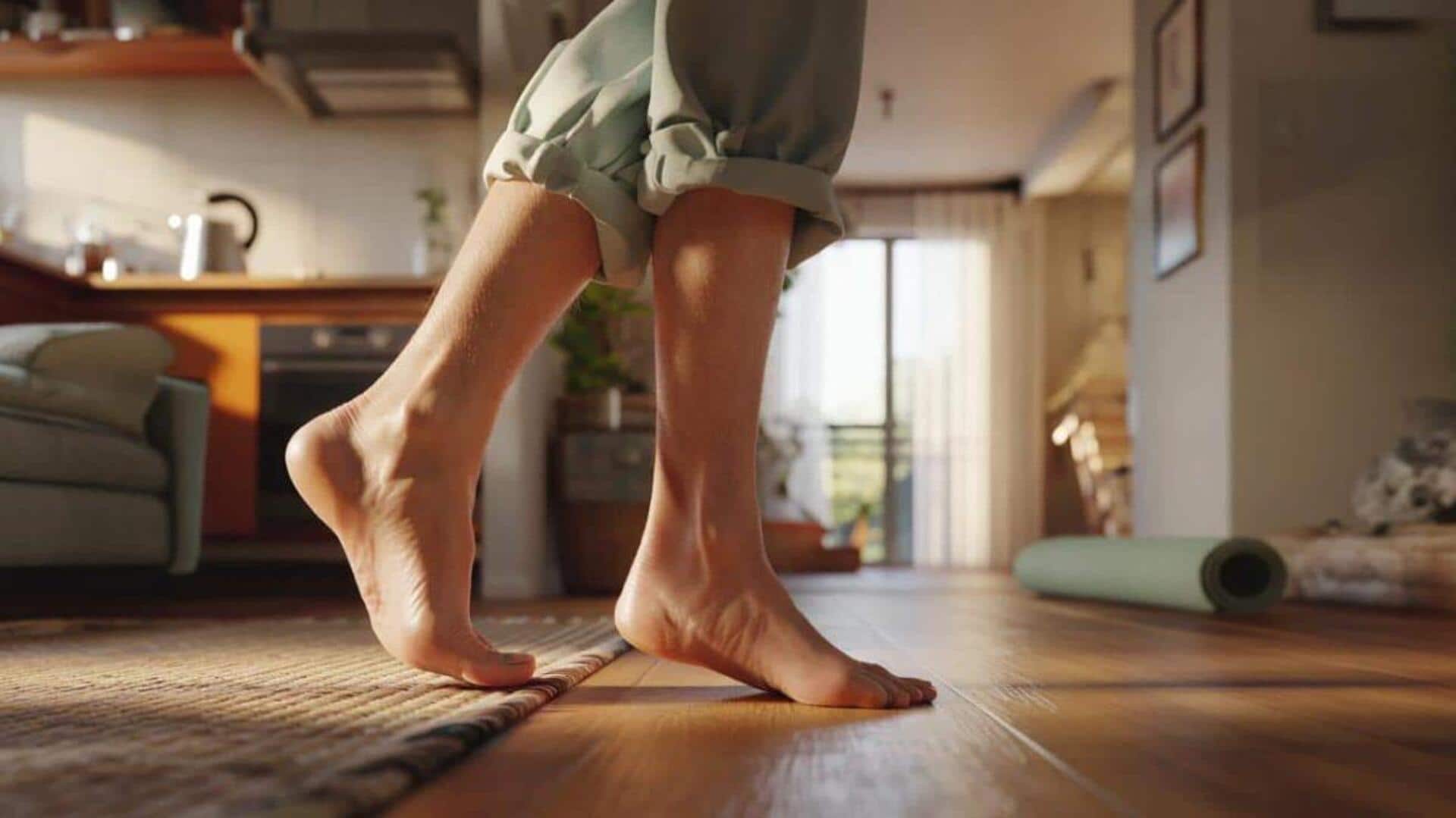
For many people, taking off shoes at home is simply about comfort. But beyond that, walking barefoot indoors may offer a range of physical and sensory benefits that are often overlooked. Your feet are complex structures made up of muscles, ligaments, and nerves and how you use them can affect your entire body.
Let’s explore why going barefoot at home might actually be beneficial, and what you should keep in mind.

1. Strengthens Foot Muscles
Modern footwear often provides cushioning and support, but it can also limit how your foot muscles work.
When you walk barefoot:
- Your foot muscles engage more actively
- The arches are naturally supported by your own strength
- Small stabilizing muscles become stronger over time
This can contribute to better foot function and reduce weakness caused by constant shoe support.
2. Improves Balance and Stability
Your feet are rich in nerve endings that provide feedback to your brain about your position and movement.
Barefoot walking enhances:
- Proprioception (your body’s awareness of position)
- Coordination and balance
- Stability during movement
This is especially important for preventing falls, particularly as people age.
3. Encourages Natural Posture
Shoes—especially those with thick soles or heels—can alter how you walk and stand.
Going barefoot may help:
- Align your posture more naturally
- Reduce strain on joints
- Promote a more even distribution of body weight
This can benefit your ankles, knees, hips, and even your lower back.
4. Reduces Foot Discomfort from Tight Shoes
Wearing tight or poorly fitted shoes for long periods can lead to issues such as:
- Foot pain
- Blisters
- Bunions or toe misalignment
Walking barefoot at home gives your feet a chance to relax and recover from daily pressure.

5. Enhances Sensory Connection
Walking barefoot allows your feet to directly interact with surfaces.
Benefits include:
- Increased sensory stimulation
- Improved awareness of movement
- A more grounded, relaxed feeling
This sensory input can contribute to both physical and mental well-being.
6. May Support Better Circulation
Moving barefoot encourages natural foot movement, which can help:
- Stimulate blood flow
- Reduce stiffness in the feet and ankles
Good circulation is important for overall mobility and comfort.
7. Promotes Relaxation
There’s also a psychological aspect to going barefoot.
Many people report:
- Feeling more relaxed at home
- Reduced tension after removing shoes
- A sense of comfort and freedom
Simple habits like this can support stress reduction.
When You Should Be Careful
While going barefoot has benefits, it’s not always appropriate in every situation.
Be cautious if:
- You have diabetes or nerve damage in the feet
- Your home has sharp objects or hard, uneven surfaces
- You experience foot pain or structural issues
In such cases, supportive footwear or medical advice may be necessary.
Tips for Safe Barefoot Walking at Home
- Keep floors clean and free of hazards
- Start gradually if you’re not used to being barefoot
- Pay attention to any discomfort or pain
- Use supportive mats if needed on hard surfaces
The Bottom Line
Going barefoot at home is more than just a comfort choice - it can support stronger feet, better balance, improved posture, and overall well-being. By allowing your feet to move naturally, you give your body a chance to function the way it was designed.
As with any habit, balance is key. When done safely and mindfully, walking barefoot at home can be a simple yet effective way to support your physical health every day.